

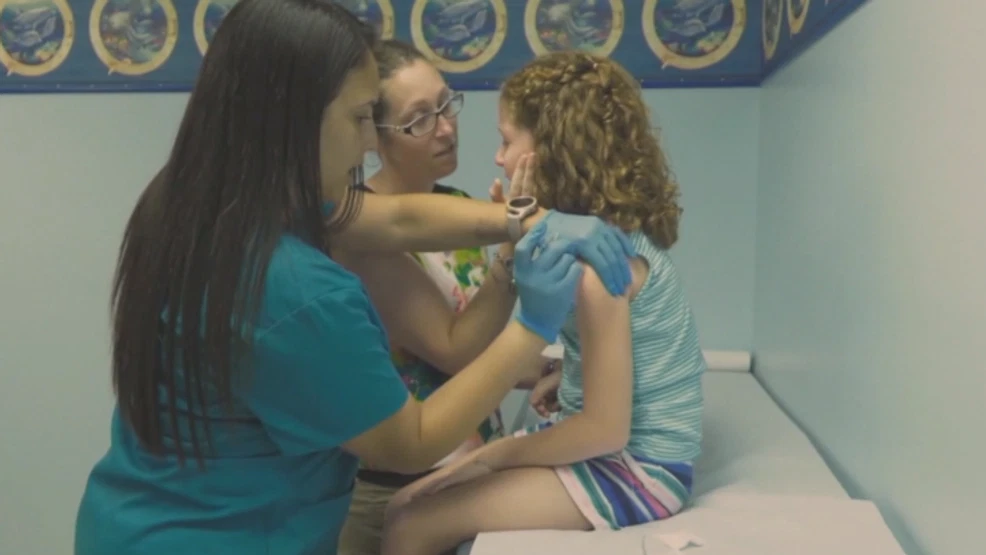
Southern California is facing a new public health challenge as a recently identified influenza variant spreads across the region, prompting warnings from health officials and renewed calls for vaccination. The emerging strain, which appears to be more transmissible than previous seasonal flu viruses, has raised concern among epidemiologists who fear it could lead to a more severe flu season.
Identification of the Variant
Local health departments, in collaboration with the Centers for Disease Control and Prevention (CDC), first identified the variant through routine flu surveillance and laboratory testing. Genetic sequencing revealed mutations in the virus’s hemagglutinin and neuraminidase proteins, which are responsible for how the virus enters human cells and triggers immune responses.
Preliminary data suggests that while existing flu vaccines may offer partial protection, the new variant could reduce overall vaccine effectiveness. Scientists emphasize that vaccination remains the most effective defense against severe illness, hospitalization, and death.
Early Impact in Southern California
Hospitals in several counties, including Los Angeles, Orange, and San Diego, have reported an uptick in flu-related visits, particularly among children, older adults, and individuals with underlying health conditions. While total cases remain manageable, the increase has prompted officials to monitor hospital capacity and supply levels of antiviral medications such as oseltamivir.
Dr. [Name], an infectious disease specialist in Los Angeles, noted, “We are seeing a pattern of faster transmission in community settings, such as schools and workplaces. It’s crucial for residents to remain vigilant, practice good hygiene, and get vaccinated if they haven’t already.”
Public Health Response
In response to the new flu variant, the California Department of Public Health (CDPH) has activated enhanced surveillance measures and issued guidance for healthcare providers to report unusual clusters of flu-like illness. Public awareness campaigns are emphasizing preventive measures, including handwashing, masking in crowded settings, and staying home when sick.
Health officials are also reviewing the current vaccine’s formulation and consulting with the CDC to determine whether adjustments are necessary for the upcoming flu season. Meanwhile, local hospitals are reinforcing infection control protocols to prevent the spread of the virus within healthcare facilities.
Concerns and Recommendations
Public health experts caution that flu variants can increase the severity and duration of flu seasons, especially if the virus spreads widely before population immunity is established. While no new vaccines are immediately available, early detection and mitigation strategies are key to minimizing impact.
Residents are advised to:
- Get vaccinated: Even partial protection can reduce the severity of illness.
- Practice hygiene: Frequent handwashing and avoiding touching the face can reduce transmission.
- Stay home when sick: Limiting exposure helps protect vulnerable populations.
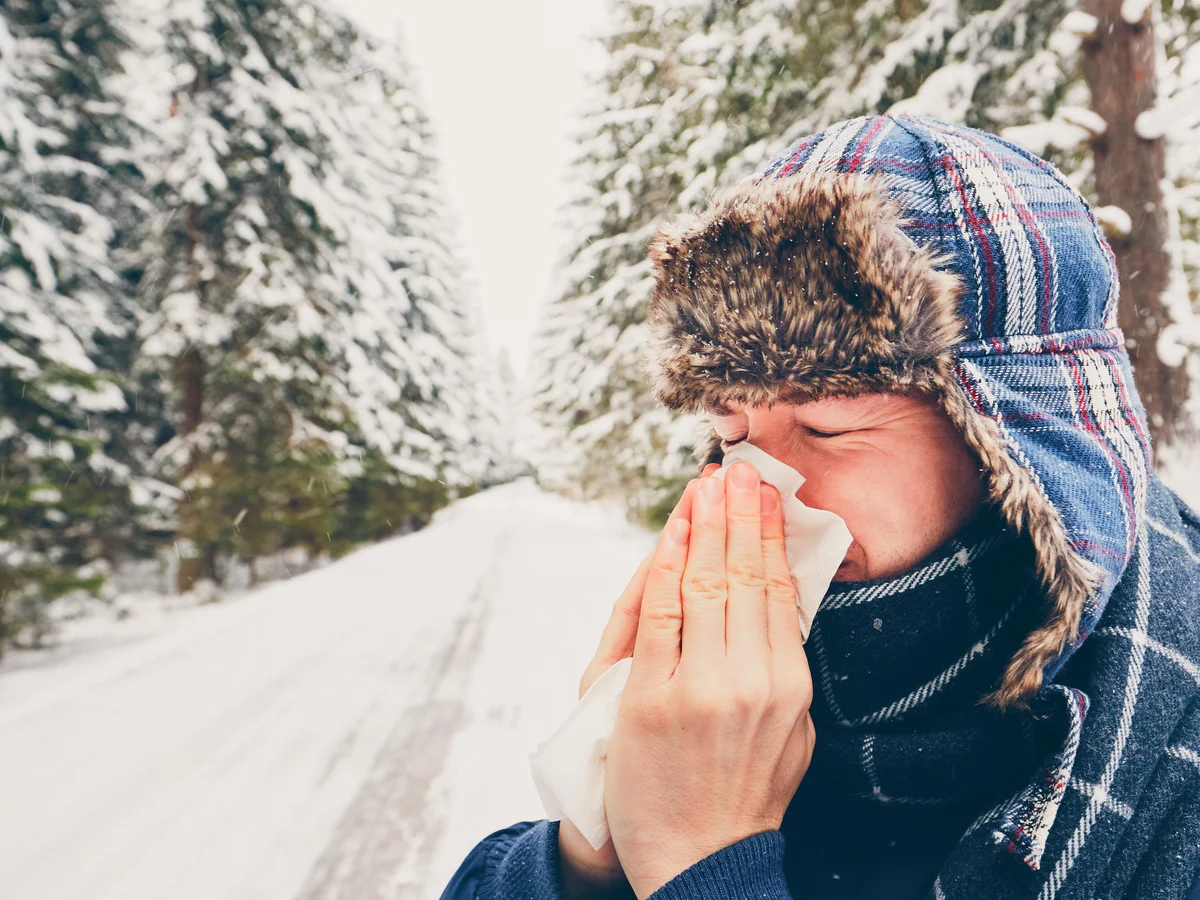
- Monitor symptoms: Seek medical care for high fever, difficulty breathing, or prolonged illness.
Broader Implications
The emergence of a new flu variant in Southern California reflects the dynamic nature of influenza viruses and underscores the importance of surveillance, vaccination, and public awareness. Experts note that influenza remains unpredictable, with the potential to cause outbreaks even outside the typical winter season.
Conclusion
As the new flu variant spreads across Southern California, health officials urge residents to take preventive measures seriously. Vaccination, proper hygiene, and prompt medical attention remain the most effective tools to curb the virus’s impact. While public health authorities continue to study the variant’s behavior, the situation serves as a reminder of the ever-present need for vigilance in the face of evolving infectious diseases.
















Leave a Reply