

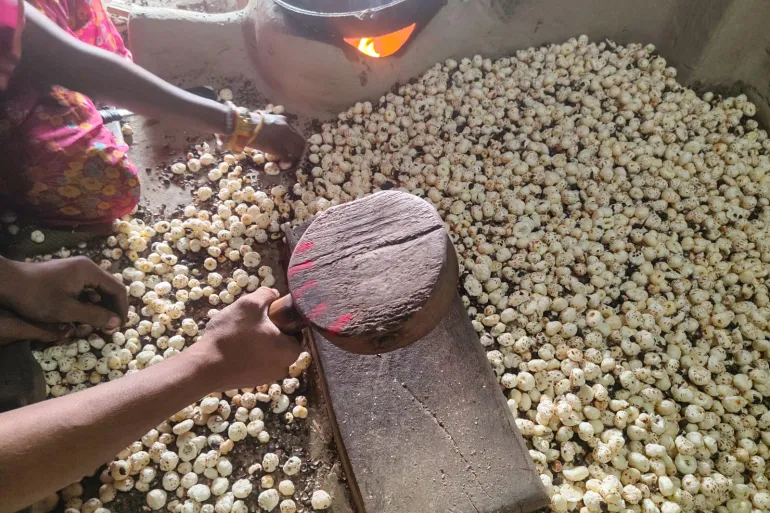
The humble Indian fox nut, also known as makhana, is gaining international attention as it looks to expand into new markets following trade disruptions caused by tariffs imposed during the Trump administration. Once a niche health snack prized for its low calories, high protein, and antioxidant content, makhana is now being marketed as a versatile “superfood” with growing global appeal.
India is the world’s largest producer of fox nuts, primarily grown in the eastern states of Bihar and Uttar Pradesh. Farmers and exporters have long viewed the United States as a key market for these nutrient-dense seeds, which are often roasted and seasoned as a crunchy snack or incorporated into health-conscious recipes. However, tariffs levied on certain Indian agricultural products disrupted the supply chain and dampened demand in the American market, forcing suppliers to rethink their strategy.
In response, exporters have shifted focus to alternative markets in Europe, the Middle East, and Southeast Asia. Countries such as Germany, the United Arab Emirates, and Singapore are witnessing a rising interest in plant-based and nutrient-rich foods, creating a receptive environment for Indian makhana. Market analysts note that consumers in these regions are increasingly drawn to snacks that combine taste with health benefits, positioning fox nuts as a compelling option.
The superfood status of makhana stems from its natural health properties. It is gluten-free, rich in protein, low in fat, and high in antioxidants, making it popular among health-conscious consumers, including vegans and fitness enthusiasts. Nutritional experts highlight its potential to aid digestion, manage cholesterol levels, and support weight management, attributes that have fueled marketing campaigns beyond India’s borders.
Indian exporters are investing in modern packaging, branding, and certification to appeal to international buyers. Organic certification and clean-label packaging are emphasized to meet the strict regulatory standards of Western markets. Some companies are also experimenting with flavored variants, such as spicy, tangy, and sweet-coated fox nuts, to align with global taste preferences.
Trade analysts argue that the diversion from the US market may ultimately benefit the industry by diversifying export destinations and reducing dependency on a single country. “While tariffs created a short-term challenge, they also forced Indian producers to innovate and explore emerging markets, which could lead to more sustainable growth in the long run,” said one industry observer.
Domestic demand remains strong as well. In India, makhana is a staple in festive and religious diets, particularly during fasting periods, and its popularity is rising among urban consumers seeking healthy snack alternatives. This dual demand, at home and abroad, provides producers with a solid foundation for expansion.
Looking ahead, Indian fox nuts are poised to carve a niche on the global superfood stage. With strategic marketing, quality assurance, and attention to international tastes, makhana could emerge as one of India’s leading health food exports, turning a challenge posed by trade barriers into an opportunity for global recognition.


















Leave a Reply