

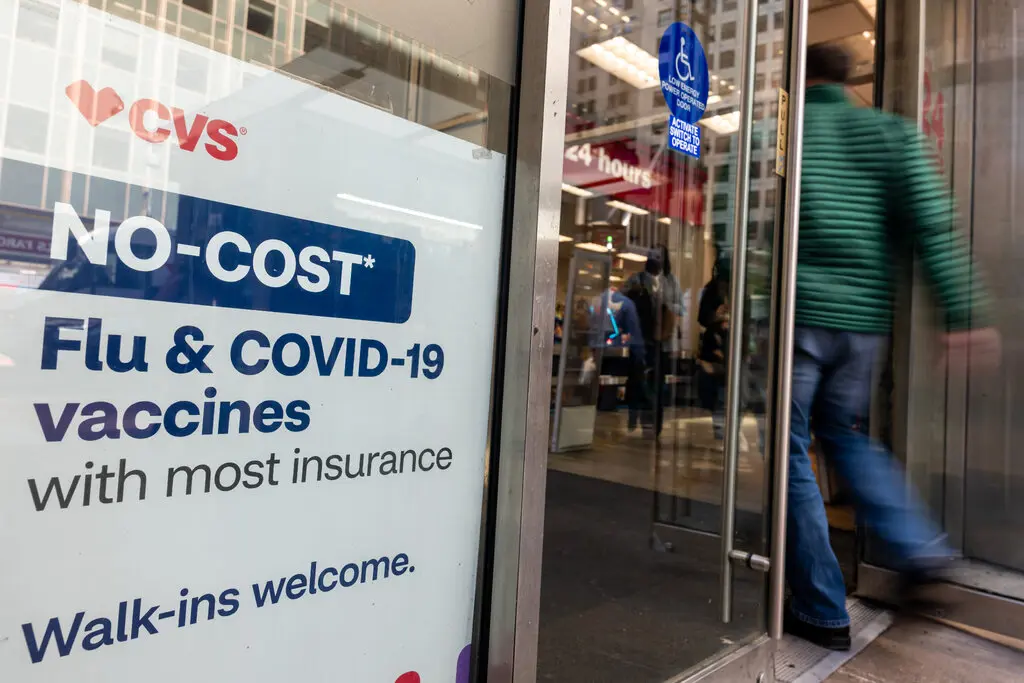
New York City is experiencing a severe flu season, with reported cases climbing to their highest levels in more than ten years. Health officials are urging residents to take precautions, highlighting the importance of vaccination, hygiene, and early treatment as hospitals and clinics see rising patient numbers.
According to the city’s Department of Health, the current influenza outbreak has seen a sharp increase in both emergency room visits and laboratory-confirmed cases. The spike is notable not only for its intensity but also for the early timing of the surge, with cases peaking earlier than in previous years. Pediatric and elderly populations appear particularly vulnerable, prompting additional attention from healthcare providers.
Epidemiologists attribute the surge to several factors. Public gatherings, colder winter temperatures, and reduced immunity from previous mild flu seasons may have contributed to higher transmission rates. Additionally, some experts suggest that variations in circulating flu strains may reduce the effectiveness of this year’s vaccines, emphasizing the need for continued vigilance.
Healthcare facilities across the city report rising demand for antiviral medications and flu-related consultations. Hospitals are implementing measures to manage patient flow, including triage systems and temporary expansions of flu clinics, to ensure that those with severe symptoms receive timely care. Public health messaging encourages individuals experiencing fever, cough, body aches, or respiratory distress to seek medical attention promptly.
Vaccination remains a key tool in mitigating the outbreak. Health authorities continue to stress that even partial protection can reduce the severity of symptoms and prevent hospitalizations. Flu shots are available at pharmacies, clinics, and public health centers, with special campaigns targeting high-risk populations, including children, the elderly, and individuals with underlying health conditions.
Experts also recommend basic preventive measures such as frequent handwashing, wearing masks in crowded indoor settings, and avoiding close contact with sick individuals. Schools, workplaces, and public venues are encouraged to reinforce hygiene protocols and allow for flexible attendance policies for symptomatic individuals.
The Department of Health is closely monitoring the situation, providing regular updates and coordinating with federal agencies to track strain patterns, vaccination coverage, and hospitalization rates. Data from previous flu seasons indicate that early intervention and public awareness campaigns can significantly reduce the overall impact of widespread outbreaks.
While the surge presents a significant public health challenge, officials emphasize that prompt action, community cooperation, and access to vaccines and antiviral treatments can help contain the outbreak. Residents are urged to remain informed, practice preventive measures, and seek medical care as needed to protect themselves and their communities.
















Leave a Reply