

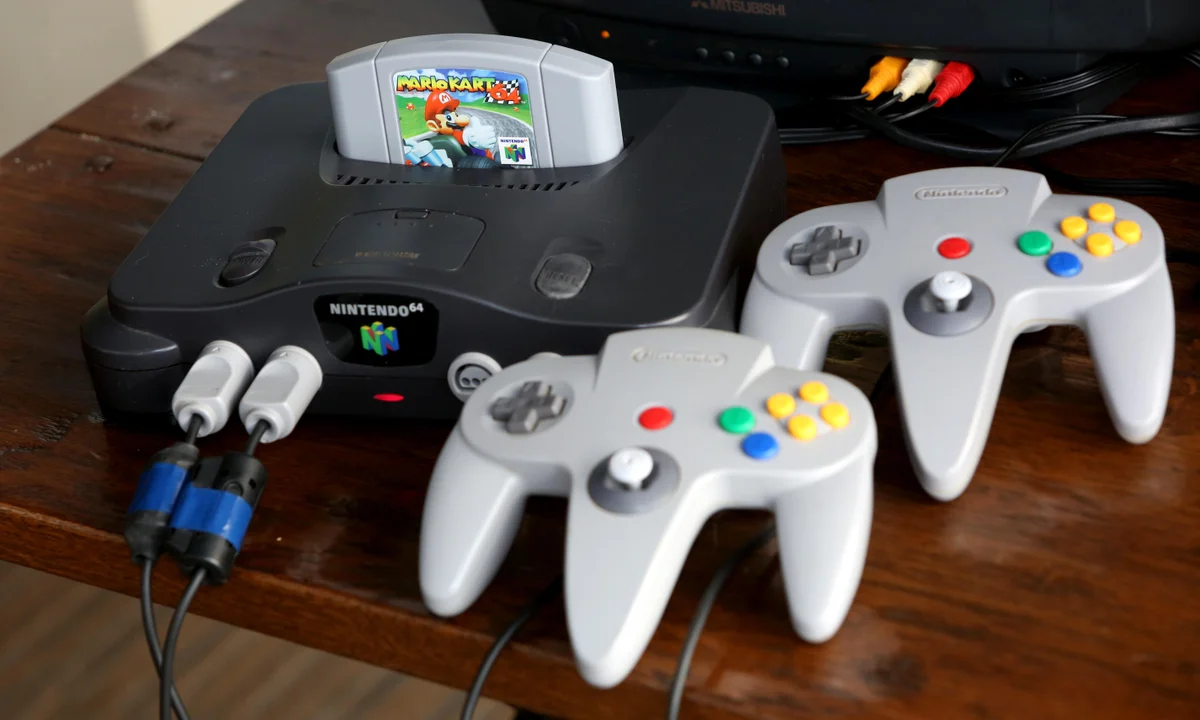
The 1990s is widely regarded as a golden era for video games, producing titles that continue to resonate with players decades later. While modern graphics and gameplay mechanics have evolved dramatically, many games from this decade have aged exceptionally well, remaining playable, engaging, and influential even in 2025. These classics are celebrated not just for nostalgia, but for the timeless quality of their design, storytelling, and gameplay.
Timeless Gameplay and Design
A key reason 1990s games remain relevant is their focus on core gameplay mechanics. Unlike some modern titles that rely heavily on hyper-realistic graphics, classic games emphasized responsive controls, inventive level design, and engaging systems that remain fun regardless of technology. For example, Super Mario World combined precise platforming with cleverly structured levels, creating an experience that feels fresh even decades later.
RPGs of the era also continue to captivate players. Titles like Chrono Trigger are celebrated for their rich narratives, memorable characters, and multiple endings, offering depth that encourages repeated playthroughs. The sprite-based visuals of these games have aged gracefully, while their storytelling and game design remain benchmarks for developers today.
Genre-Defining Titles
Many 1990s games not only aged well but also defined entire genres. Street Fighter II revolutionized fighting games with balanced mechanics and memorable characters, and its competitive design still holds up in tournaments today. Similarly, Doom helped pioneer first-person shooters with fast-paced action, intuitive controls, and level design that remains exciting for modern players.
Platformers like Sonic the Hedgehog captured audiences with speed, vibrant worlds, and catchy soundtracks. These titles have inspired countless remakes and fan projects, ensuring their continued influence across generations.
Cultural Impact and Legacy
Beyond mechanics, 1990s games left a lasting cultural imprint. Final Fantasy VII brought cinematic storytelling and complex characters to mainstream gaming, creating an emotional resonance that still attracts fans. Pokémon Red and Blue sparked a global phenomenon, making creature collection and battling a universally recognized part of gaming culture.
Even smaller titles from the decade have left lasting impressions through innovative gameplay or artistic creativity, demonstrating how the 1990s nurtured both big franchises and experimental ideas that shaped the industry.
Modern Accessibility and Preservation
The enduring popularity of 1990s games is supported by preservation efforts and re-releases. Many titles have been ported to modern systems, included in retro collections, or remastered with quality-of-life updates while keeping core gameplay intact. This makes it easier for new players to experience these classics without needing original hardware.
Remastered versions often include modern controls, improved visuals, or additional content, appealing to both longtime fans and newcomers, ensuring that these games remain accessible and enjoyable.
Why They Still Matter
Ultimately, the 1990s set a creative foundation for modern gaming. Through genre-defining innovations, memorable narratives, and satisfying gameplay loops, many games from this era demonstrate that great design transcends technological limitations. They remind us that fun, challenge, and imagination are at the heart of gaming — qualities that defined the decade and continue to resonate with players across generations.













Leave a Reply