

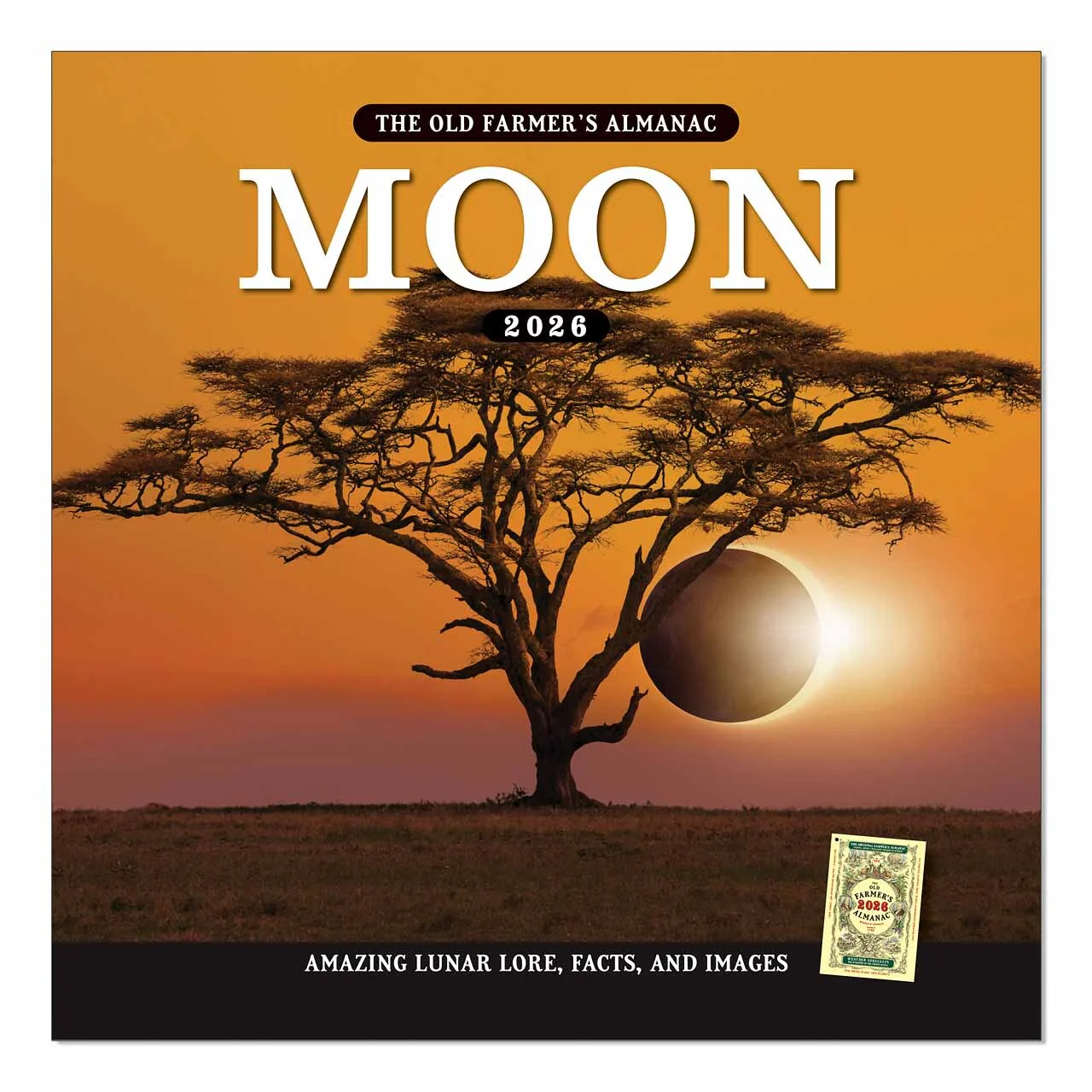
Skywatchers and night‑sky enthusiasts have much to look forward to in 2026, as the year will feature 13 full moons, including rare phenomena like a Blue Moon and several supermoons that promise unforgettable views for casual observers and dedicated astronomers alike. Unlike most years, which feature 12 full moons, 2026’s extra lunar luminary occurs because the lunar cycle’s timing lines up just right to squeeze in an additional full phase.
The lunar cycle — the Moon’s roughly 29.5‑day journey around Earth — produces a full moon each month when the Moon enters the phase where its face is fully illuminated by the Sun. In 2026, those peaks in illumination fall on a fascinating sequence of dates that offer both beauty and cultural resonance throughout the year.
A Guide to 2026’s Full Moons
The year begins with the Wolf Moon on January 3, 2026, a supermoon that rises larger and brighter than average because the Moon is near its closest point to Earth in its orbit. This celestial spectacle kicks off the year with a striking winter glow in the night sky.
February 1 brings the Snow Moon, traditionally associated with harsh winter conditions in the Northern Hemisphere. This moon will cast a serene, luminous glow over snowy landscapes.
On March 3, observers will witness the Worm Moon, which coincides with a total lunar eclipse visible over wide swaths of North America and parts of Asia and Oceania. During this night, the Moon passes fully into Earth’s shadow, taking on a reddish hue commonly referred to as a blood moon — a dramatic and rare spectacle.
April 1 welcomes the Pink Moon, signaling the arrival of spring’s first blooms and longer evenings. April’s full moon often coincides with the awakening of flowers and wildlife, making it a favorite for springtime stargazers.
Spring continues with a Flower Moon on May 1, followed by a rare Blue Moon on May 31 — the second full moon in one calendar month. Blue Moons are infrequent and are celebrated in skywatching circles for their novelty and extended monthly cadence.
As summer begins, June 29 ushers in the Strawberry Moon, named for the season of berry picking in the Northern Hemisphere. July 29 follows with the Buck Moon, a period traditionally linked to the time when young male deer grow new antlers.
August 28 brings the Sturgeon Moon, notable not only for its name but also because it coincides with a deep partial lunar eclipse. During this event, much of the lunar surface will be shadowed, creating a haunting and unforgettable sight.
September 26 marks the Harvest Moon, the full moon closest to the autumn equinox, a phase that traditionally provided farmers with bright light to extend working hours during harvest season.
Autumn continues with the Hunter’s Moon on October 26, and the Beaver Moon on November 24, which is also classified as a supermoon due to its orbital proximity and enhanced brightness. The Beaver Moon’s name reflects the time of year when fur trappers historically prepared for winter.
Closing the year in spectacular fashion, the Cold Moon on December 23 will be another supermoon, peaking especially close to Earth and making it the biggest and brightest full moon of the year. This lunar display on Christmas Eve promises breathtaking views and excellent photo opportunities for stargazers and holiday skywatchers alike.
Why These Moons Matter
Each full moon carries both astronomical and cultural significance. Many of the traditional names — such as Wolf, Harvest, and Strawberry — stem from Indigenous and rural North American traditions, where lunar illumination served as a calendar of seasons and agricultural activity. Beyond folklore, full moons are excellent opportunities for photographers, casual observers, and science educators to engage with the cosmos.
In 2026, the combination of an extra full moon, multiple supermoons, and dramatic eclipse events offers something for everyone — from families enjoying their first glance at the night sky to seasoned astronomers planning detailed observations.
Planning Your Skywatching
For best viewing, find locations with minimal light pollution, ideally on nights when the moon rises shortly after sunset. Full moons can influence tides and nocturnal wildlife behavior, and their phases are useful markers in calendars, gardening practices, and cultural celebrations. Whether you’re tracking lunar lore or simply appreciating the Moon’s radiant beauty, 2026’s lunar schedule provides a celestial timeline worth marking in any diary.









Leave a Reply