

Health authorities are warning that influenza cases are climbing rapidly and could continue to rise in the weeks following the holiday season. New surveillance data shows a steady increase in flu activity across multiple regions, prompting concerns that holiday travel and indoor gatherings have accelerated the spread of the virus at a critical point in the winter respiratory illness season.
Medical professionals explain that the period immediately after major holidays often reveals the true impact of large social gatherings. Family celebrations, parties, and long-distance travel bring people into close contact, allowing influenza to spread easily. Once individuals return to work, school, and daily routines, infections can multiply quickly, leading to noticeable spikes in reported cases one to two weeks later.
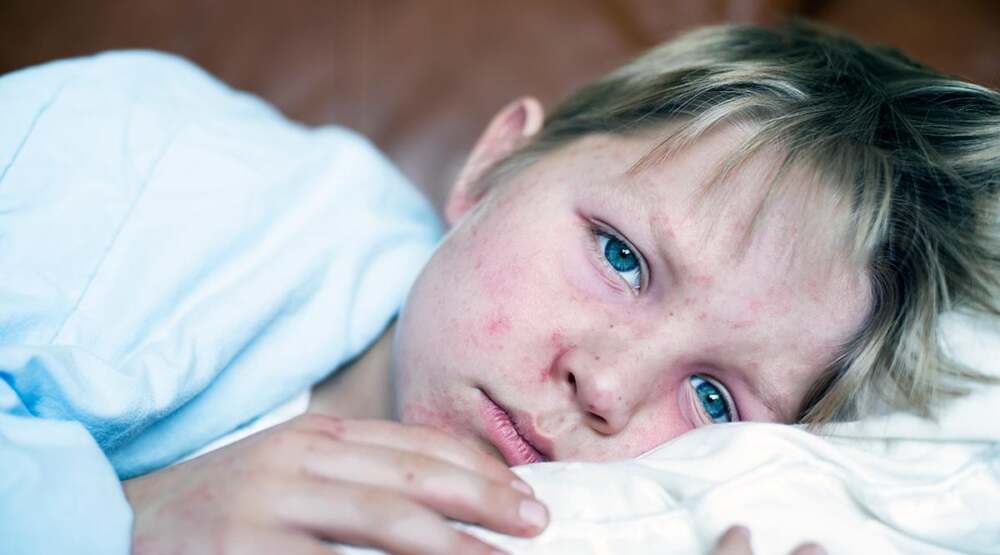
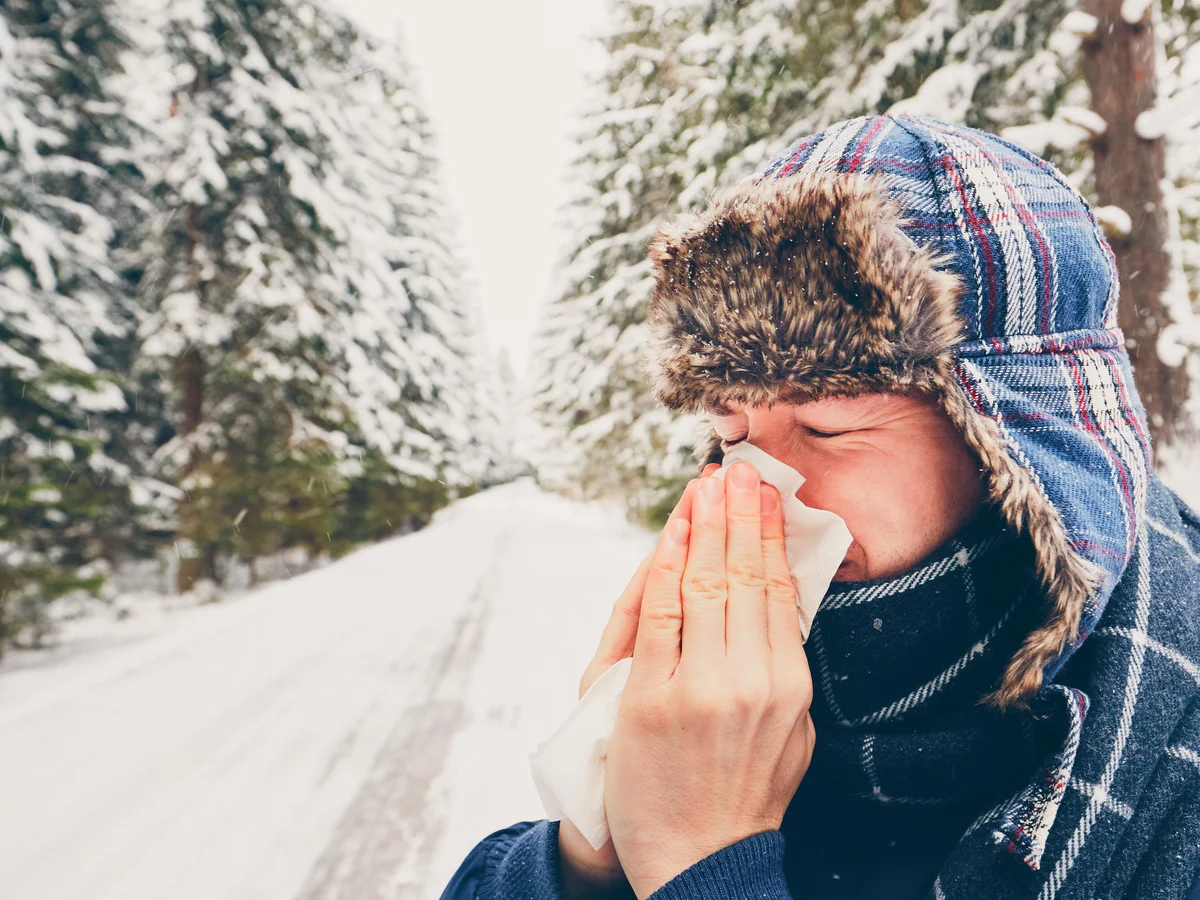
Clinics and hospitals are already reporting more patients with flu-like symptoms, including high fever, persistent cough, sore throat, body aches, headaches, and severe fatigue. In some cases, symptoms appear suddenly and intensify within hours. Doctors say this sharp onset is a key sign of influenza and distinguishes it from milder seasonal illnesses.
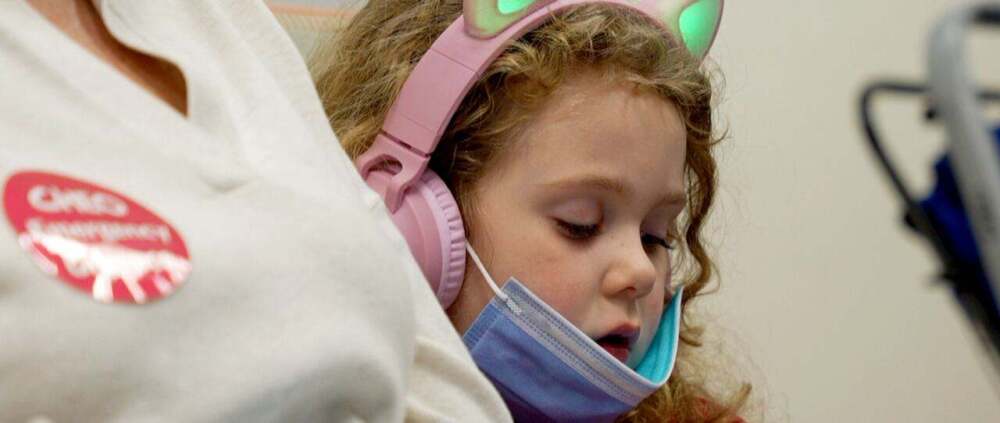
Children are playing a significant role in the current rise. Pediatric cases are increasing, particularly among school-aged children who may have been exposed during holiday activities or family visits. Health experts note that children often act as carriers, bringing the virus home and exposing parents, siblings, and older relatives. This is especially concerning for seniors and people with underlying medical conditions, who face a higher risk of complications such as pneumonia and respiratory failure.
Vaccination rates remain a major focus for health officials. While the flu vaccine does not eliminate all risk of infection, it significantly reduces the likelihood of severe illness, hospitalization, and death. Authorities emphasize that it is still worthwhile to get vaccinated, even after the holidays. Immunity develops over time, and protection later in the season can still make a meaningful difference as flu activity continues.
Doctors are also encouraging people to seek care early if they develop flu symptoms. Antiviral medications are most effective when started soon after symptoms begin and can shorten recovery time while reducing the risk of serious complications. Individuals who feel unwell are urged to stay home, rest, and avoid contact with others to prevent further spread.
Simple preventive measures remain essential. Regular handwashing, covering coughs and sneezes, cleaning frequently touched surfaces, and improving ventilation in indoor spaces can all help limit transmission. Employers and schools are being encouraged to support flexible sick policies so people do not feel pressured to attend work or class while ill.
Looking ahead, public health experts caution that flu season is far from over. Historically, influenza activity often peaks in late winter, and current trends suggest this season could remain intense. With healthcare systems already managing increased patient loads, officials stress the importance of community-wide cooperation to reduce strain on hospitals.
As influenza continues to spread, awareness and proactive action are key. By recognizing symptoms early, getting vaccinated, and practicing everyday prevention, individuals can help protect themselves and those around them during what may be one of the most challenging stretches of this flu season.















Leave a Reply