

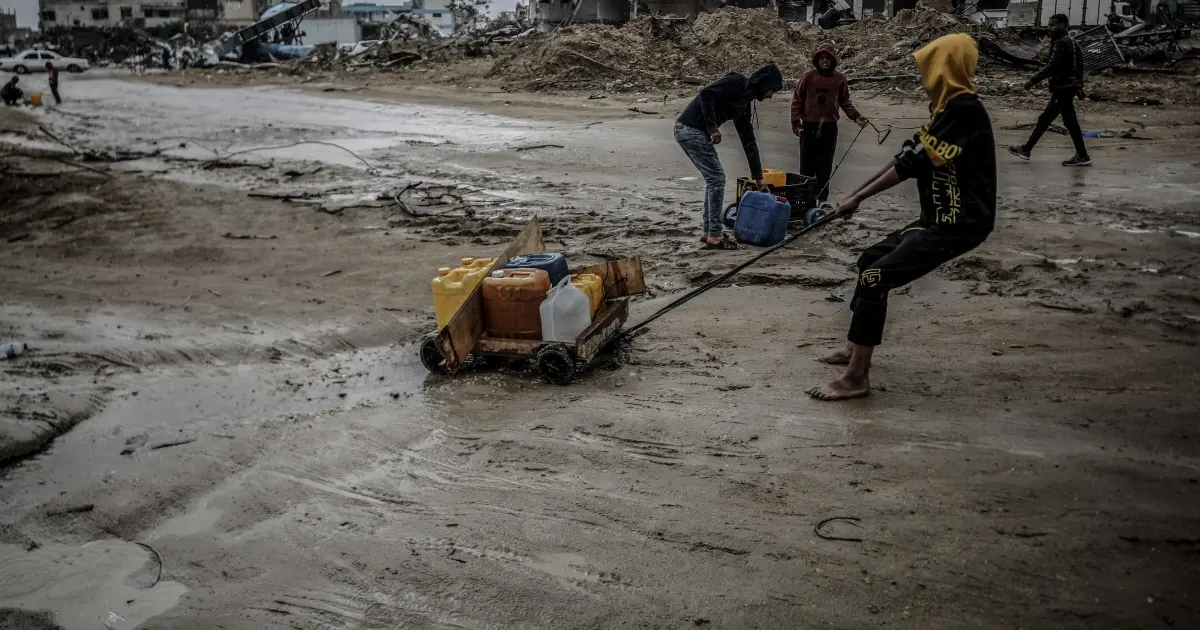
As the new year unfolds, daily life in the Gaza Strip remains dominated by insecurity, hardship, and fear, even as international diplomacy continues to push for calm. While large-scale military offensives have eased compared with previous months, violence on the ground and the deep humanitarian crisis show little sign of ending, leaving civilians trapped between fragile ceasefire understandings and ongoing military realities.
Residents across Gaza report continued Israeli military operations, including airstrikes and ground movements in several areas. These actions are often described by Israeli officials as targeted operations against militant groups, but for civilians living nearby, the impact is immediate and devastating. Explosions, gunfire, and the presence of armed forces have become part of daily life, disrupting any sense of normalcy.
One of the gravest dangers for civilians has emerged around humanitarian aid distribution. With food, water, and medical supplies in critically short supply, large crowds regularly gather at aid points. These locations, however, have increasingly turned into flashpoints. There have been multiple deadly incidents in which Palestinians seeking food or assistance were killed or injured amid chaos, gunfire, or stampedes. Families describe desperate choices: risk their lives for aid or face hunger and illness at home.
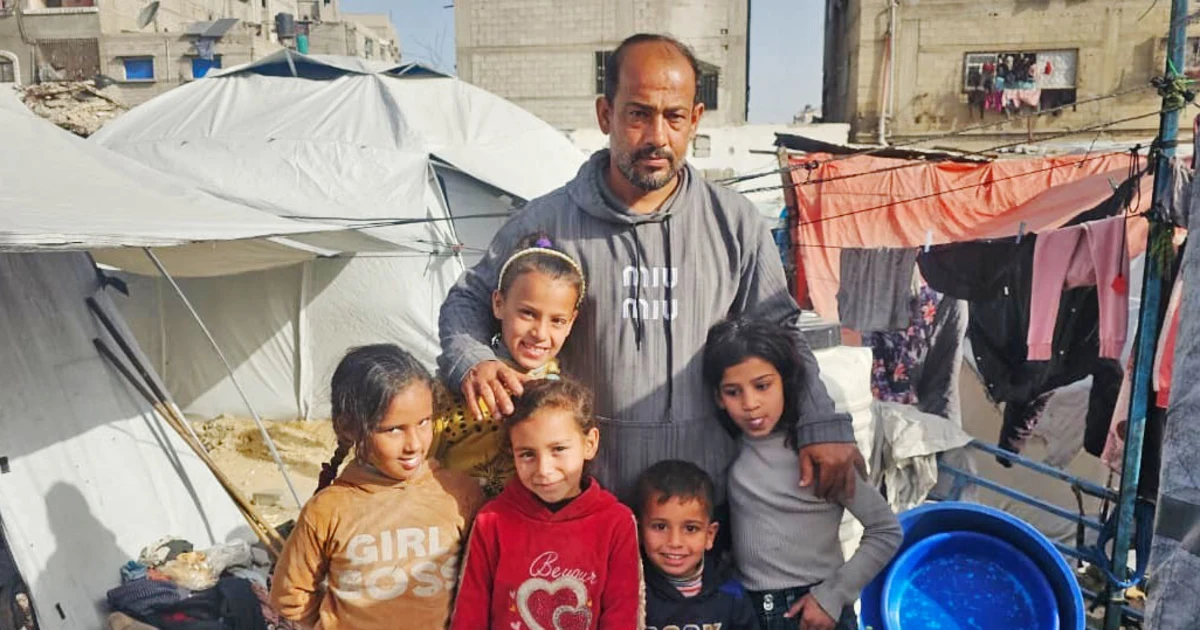
The humanitarian situation continues to deteriorate. Hospitals operate under extreme strain, struggling with shortages of fuel, medicine, and staff. Many facilities are damaged or partially nonfunctional, forcing doctors to make impossible decisions about who can be treated. Winter conditions have worsened the plight of displaced families living in tents or damaged buildings, where cold weather, poor sanitation, and limited clean water raise the risk of disease.
Children are among the most affected. Large numbers remain out of school, either because buildings have been destroyed or because families no longer feel it is safe to travel. Mental health workers warn of long-term trauma, with many young people showing signs of anxiety, fear, and emotional withdrawal after months of violence and displacement.
Israeli authorities maintain that military actions are necessary to dismantle militant networks and prevent future attacks. They argue that aid distribution must be controlled to stop supplies from falling into the hands of armed groups. Palestinian officials and humanitarian organizations, however, say that restrictions and military activity are collectively punishing civilians and worsening an already catastrophic situation.
International pressure on Israel has grown, with several governments calling for greater protection of civilians and safer access for humanitarian aid. Aid agencies emphasize that without consistent, secure delivery of food, water, and medical supplies, the risk of famine and widespread disease will increase.
Despite diplomatic efforts aimed at stabilizing the situation, peace on the ground remains fragile. Localized fighting, shifting front lines, and unclear security arrangements mean that any lull in violence can be shattered without warning. For many Gazans, the concept of a ceasefire feels distant from their lived reality.
As 2026 begins, Gaza stands at a crossroads between prolonged crisis and the possibility of recovery. Without meaningful steps to ensure civilian safety, reliable humanitarian access, and a credible political path forward, residents fear that suffering will continue to define everyday life. For now, survival—not peace—remains the central concern for millions living inside the battered enclave.









Leave a Reply