

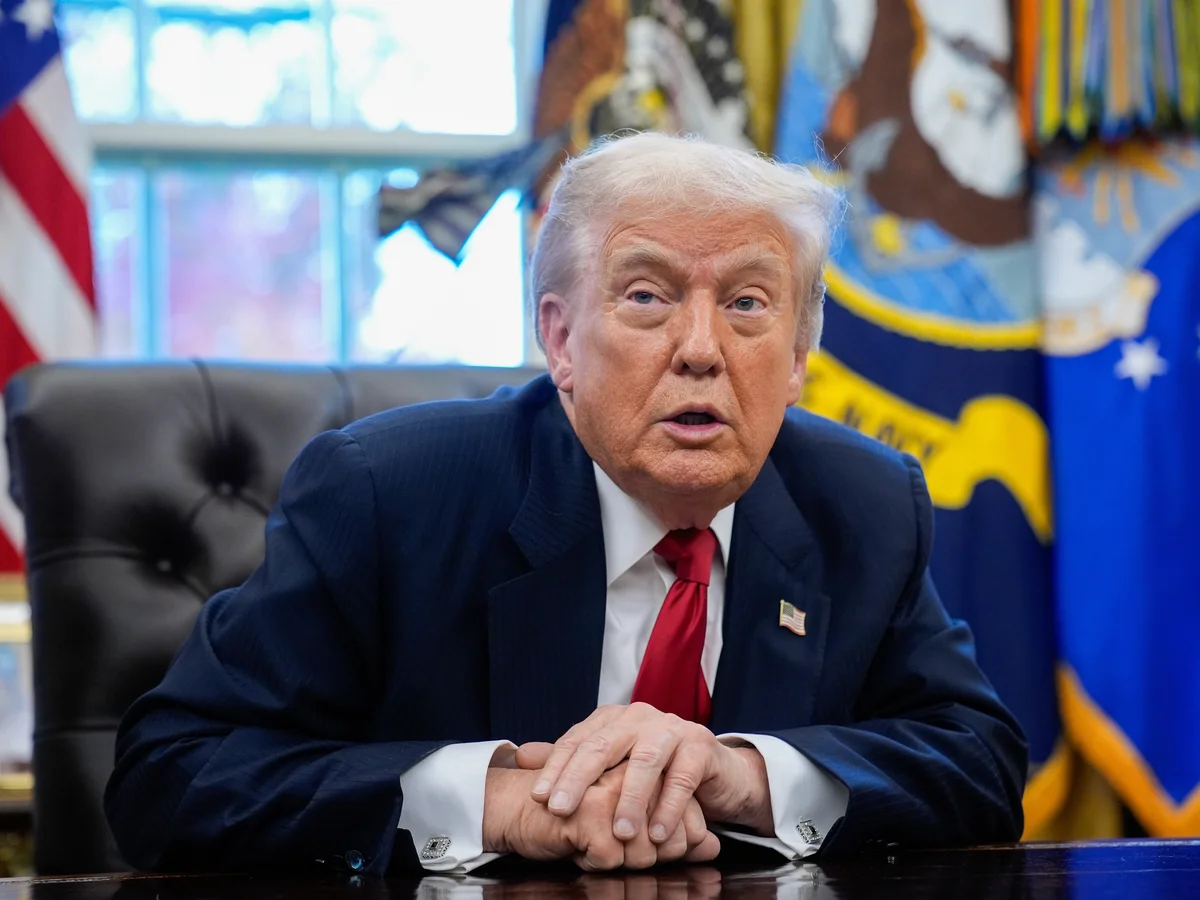
In one of the most dramatic geopolitical developments of the new year, the United States has reshaped the balance of power in the Western Hemisphere with an unprecedented military operation in Venezuela — a move that has reverberated from Washington to Moscow and sparked intense debate over global influence, sovereignty and the future of great-power competition.
Early in January, U.S. forces launched a highly coordinated strike deep inside Venezuelan territory, culminating in the capture of the country’s long-time leader. The mission, described by U.S. officials as a precision operation against a regime accused of global narcotics trafficking and corruption, also had unmistakable strategic overtones. Within hours, the former leader and his spouse were flown to the United States to face federal charges, and Washington signalled a new era of direct involvement in Venezuelan affairs — a region long considered part of the U.S. sphere of influence.
What has drawn equal attention, however, is the muted response from Russia’s president. Throughout weeks of diplomatic and military manoeuvring, Vladimir Putin has largely refrained from harsh public criticism or direct confrontation with the United States over the Venezuela episode. Analysts say this silence reflects a careful Russian calculation: at a moment when Moscow is heavily invested in another major conflict in Eastern Europe, risking escalation with Washington over a distant ally could jeopardize Kremlin goals. Putin’s restraint suggests a prioritization of broader strategic interests over regional solidarity, even when longtime partners are involved.
For years, Venezuela was one of Moscow’s few remaining footholds in the Western Hemisphere. The two countries shared deep ties, with Russia supplying military equipment, economic partnerships and energy cooperation. Caracas’s vast oil reserves — among the largest in the world — provided both symbolic and practical linkage between the governments. Yet Moscow’s current approach indicates a willingness to let that influence slip rather than trigger a direct confrontation with the United States.
In Washington, the operation has been framed as both a law enforcement action and a broader geopolitical statement. The administration has reiterated its intent to reshape Venezuela’s political landscape and exert long-term influence over its oil industry, while insisting that stability and legal accountability are paramount. At the same time, U.S. leaders have made clear that cooperation with global powers on issues like the ongoing Eastern European conflict remains a priority, implying that avoiding a larger rift with Russia serves U.S. strategic interests.
The tensions surrounding this episode extend far beyond the borders of Venezuela. They highlight a renewed era of great-power rivalry in which traditional norms of non-intervention and respect for sovereignty are being tested. The U.S.’s robust action in Venezuela has drawn criticism from regional governments, human rights organizations and international bodies concerned about precedent and legality. In contrast, some U.S. allies have cautiously welcomed the toppling of a regime widely accused of authoritarianism and corruption.
In Moscow, observers note that the Kremlin’s restraint may be a signal of a more complex reality: Russia’s global reach is constrained by economic pressures, ongoing military commitments and a desire to avoid widening the scope of confrontation with the United States. By staying quiet — and at times offering only carefully worded diplomatic statements — Putin appears to be choosing stability in his primary theaters of interest over defending distant allies whose strategic value may no longer outweigh the potential costs.
As the dust settles on this extraordinary chapter, the world is watching to see how other major powers respond. The question now is not only what happens next in Venezuela, but how this episode will shape the future of international order, great-power competition, and the rules that govern sovereign nations in an increasingly contested world stage.







Leave a Reply