

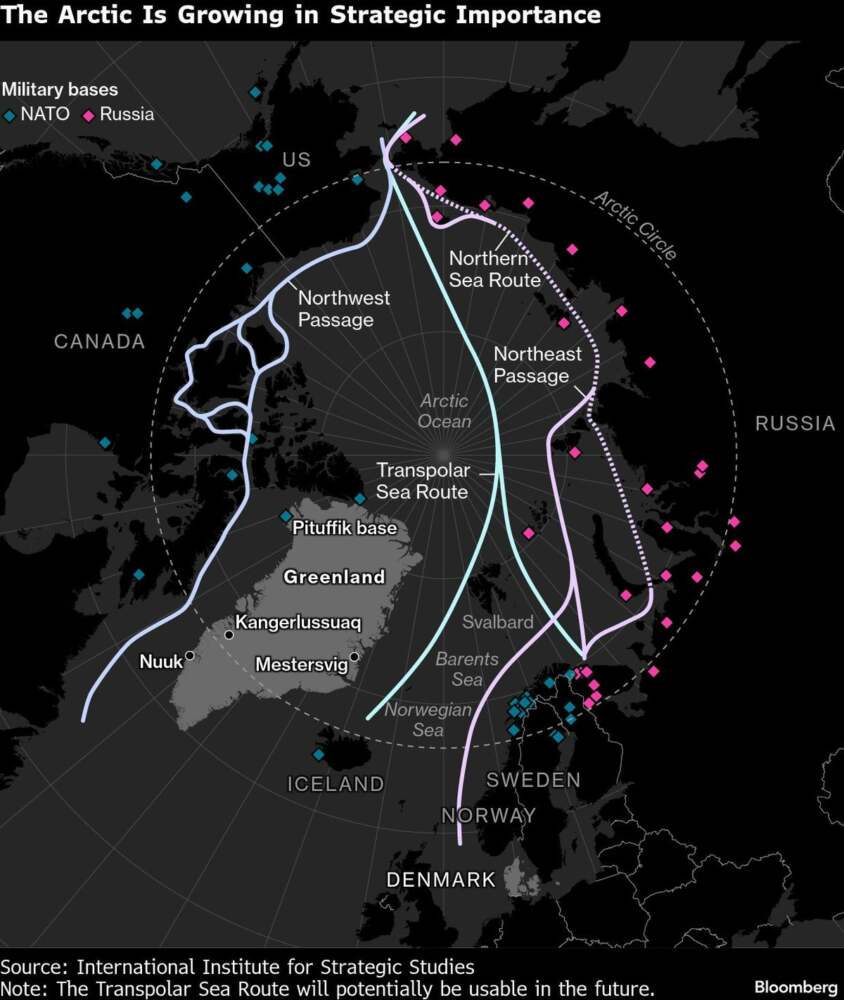
Greenland has suddenly become the most sensitive flashpoint inside the Western alliance, as renewed political pressure from Washington over control of the vast Arctic island has shaken relations between the United States, Denmark, and NATO partners. What once seemed like an outlandish idea has now evolved into a serious diplomatic crisis, forcing European leaders to openly question the stability of transatlantic unity.
A bipartisan group of U.S. lawmakers is preparing to travel to Denmark to ease tensions and reassure allies following a wave of controversial statements from former President Donald Trump and his political allies. The visit reflects concern in Congress that Washington’s aggressive rhetoric is damaging trust with one of America’s closest NATO partners and destabilizing the alliance at a time when global security threats are multiplying.
At the heart of the dispute is Greenland’s immense strategic value. The island sits between North America and Europe, controlling key air and sea routes across the Arctic. It also hosts important military infrastructure and is believed to hold large reserves of rare minerals that could become vital for future technologies and defense systems. As polar ice melts and shipping lanes open, Greenland’s importance is rising sharply, drawing interest not only from the United States but also from China and Russia.
Donald Trump has repeatedly argued that the United States must secure Greenland to protect its national security, claiming that rival powers are seeking to expand their presence in the Arctic. He has even suggested that Washington might pursue control of the island regardless of Denmark’s wishes. These remarks have alarmed European leaders, who see them as a challenge to international law and the principle that borders and sovereignty cannot be changed by force.
Greenland’s own government has responded with firm resistance. Officials in Nuuk have made it clear that the island is not for sale and will not accept foreign control under any circumstances. Greenland, while part of the Kingdom of Denmark, has a high degree of self-rule and a strong national identity. Many Greenlanders see the current crisis as a test of their right to determine their own future, free from pressure by major powers.
Denmark, meanwhile, has taken an unusually strong stance toward Washington. Its leadership has warned that any attempt to seize Greenland — especially through military means — would represent a fundamental break with NATO values. Danish officials have stressed that the alliance is built on mutual respect, not coercion, and that undermining a fellow member’s sovereignty could unravel decades of collective security cooperation.
Across Europe, concern is growing. Senior officials have cautioned that a unilateral American move against Greenland could destabilize the entire Arctic region and fracture NATO at a time when unity is already strained by conflicts elsewhere. Some European governments are quietly urging NATO leaders to take a more active role in defending Denmark and Greenland diplomatically, rather than allowing the crisis to deepen.
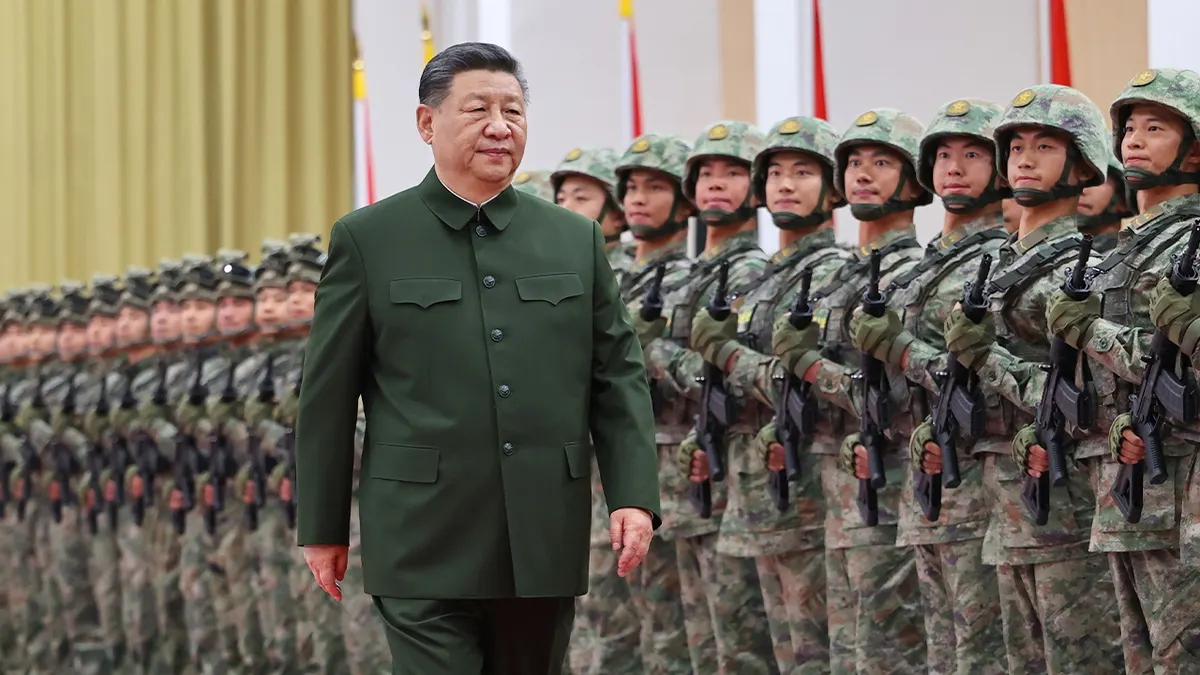
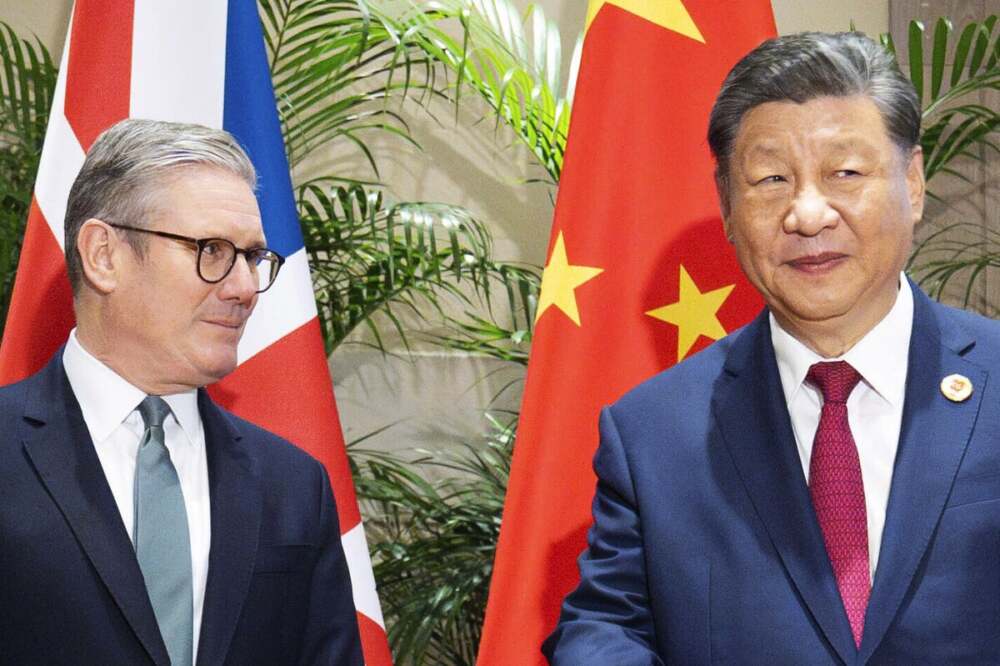
China has also entered the debate, criticizing the idea that Greenland could be used as a bargaining chip in great-power competition. Beijing argues that Arctic affairs should be governed by international rules and cooperation, not threats or pressure aimed at smaller nations.
As U.S. lawmakers head to Copenhagen, the goal is to prevent a dangerous slide toward confrontation between allies. Whether diplomacy can defuse the crisis remains uncertain, but one thing is clear: Greenland is no longer just a remote Arctic territory. It has become a symbol of how shifting global power, resource competition, and national ambition are testing the very foundations of the Western alliance.











Leave a Reply