

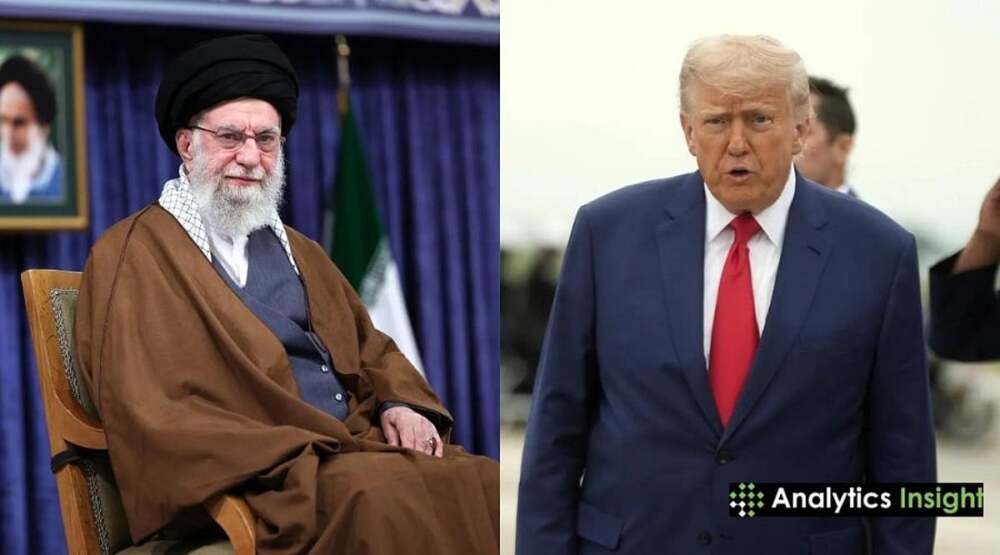
A new and unusual front has opened in the confrontation between the United States and Iran, as President Donald Trump signals plans to work with technology billionaire Elon Musk to restore internet access for Iranians cut off from the outside world. The move comes as Iran’s government has imposed sweeping communications restrictions amid growing protests, drawing international concern over censorship and human rights.
Iran has been rocked by widespread demonstrations driven by economic hardship, political frustration, and anger at government policies. As crowds gathered in major cities and smaller towns alike, authorities responded by sharply limiting mobile data and blocking large portions of the internet. The goal, according to officials, was to prevent protesters from organizing and sharing information. In practice, the shutdown has isolated millions of Iranians from news, family, and global communication.
Trump has described the blackout as an attack on basic freedoms and has suggested that the United States should help Iranians regain their voice. To do so, he has proposed reaching out to Elon Musk, whose company operates a satellite-based internet service capable of delivering connectivity without relying on local telecommunications networks. This system has been used in other crisis zones to keep lines of communication open when traditional infrastructure fails or is deliberately disabled.
The idea of using satellite internet to bypass government controls highlights how technology is increasingly shaping global politics. In the past, restoring communications during unrest required diplomatic negotiations or physical intervention. Today, private companies with advanced space-based networks can potentially provide direct access to information across borders, changing the balance between governments and their citizens.
For Iran’s leadership, such a move would be deeply controversial. Officials in Tehran view foreign-backed communication tools as threats to national security and have long warned against what they see as digital interference. Allowing an outside power to beam uncensored internet into the country would undermine the state’s control over information and could energize protest movements that rely on online platforms to coordinate and spread their message.
The proposal also reflects a complicated relationship between Trump and Musk. Although the two have had periods of disagreement, they have increasingly found common ground on issues involving free speech, technology, and global influence. Trump’s willingness to turn to a private entrepreneur rather than a traditional diplomatic channel underscores how the lines between politics and technology are blurring.
Supporters of the plan argue that internet access is no longer a luxury but a basic right, especially during moments of crisis. They say that giving Iranians a way to communicate freely could protect activists, allow independent reporting, and reduce the risk of violent crackdowns by shining a global spotlight on events inside the country.
Critics, however, warn that the move could escalate tensions between Washington and Tehran, potentially provoking retaliation or further crackdowns. They argue that while the goal of supporting civil liberties is laudable, using technology as a geopolitical tool carries risks that could ripple far beyond Iran.
As Trump and Musk prepare for possible talks, the world is watching to see whether satellite technology will become a new instrument of diplomacy and dissent. If successful, the effort could mark a turning point in how authoritarian information controls are challenged in the digital age.












Leave a Reply