

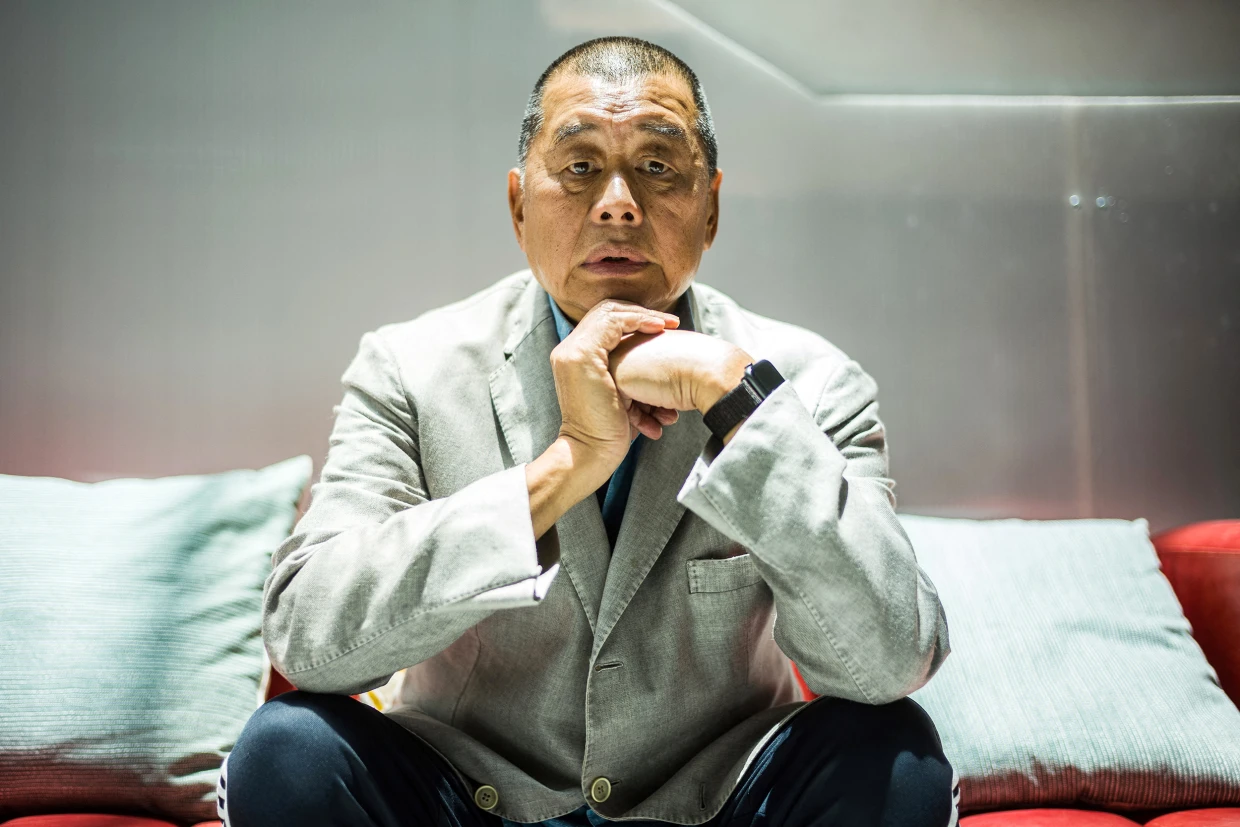
Hong Kong is poised for a landmark sentencing in the case of Jimmy Lai, the 78-year-old pro-democracy media mogul and founder of Apple Daily, as the court concludes mitigation hearings in his national security trial. Lai’s case has become a symbol of the city’s shrinking space for independent journalism and political dissent, and observers anticipate a potentially severe sentence that could extend for the remainder of his life.
Lai was convicted in late 2025 of conspiracy to collude with foreign forces and to publish seditious material, under the controversial national security law imposed in 2020. The law, introduced after the 2019 pro-democracy protests, has been used to prosecute activists, journalists, and opposition figures, drawing widespread concern over Hong Kong’s civil liberties.
During mitigation proceedings, Lai’s lawyers urged the court for leniency, highlighting his advanced age, chronic health conditions, and long periods of solitary confinement. Lai suffers from hypertension, diabetes, and cataracts, and has spent over 1,800 days in maximum-security detention. His legal team argued that continued incarceration would significantly worsen his health and quality of life.
Prosecutors countered these claims, citing medical reports that suggest Lai’s health remains relatively stable. They emphasized the severity of his crimes, describing Lai as the orchestrator of a conspiracy aimed at soliciting foreign intervention in Hong Kong’s internal affairs. Prosecutors argued that a stern sentence is warranted under the national security law to deter similar activities.
Several former executives of Apple Daily, who previously pleaded guilty to related charges, also appeared in court seeking reduced sentences. They cited cooperation with authorities and lesser roles in operations as grounds for leniency. Judges have not yet announced a final sentence, leaving Lai’s fate uncertain.
The trial has drawn international attention and criticism, with human rights organizations and foreign governments warning that the charges could criminalize legitimate journalistic and political activity. Advocates argue that the vague language of “collusion with foreign forces” effectively penalizes reporting and advocacy that involve international engagement.
Supporters of Lai regard him as a steadfast symbol of resistance to shrinking freedoms in Hong Kong. Apple Daily, once a major pro-democracy outlet, was forced to shut down in 2021 following raids, asset freezes, and arrests. Journalists now operate in an environment of pervasive self-censorship and fear of prosecution.
From the government’s perspective, officials maintain that the national security law is essential to maintaining stability and protecting against external threats. They insist the charges against Lai are grounded in legal violations rather than political repression.
As the court prepares to announce its decision, the outcome will have ramifications far beyond Jimmy Lai himself. It is widely seen as a barometer of Hong Kong’s legal trajectory under the national security law and a stark reflection of the city’s diminishing press freedoms. A life sentence or extended prison term would underscore the law’s broad reach and reinforce international scrutiny of Hong Kong’s justice system.












Leave a Reply