


Israel has taken the controversial step of revoking the operating licences of dozens of international humanitarian organisations in Gaza and the occupied West Bank, triggering widespread concern over the potential collapse of essential services in the region. The decision, affecting dozens of prominent aid agencies, is expected to significantly reduce the delivery of food, medical care, and other life-saving support to civilians already facing severe hardship.
Authorities have cited non-compliance with new registration and security requirements as the reason for the revocations. Organisations were asked to provide detailed information about their staff, funding, and operational structures. Critics, however, argue that the regulations are overly broad, politically motivated, and undermine the neutrality required for effective humanitarian work.
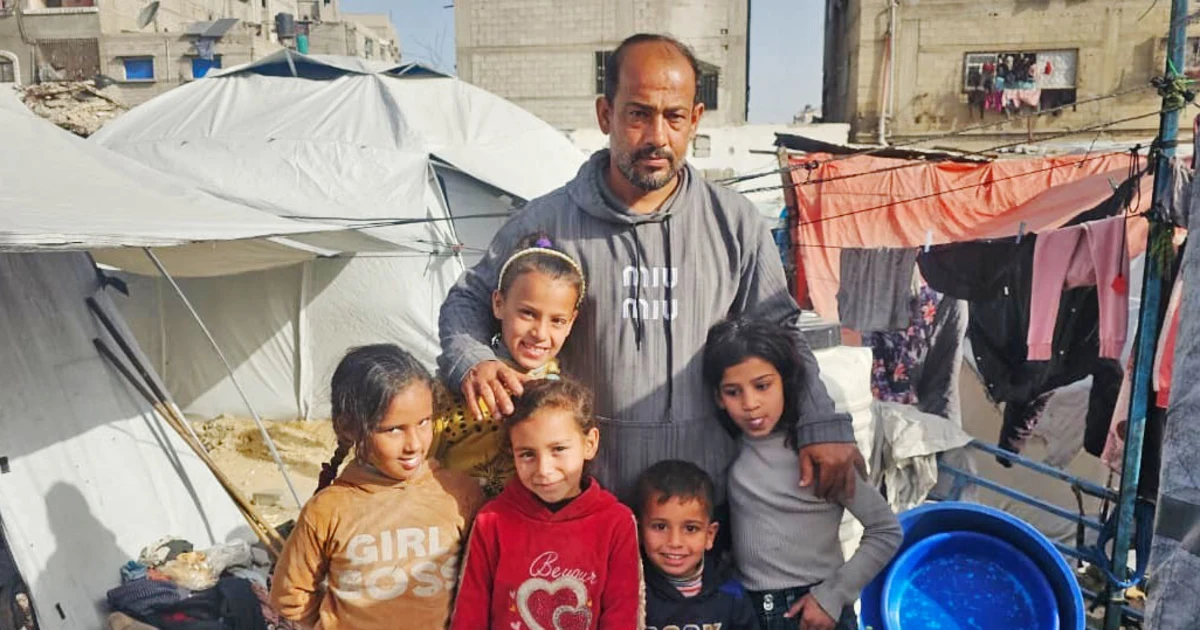
Among the affected organisations are groups providing critical services such as emergency medical care, child nutrition programs, shelter, clean water, and mental health support. Local partners in Gaza warn that the sudden removal of international aid could lead to hospitals struggling to operate, disruptions in food and water distribution, and a worsening of the humanitarian crisis, particularly during the winter months.
The Israeli government has defended the move as a necessary measure to ensure national security and prevent misuse of aid channels. Officials emphasized that assistance is still welcomed if organisations meet the new transparency and compliance standards. Alternative channels for aid, including UN agencies, are expected to continue operations, but critics argue that these measures are insufficient to meet the population’s needs.
International reactions have been swift and critical. Governments from Europe and other regions have expressed concern that restricting aid groups could breach international humanitarian law and worsen conditions for civilians. Humanitarian leaders argue that the move sets a dangerous precedent, potentially politicizing relief work and putting vulnerable populations at greater risk.
Palestinian staff working with the suspended organisations have also voiced concerns for their safety and job security. Many fear that sharing sensitive personal data with authorities could expose them to legal or political retaliation, further complicating aid delivery and reducing local capacity to respond to the crisis.
The suspension of aid agencies has sparked urgent calls for diplomatic engagement to reverse the decision or ensure that civilians continue to receive essential support. With food insecurity, inadequate medical services, and unstable shelter already affecting millions, the decision threatens to deepen an already critical humanitarian emergency.










Leave a Reply