

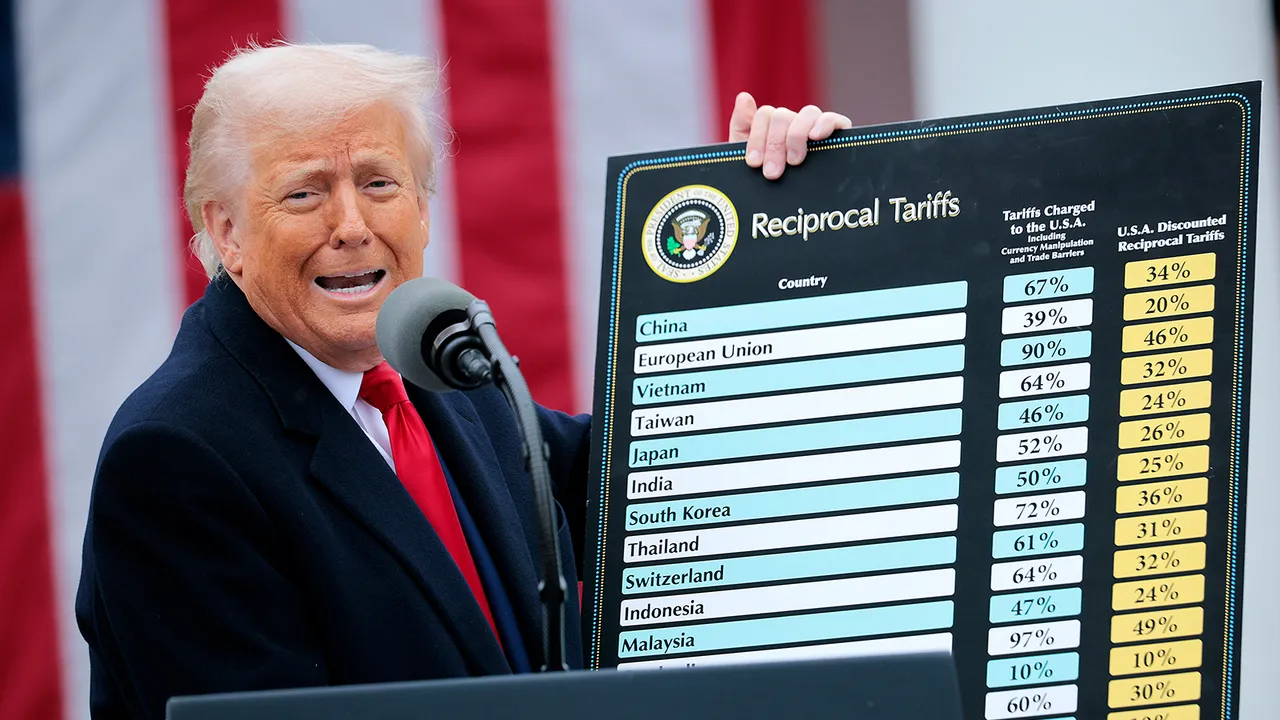
The global trade debate over electric vehicles has entered a new phase as former U.S. President Donald Trump’s tough tariff policy on China faces mounting pressure from changing international dynamics. With China now dominating the global electric vehicle (EV) supply chain, questions are growing over whether Washington’s protectionist approach can withstand economic realities, allied policy shifts, and consumer demand for affordable clean transportation.
Trump’s trade strategy has long centered on imposing heavy tariffs on Chinese goods, particularly in strategic industries such as automobiles, batteries, and advanced manufacturing. Chinese-made electric vehicles have been subject to exceptionally high import duties, effectively keeping them out of the U.S. market. Supporters of the policy argue that these tariffs protect American automakers, preserve domestic jobs, and counter what they describe as unfair Chinese government subsidies.
However, the global EV market has evolved rapidly. Chinese manufacturers have achieved large-scale production, lower costs, and faster innovation, allowing them to sell electric vehicles at prices far below those of many Western competitors. As EV adoption accelerates worldwide, the absence of Chinese brands in the U.S. market is becoming more noticeable, especially as American consumers continue to face high prices for electric cars.
Complicating the situation further is the growing divergence between U.S. trade policy and the strategies of some allies. Several countries are exploring ways to engage with Chinese EV producers, either through limited market access, joint ventures, or supply chain partnerships. These moves highlight a pragmatic shift focused on affordability, climate goals, and securing access to critical battery technologies. For Washington, this raises concerns that strict U.S. tariffs could leave American consumers and manufacturers at a competitive disadvantage.
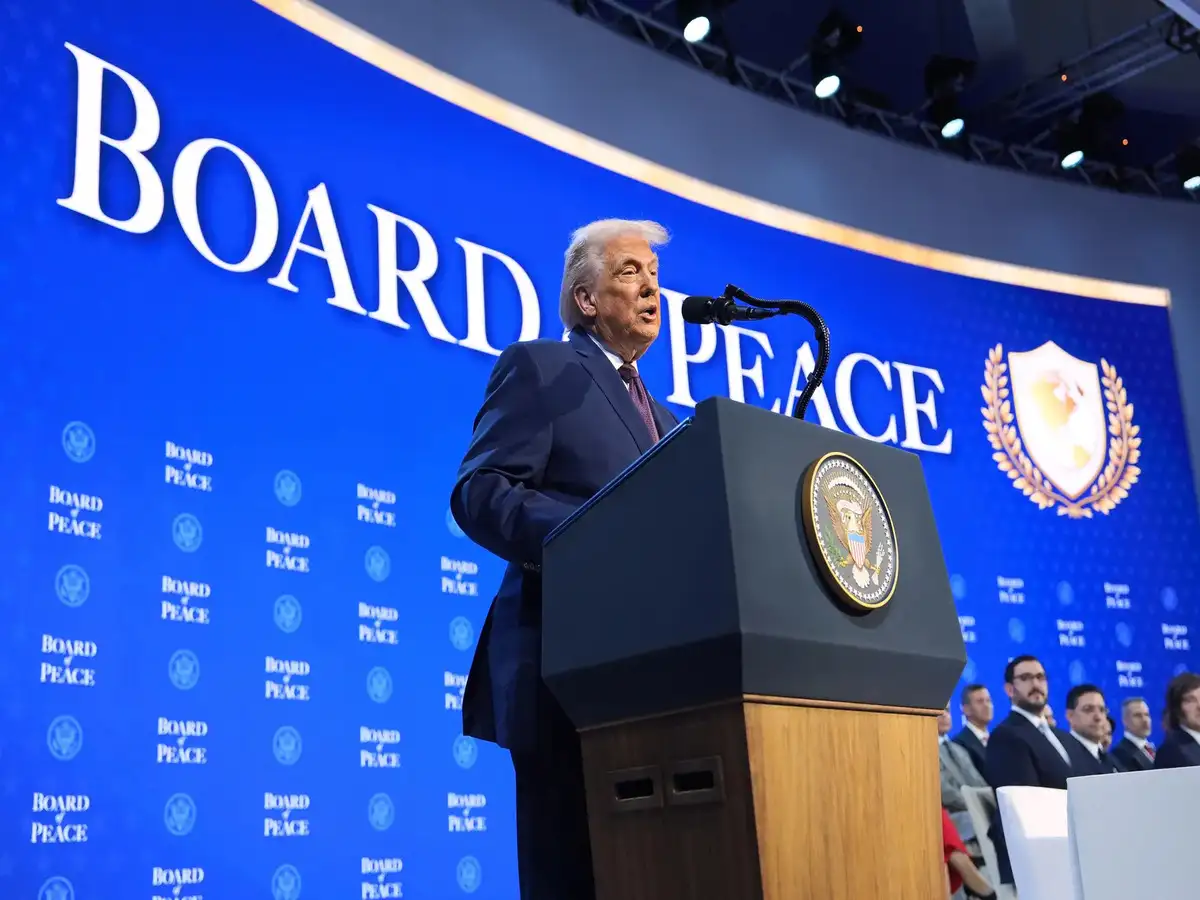
Trump has defended his approach by emphasizing economic security and national resilience. He argues that allowing low-cost Chinese EVs into the U.S. market would weaken domestic production just as the country is investing billions to rebuild manufacturing capacity. From this perspective, tariffs are seen not as barriers to progress, but as tools to give U.S. companies time to scale up and compete on more equal footing.
Critics, however, warn that prolonged isolation from the world’s largest EV producers could slow innovation and limit consumer choice. They also point out that tariffs alone do not solve underlying challenges such as high production costs, charging infrastructure gaps, and supply chain bottlenecks in the United States. Without broader industrial reforms, tariffs risk becoming a costly shield rather than a pathway to competitiveness.
The EV trade debate is also deeply political. As Trump continues to shape the Republican Party’s economic platform, tariffs on China remain a symbol of his “America First” agenda. At the same time, business leaders and trade experts are increasingly calling for a more flexible strategy that balances protection with selective engagement, particularly in fast-moving sectors like clean energy and electric mobility.
As 2026 unfolds, Trump’s China tariff policy stands at a crossroads. The choices made now will influence not only U.S.–China relations, but also the future of the American auto industry and the country’s role in the global transition to electric transportation.











Leave a Reply