

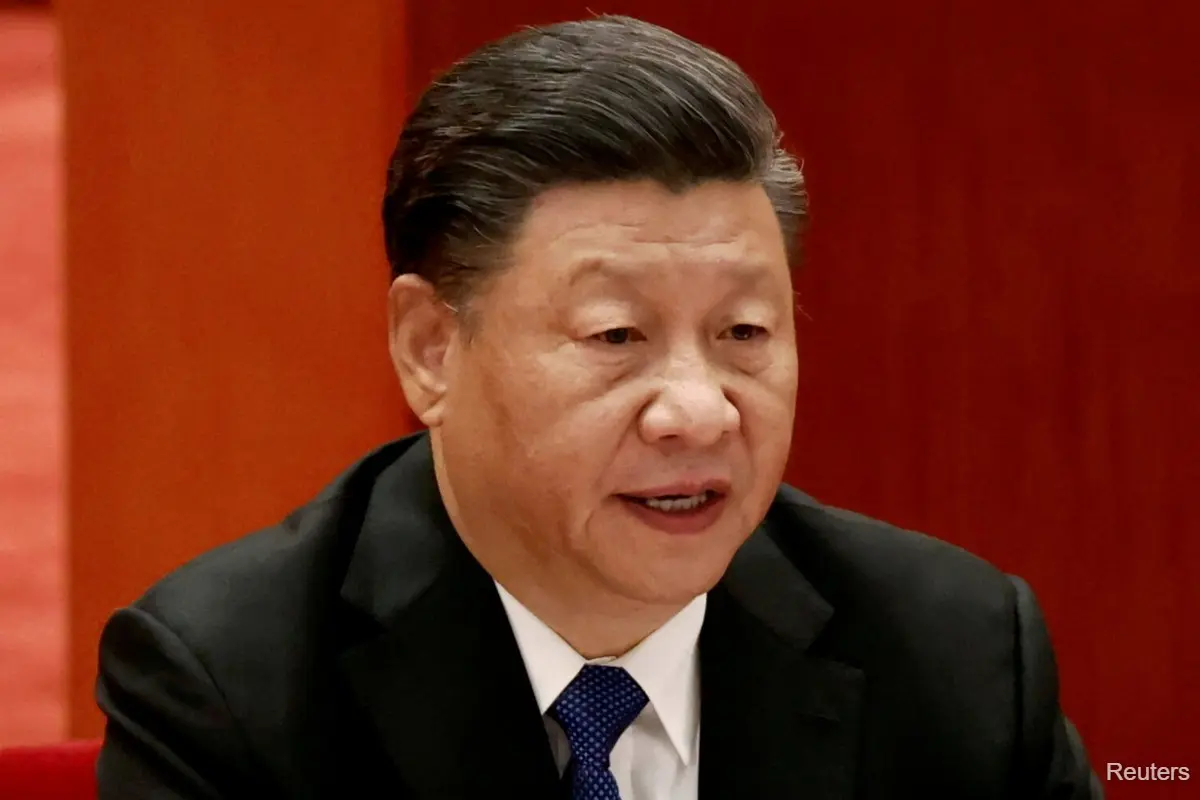
China’s anti‑corruption and political discipline campaign under President Xi Jinping reached unprecedented levels in 2025, with authorities disciplining nearly one million officials and party members. The campaign, a hallmark of Xi’s leadership, now emphasizes not only rooting out corruption but also reinforcing political loyalty and ensuring that officials at all levels faithfully implement central government directives.
According to official figures, 983,000 individuals were disciplined last year, representing a significant increase from the previous year. While the campaign continues to target bribery and financial misconduct, it has broadened to address policy inaction, mismanagement, and failures to align with the Party’s strategic goals. By combining anti-graft measures with enforcement of political discipline, the leadership aims to strengthen governance efficiency and maintain party cohesion.
Scope of the Campaign
The Central Commission for Discipline Inspection and the National Supervisory Commission oversaw investigations across multiple sectors, including finance, energy, education, and state-owned enterprises. High-ranking officials were not exempt: 115 senior officials at provincial or ministerial levels faced formal investigations, a rise from the previous year, highlighting that even the upper echelons of power are subject to scrutiny.
In addition to corruption, thousands of officials faced disciplinary action for bureaucratic missteps such as negligence, policy inaction, or reckless decision-making. These measures reflect Xi Jinping’s emphasis on aligning local and regional authorities with national priorities and ensuring that Party policies are implemented without deviation.
Political Loyalty and Party Conduct
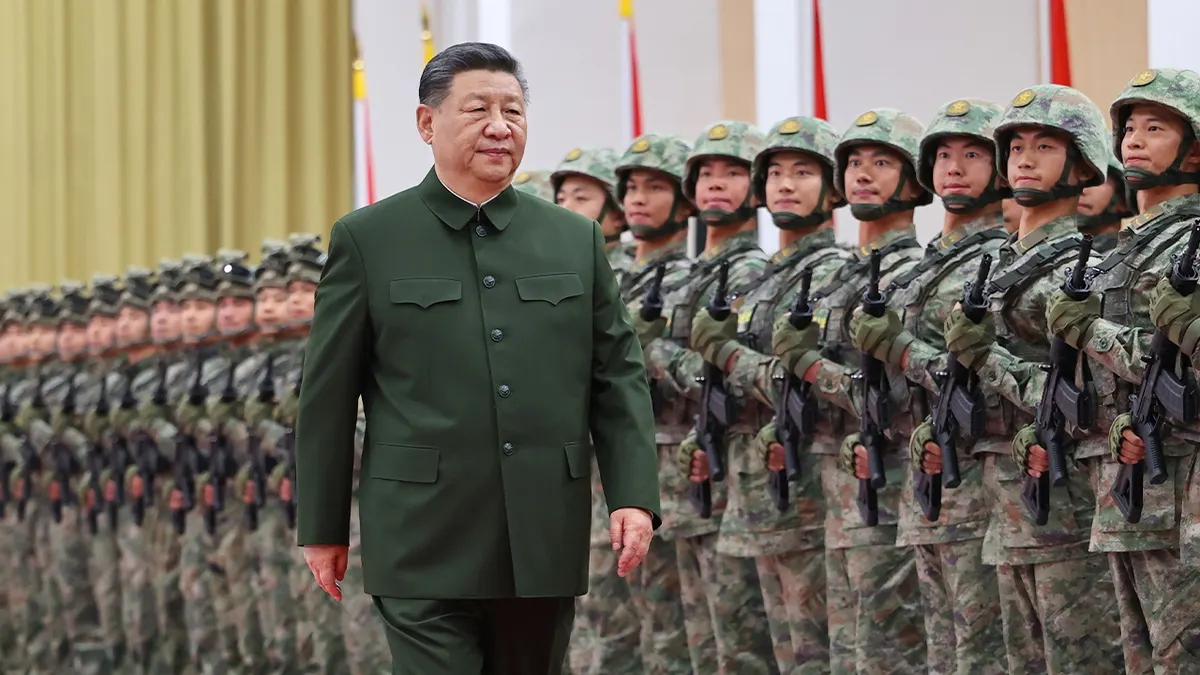
Xi Jinping has framed the campaign as a tool not only to punish corruption but also to enforce political loyalty and cultivate discipline across the Communist Party. The initiative is accompanied by ethics training and strict adherence to Party codes of conduct. Officials are expected to demonstrate both competence and loyalty, ensuring that governance at all levels reflects the Party’s strategic objectives.
While the campaign has been praised for demonstrating zero tolerance for corruption, some analysts caution that the high-pressure environment may lead to bureaucratic risk aversion, with officials hesitant to make decisions for fear of punishment. The leadership has attempted to mitigate this by distinguishing between deliberate misconduct and honest mistakes, though the overall environment remains one of strict oversight.
Broader Implications and Future Outlook
As China enters the next stage of economic and political planning, the anti-corruption campaign is expected to continue at full intensity. By combining anti-graft enforcement with political loyalty measures, Xi Jinping seeks to ensure that the Party remains unified and that all officials align with central objectives.
The record number of disciplinary actions in 2025 demonstrates the scale and determination of Xi’s governance approach. With nearly one million officials disciplined and tighter oversight on both lower-level and senior officials, the campaign underscores the Party’s commitment to consolidating power, maintaining discipline, and shaping the administrative landscape for years to come.












Leave a Reply