

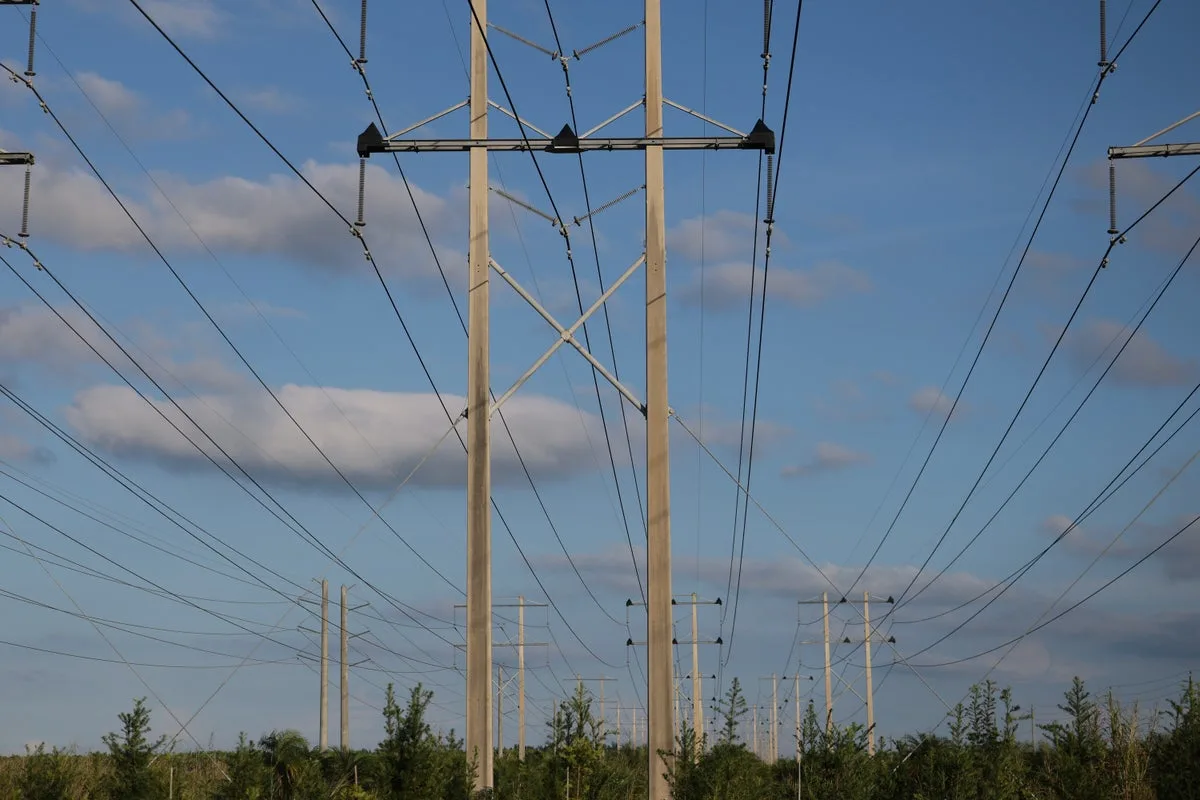
The White House has announced plans for an emergency power auction aimed at bolstering the reliability of the United States’ largest electric grid, the PJM Interconnection, amid growing concerns over rising electricity demand from data centers, industrial users, and AI infrastructure. The initiative seeks to prevent power shortages and address surging electricity prices in the Mid-Atlantic and Midwest regions.
Rationale Behind the Emergency Auction
PJM Interconnection serves roughly 67 million people across 13 states and Washington, D.C., making it a critical backbone of the nation’s electricity network. Recent capacity auctions revealed sharply rising generator costs, with contract prices spiking dramatically over the past year, contributing to higher energy bills for consumers and businesses.
The emergency auction aims to accelerate the development of new power plants by offering long-term contracts, potentially up to 15 years, providing financial certainty for energy providers and encouraging faster deployment of generation capacity.
Key Features of the Proposal
A notable component of the plan is that large energy consumers, such as AI data centers, may be required to either supply their own generation or contribute financially to new capacity projects. This “bring your own generation” concept is designed to distribute costs fairly while limiting the financial impact on residential and small business customers.
The White House emphasized that the auction is a temporary, targeted measure to address immediate grid stress and ensure reliability as the energy market adjusts to unprecedented demand growth.
Political and Economic Context
State leaders in the PJM region have expressed frustration with the slow pace of new power plant construction and have warned that continued delays could lead to states exploring alternatives to the regional grid system. Federal officials argue that the emergency auction could stimulate more than $15 billion in new energy infrastructure, protect consumers from price volatility, and reduce the risk of rolling blackouts.
The proposal has garnered both support and scrutiny. Proponents highlight the potential to stabilize the grid and incentivize investment in energy generation. Critics caution that rapid deployment may favor fossil fuel projects over renewable sources, potentially impacting climate goals.
Grid Operator and Stakeholder Response
PJM Interconnection has acknowledged the proposal but noted that it was not directly involved in the initial White House discussions. The operator is reviewing the plan and continuing efforts to manage peak demand, including streamlining interconnection processes and implementing measures to mitigate strain during high-load periods.
Looking Ahead
The emergency power auction could set a precedent for how the U.S. manages electricity infrastructure in the face of surging demand from technology-intensive industries. Policymakers and stakeholders will need to balance speed, reliability, and sustainability as they work to ensure that the grid can meet the nation’s energy needs in the coming decade.















Leave a Reply