

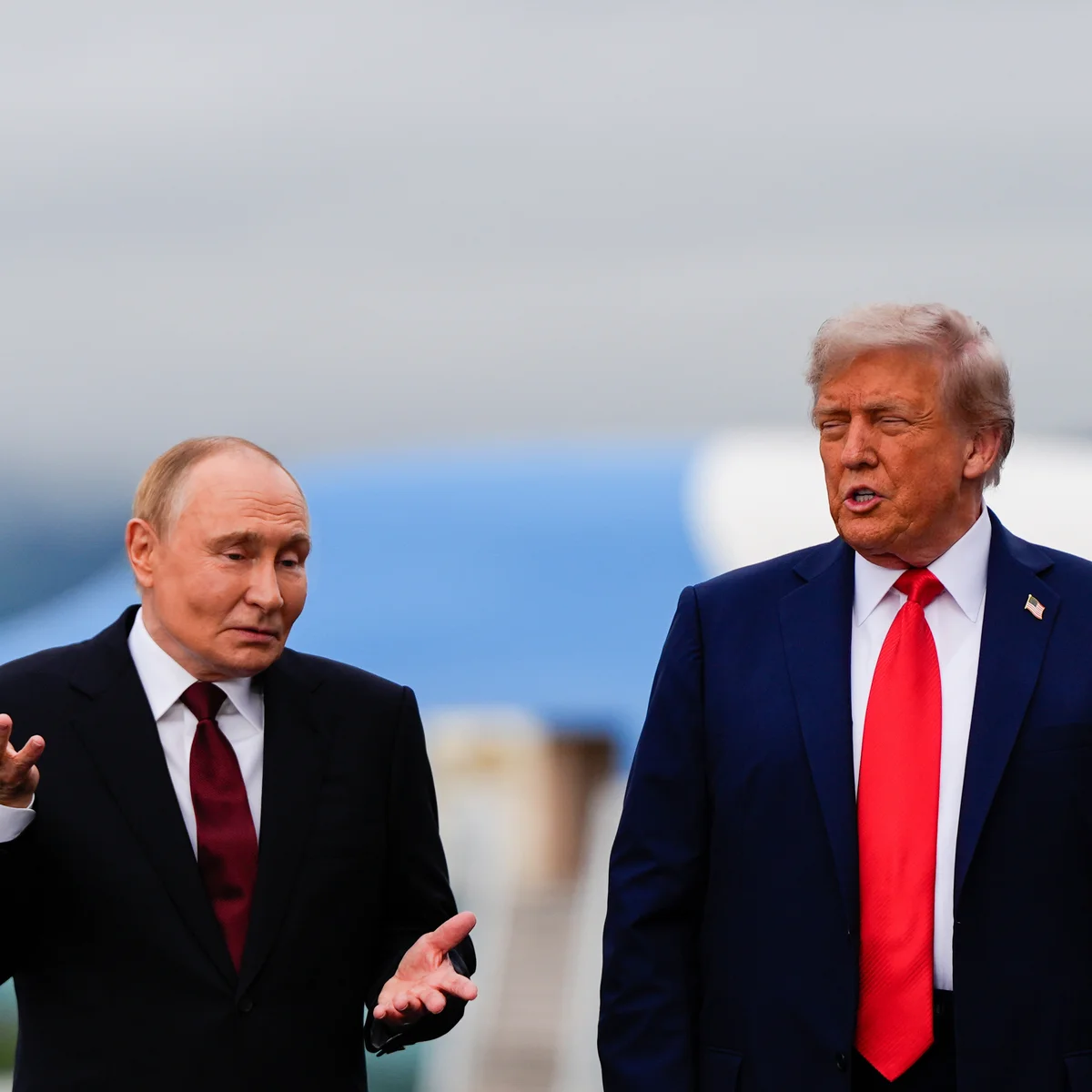
Russia has confirmed that President Vladimir Putin has been invited to join a new international initiative proposed by U.S. President Donald Trump, known as the “Board of Peace.” The unexpected outreach has sparked widespread debate among diplomats and analysts, with supporters describing it as bold diplomacy and critics warning it could undermine established international norms.
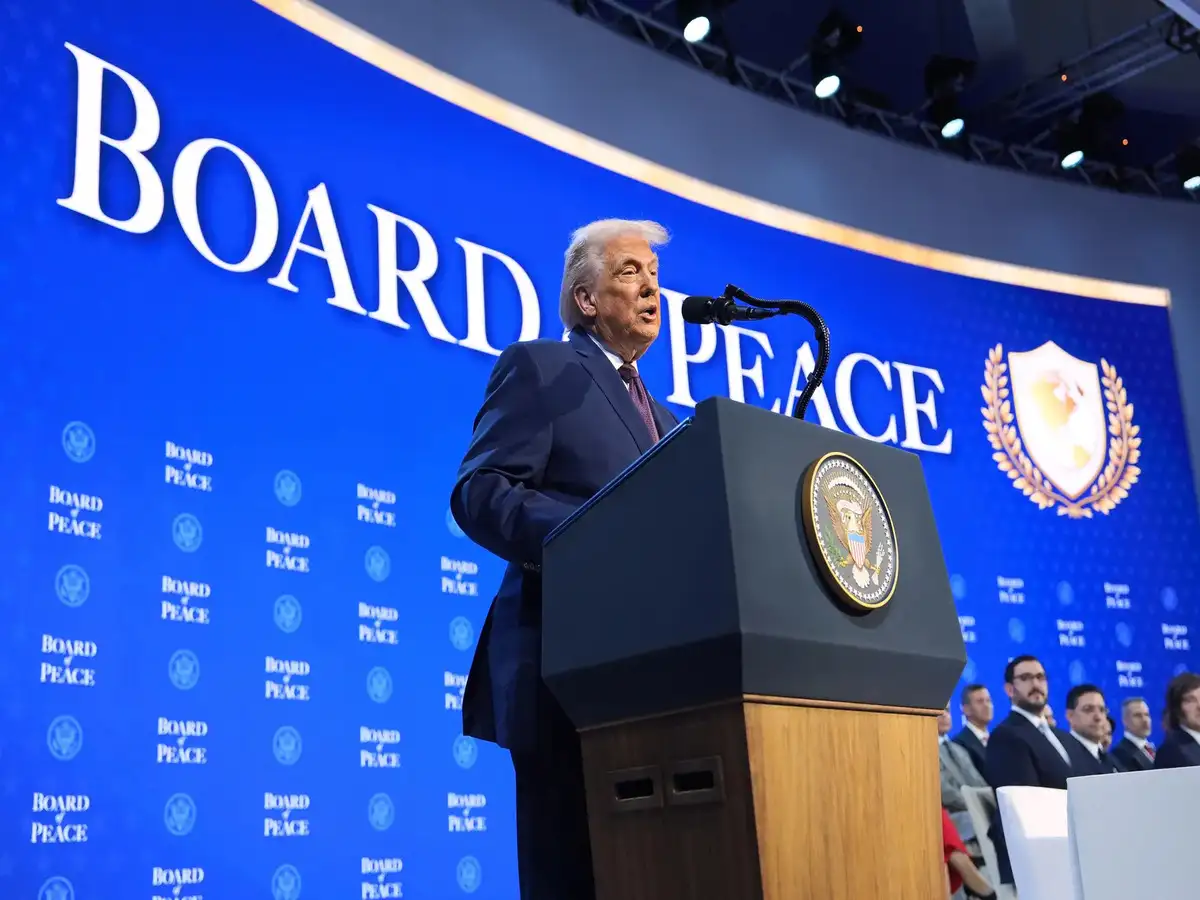
According to the Kremlin, the invitation came as part of Trump’s broader effort to position himself as a global peace broker, particularly in relation to the ongoing war in Gaza. The proposed board is envisioned as a high-level council of influential world leaders tasked with overseeing ceasefire arrangements, long-term stability, and post-conflict reconstruction in war-torn regions.
Russian officials said Moscow is studying the proposal and seeking clarification on the board’s mandate, structure, and decision-making authority before making any commitment. While the Kremlin did not signal immediate acceptance or rejection, it acknowledged that the invitation reflects renewed diplomatic engagement between Washington and Moscow.
The idea of including Putin has proven controversial. Russia remains embroiled in its own prolonged conflict in Ukraine, and Western governments have imposed extensive sanctions on Moscow. Critics argue that inviting a leader accused by many countries of violating international law risks damaging the credibility of any peace-focused initiative. They also warn that the move could alienate U.S. allies who have taken a firm stance against Russia’s actions.
Supporters of the proposal, however, argue that peace efforts require engagement with all major global powers, regardless of political disagreements. They contend that excluding influential leaders could limit the effectiveness of any international body aimed at resolving large-scale conflicts. From this perspective, Russia’s participation could bring broader geopolitical balance and increase the likelihood of compliance with any agreements reached.
Details of the Board of Peace remain limited, but it is understood to be separate from traditional institutions such as the United Nations. Trump has reportedly positioned himself as the central figure in the initiative, promoting it as a more decisive and results-driven alternative to existing multilateral frameworks. Participation is expected to include political leaders as well as financial and strategic contributors involved in reconstruction and governance planning.
Reactions across global capitals have been mixed. Some governments are cautiously observing developments, while others have privately expressed concern that the board could complicate ongoing diplomatic processes rather than complement them. Middle Eastern leaders, in particular, are watching closely to see whether the initiative gains tangible support or remains largely symbolic.
For Russia, the invitation presents both opportunity and risk. Participation could allow Moscow to reassert itself on the global stage and influence discussions on major conflicts beyond Eastern Europe. At the same time, joining such a body could expose the Kremlin to renewed scrutiny over its own military actions and diplomatic conduct.
Analysts note that the invitation fits Trump’s unconventional foreign policy style, which often prioritises personal diplomacy and high-profile gestures over traditional alliances and institutions. Whether this approach will translate into meaningful progress toward peace remains uncertain.
As Moscow deliberates its response, the proposal has already succeeded in reshaping diplomatic conversation. The coming weeks are expected to reveal whether Trump’s Board of Peace gains international traction — or becomes another flashpoint in an already fragmented global order.








Leave a Reply