


A year after a major measles outbreak swept across parts of the United States, public health experts are warning that the nation could lose its measles elimination status, a designation it first earned in 2000. This milestone underscores the fragility of disease control when vaccination rates dip and highlights the ongoing importance of immunization campaigns.
Understanding Measles Elimination
Measles elimination does not mean zero cases. Instead, it indicates that the disease is not spreading continuously within a country for 12 months or longer. If transmission persists beyond that period, the country is considered to have re-established endemic measles. The United States is now at risk of losing this designation due to ongoing outbreaks and clusters of unvaccinated individuals.
The Outbreak That Sparked Concern
The outbreak began early last year in several communities with lower vaccination coverage. Over the course of the year, more than 2,000 confirmed cases were reported nationwide — the highest number in decades. Children and adults alike were affected, with most of the infected individuals either unvaccinated or with incomplete vaccination records. The virus spread through travel and close contact, reaching multiple states and challenging public health containment efforts.
Declining Vaccination Coverage
Measles is one of the most contagious diseases known, capable of infecting nearly all unvaccinated people who are exposed. To maintain herd immunity and prevent outbreaks, at least 95 percent of the population needs to be immune. In recent years, vaccination rates among children have fallen below this threshold in some regions. This has created pockets of susceptibility that allow measles to spread even in otherwise highly immunized communities.
Why Elimination Status Matters
Maintaining elimination status is more than symbolic. It demonstrates that a country can prevent continuous transmission of a dangerous, vaccine-preventable disease. Losing this status would indicate that measles has re-established itself as a persistent threat, increasing the risk of larger outbreaks and more severe complications, such as pneumonia, encephalitis, and death, particularly among young children.
International Context and Oversight
The United States is not alone in facing challenges to measles control. Other countries have recently lost their elimination status due to similar declines in vaccination coverage and subsequent outbreaks. International health organizations regularly review each country’s disease surveillance and vaccination data to determine whether elimination status can be maintained.
The Path Forward
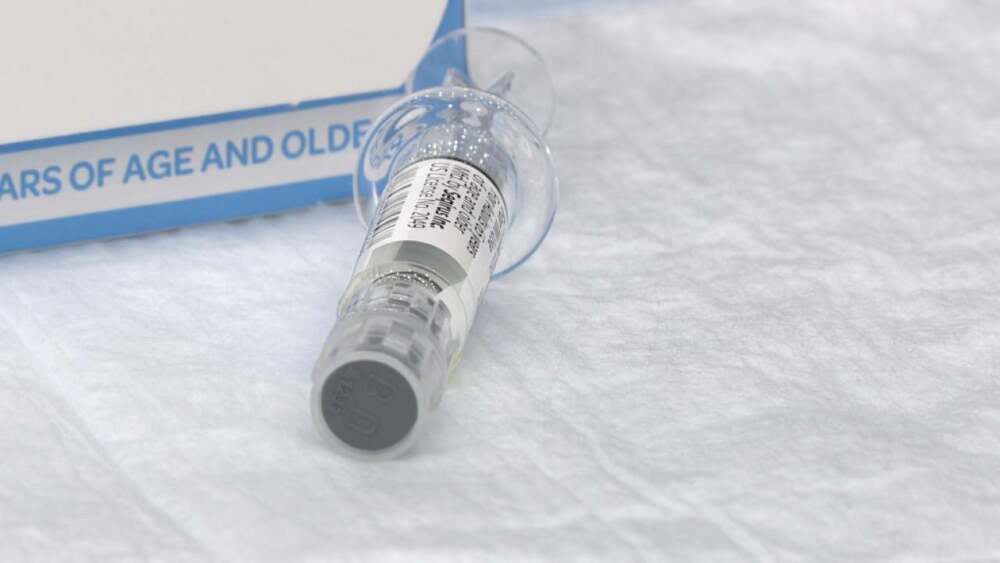
Public health authorities emphasize that vaccination remains the most effective way to control measles. Ensuring that children receive the recommended MMR vaccine doses and that adults verify their immunity is critical to preventing further spread. Swift response to outbreaks, increased public education, and sustained immunization campaigns are essential to protect communities and preserve the hard-won elimination status.
The anniversary of last year’s outbreak serves as a stark reminder that measles remains a serious threat when vaccination coverage falls. The coming months will be pivotal in determining whether the United States can maintain its position as a nation free from continuous measles transmission or if renewed vigilance is urgently needed to restore and reinforce disease control measures.















Leave a Reply