

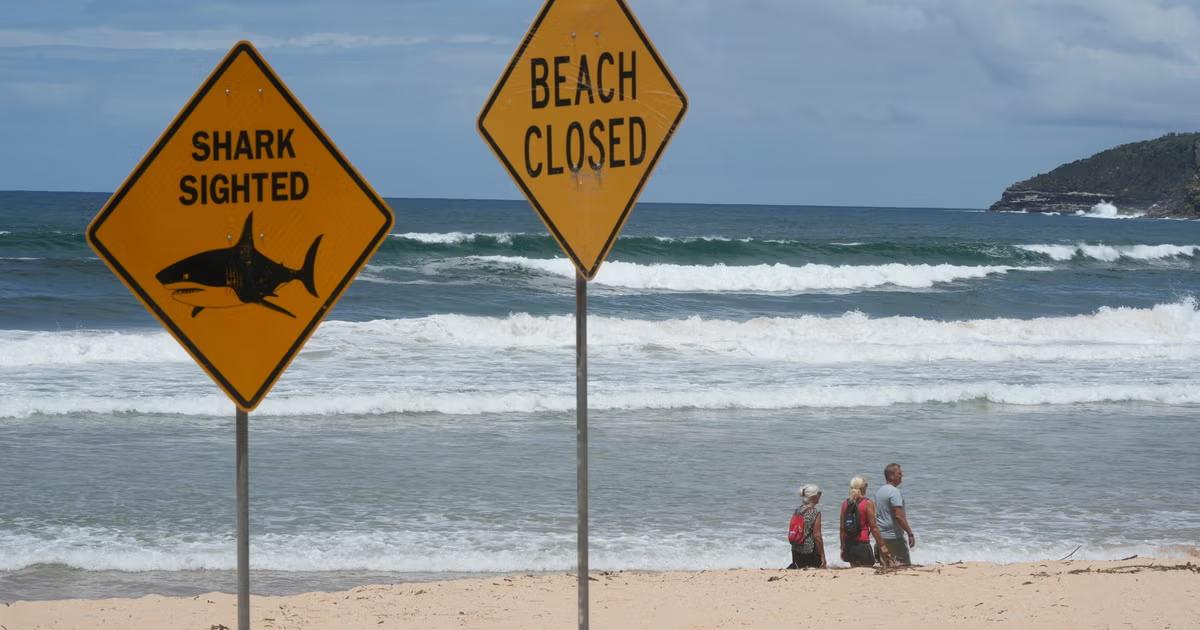
Australian officials have issued urgent safety warnings after a sudden cluster of shark attacks along the country’s east coast, urging residents and tourists to avoid swimming in the ocean and use local pools instead. The incidents, which occurred over a short period of time, have heightened anxiety during the peak summer season when beaches are usually crowded with swimmers and surfers.
Several attacks were reported across New South Wales, involving both swimmers and surfers at popular coastal spots. Victims ranged from children to adults, with injuries varying from minor wounds to serious leg trauma requiring hospital treatment. In some cases, surfboards were damaged, likely preventing more severe injuries. All of the victims survived, but the rapid succession of incidents has alarmed communities and authorities alike.
In response, dozens of beaches were temporarily closed, and marine safety teams were deployed to monitor shark activity. Drones, helicopters, and jet skis have been used to scan near-shore waters, while lifeguards have increased patrols and issued repeated warnings to keep people out of the sea. Officials have stressed that the closures are precautionary and designed to prevent further harm.
Marine experts say the spike in shark encounters is likely linked to environmental conditions rather than unusual shark behavior. Heavy rainfall in recent weeks has caused rivers to swell and runoff to flow into coastal waters, reducing visibility and attracting baitfish closer to shore. These conditions are particularly favorable for bull sharks, a species known to move into shallow and murky waters and to tolerate both saltwater and freshwater environments.
Authorities have emphasized that sharks are not deliberately targeting humans and that encounters remain statistically rare. However, multiple incidents in a short time frame significantly increase risk, prompting the unusual advice for people to avoid ocean swimming altogether for now. “If you want to swim, go to a pool,” officials have said, underscoring the seriousness of the situation.
Local businesses and surf communities have expressed concern over the impact of prolonged beach closures, especially during the busy holiday period. At the same time, many residents support the cautious approach, noting that safety must come before tourism and recreation.
Surf lifesaving organizations continue to remind the public to follow safety guidance, avoid swimming after heavy rain, stay close to patrol areas, and immediately exit the water if warnings are issued. They also stress the importance of understanding that shark activity can fluctuate rapidly depending on weather, tides, and food availability.
As conditions stabilize and water clarity improves, authorities will reassess the situation and gradually reopen beaches where it is deemed safe. Until then, Australians and visitors are being urged to remain vigilant, respect closures, and choose safer alternatives while marine experts continue to monitor shark movements along the coast.


















Leave a Reply