

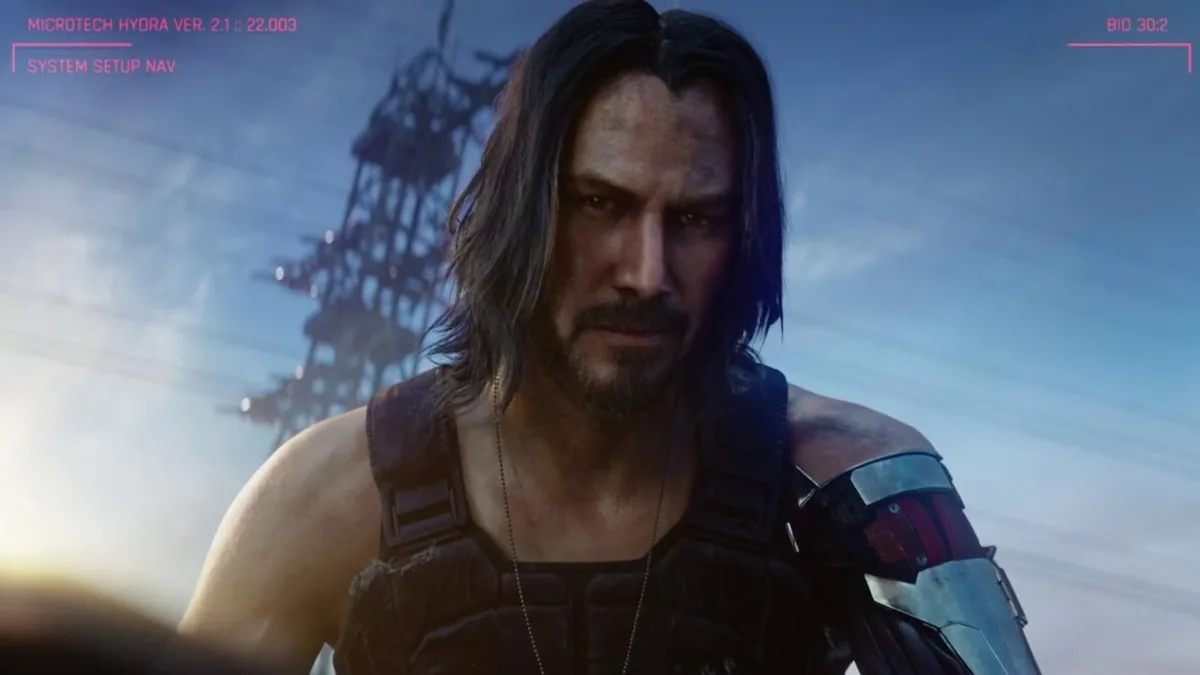
CD Projekt Red, the Polish developer behind the critically acclaimed Cyberpunk 2077, has taken legal action to remove a popular virtual reality (VR) modification for the game, issuing a DMCA takedown notice that has ignited discussion across the gaming community about intellectual property, modder creativity, and VR innovation.
Developer vs. Modders: What Happened?
A dedicated group of fans created a well‑received VR mod that allows players to experience Cyberpunk 2077 in virtual reality — transforming the first‑person action RPG into an immersive headset‑compatible experience. The mod gained attention for its ambitious design and passion‑driven approach, offering an alternate way to engage with Night City that was not officially supported by CD Projekt Red.
However, CD Projekt has now moved to block distribution of the mod by issuing a formal Digital Millennium Copyright Act (DMCA) notice to major download platforms hosting the VR add‑on. The notice asserts that the modification infringes on the company’s copyrighted material and violates its terms of use, given that it alters the original game code in ways not sanctioned by the developer.
In recent years, CD Projekt has generally been tolerant of community mods, including enhancements for graphics, quality‑of‑life features, and even unofficial story expansions. That history makes this latest action notable, raising questions about where developers draw the line between fan creativity and protecting their intellectual property.
The VR Mod That Stirred Controversy
The VR adaptation in question was developed by a small team of modders who combined technical expertise with passion for both the original game and virtual reality as a platform. The mod reportedly enabled VR headset compatibility with Cyberpunk 2077, including custom control mapping and immersive first‑person interactions that leveraged headset tracking.
Players lauded the project as a “labor of love,” with many in the VR community praising its potential to breathe new life into an already expansive world. Some users argued that the mod helped demonstrate the untapped potential of VR for narrative‑rich, AAA gaming experiences.
However, from CD Projekt’s perspective, the modification alters and redistributes proprietary code without permission — a stance consistent with many other developers seeking to maintain control over how their intellectual property is used and distributed.
Community Reaction: Divided Opinions
The takedown notice sparked immediate reaction across gaming forums, social media, and development communities:
- Supporters of the Modders argue that fan creations enhance longevity and engagement for games long past their commercial peak. They contend that VR mods like this one can expand audiences and showcase creative innovation that benefits the broader ecosystem.
- Critics of the Takedown suggest that there should be clearer pathways for community creators to work with developers, citing concerns that legal barriers stifle passion and experimentation.
- Defenders of CD Projekt’s Decision emphasize that companies have a legal obligation to enforce copyright protections. They note that unauthorized distribution of modified game code could set risky precedents and expose the business to liability.
Legal and Creative Tensions in Gaming Mod Culture
This dispute highlights a broader tension between intellectual property rights and modding culture. Video game modding has long been a grassroots engine for creativity, with some titles encouraging it through official tools and marketplaces. Games like Skyrim, Minecraft, and Grand Theft Auto have benefited from thriving mod communities that extend player engagement and even inspire professional careers.
But when mods involve substantial code changes — especially for new platforms like VR — developers often face difficult decisions about how to balance community enthusiasm with legal and commercial responsibilities.
What This Means for the Future of Modding
The CD Projekt DMCA action could prompt other studios to reevaluate how they approach third‑party mods, particularly those that introduce unsupported platforms or features. It may also lead to broader discussions within the industry about:
- Formalized modding frameworks: Offering official support, APIs, or tools that enable safe mod creation without infringing on protected code.
- Collaborative pathways: Establishing dialogue between developers and standout modding teams to consider sanctioned projects or partnerships.
- VR expansion opportunities: Assessing whether community‑led VR adaptations signal unmet demand that could be addressed through official channels.
Conclusion: A Flashpoint in Gamer Creativity
CD Projekt Red’s DMCA notice against the Cyberpunk 2077 VR mod has become more than a copyright enforcement action — it has sparked a nuanced conversation about the future of modding, creator rights, and the evolving landscape of immersive gaming. As the community digests the news, many will be watching how both developers and modders adapt in a world where passion projects continue to push technical boundaries.










Leave a Reply