

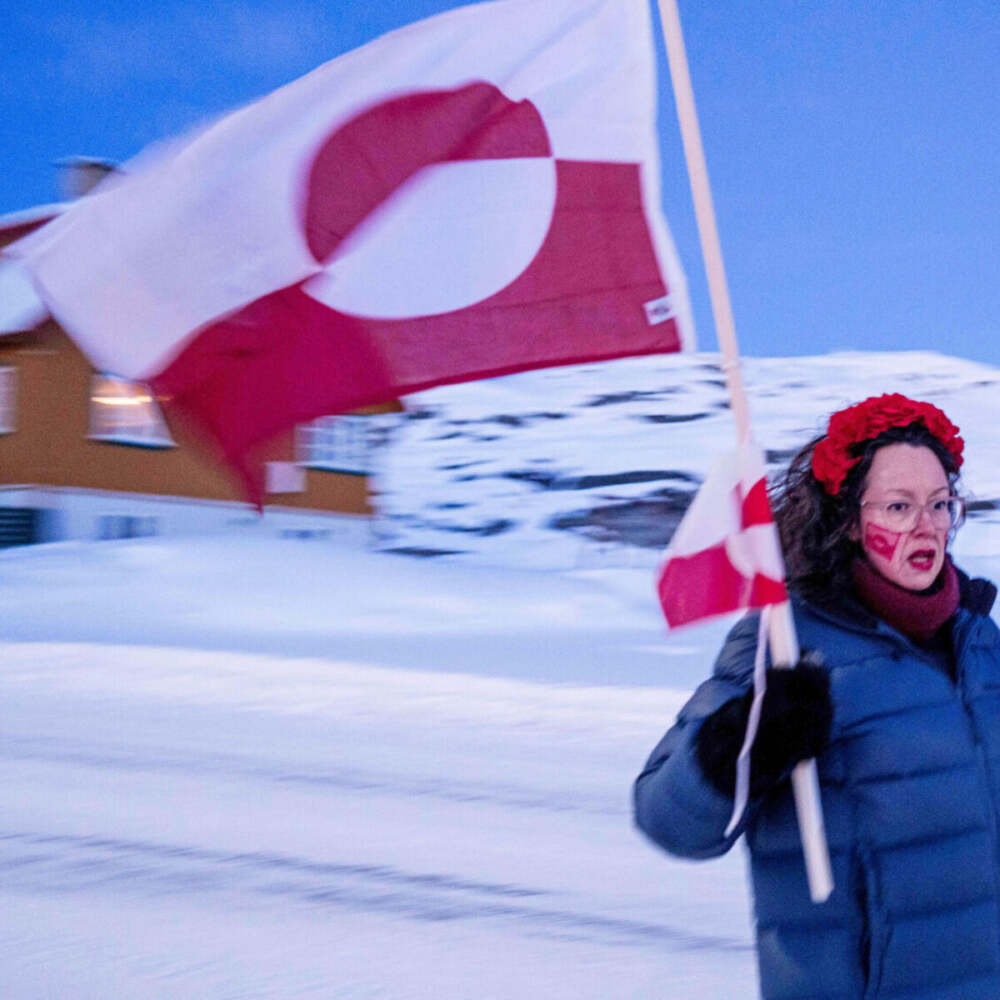
What began as a moment of high diplomatic alarm over U.S. intentions in Greenland has shifted into a period of uneasy uncertainty, with allies still trying to understand what any future agreement in the Arctic might actually look like.
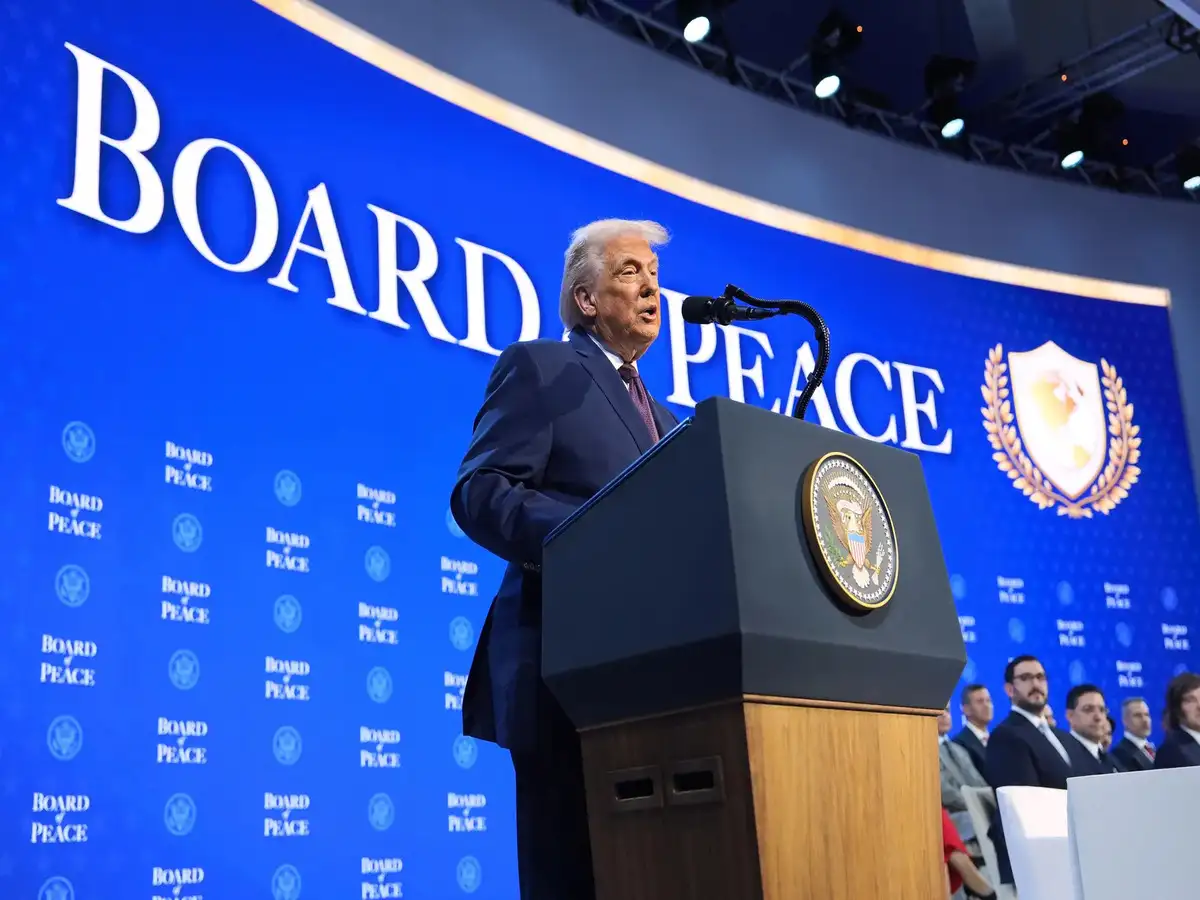
The latest episode unfolded after U.S. President Donald Trump renewed his long-standing focus on Greenland’s strategic importance, arguing that the Arctic territory is vital to American national security interests. His remarks, delivered during high-profile international meetings, revived memories of his earlier, controversial suggestion that the United States should acquire the island. This time, the rhetoric was accompanied by warnings of economic consequences for European nations seen as obstructing Washington’s goals, triggering concern across transatlantic capitals.
Greenland, a vast Arctic island with growing geopolitical relevance due to climate change, emerging shipping routes, and untapped natural resources, is an autonomous territory within the Kingdom of Denmark. Any shift in its political or security status carries major implications not only for Copenhagen and Nuuk, Greenland’s capital, but also for NATO and the broader balance of power in the Arctic, where Russia and China are also increasing their presence.
Initial reactions from Europe ranged from disbelief to alarm. Danish officials reiterated that Greenland is not for sale and emphasized that decisions about the island’s future must respect its self-governing institutions and the will of its people. Other European leaders stressed the importance of alliance unity and warned against turning security discussions into economic pressure tactics.
Yet just as tensions seemed poised to escalate, the tone shifted. Trump later said that discussions with NATO leadership and European counterparts had produced the outline of a potential framework for future cooperation involving Greenland and Arctic security. At the same time, the immediate threat of punitive trade measures appeared to recede, calming financial markets and easing fears of an outright transatlantic confrontation.
Despite this apparent de-escalation, key details remain elusive. U.S. officials have not publicly spelled out what the proposed framework would include, whether it relates to expanded military access, infrastructure investment, resource development, or broader strategic coordination. European governments, while welcoming the softer rhetoric, have been careful to note that sovereignty issues were not up for negotiation and that Greenland’s constitutional status remains unchanged.
The episode has highlighted the growing strategic weight of the Arctic in global politics. Melting ice is opening new sea lanes and making resource extraction more feasible, drawing increased attention from major powers. For the United States, Greenland’s location offers a crucial vantage point for missile defense, early warning systems, and monitoring activity across the polar region. For Denmark and Greenland, however, the focus is on balancing security cooperation with the preservation of political autonomy and environmental stewardship.
Markets, which had briefly wobbled amid fears of a widening trade dispute, stabilized once the most dramatic threats subsided. Still, investors and policymakers alike remain wary, aware that unclear agreements and shifting rhetoric can quickly reignite tensions.
For now, the crisis atmosphere has faded, but it has been replaced by a cloud of unanswered questions. Allies are left trying to determine whether this moment marks the beginning of a new phase of structured Arctic cooperation or simply a pause before the next round of pressure. In the absence of firm details, uncertainty — rather than confrontation — has become the defining feature of the Greenland debate.











Leave a Reply