

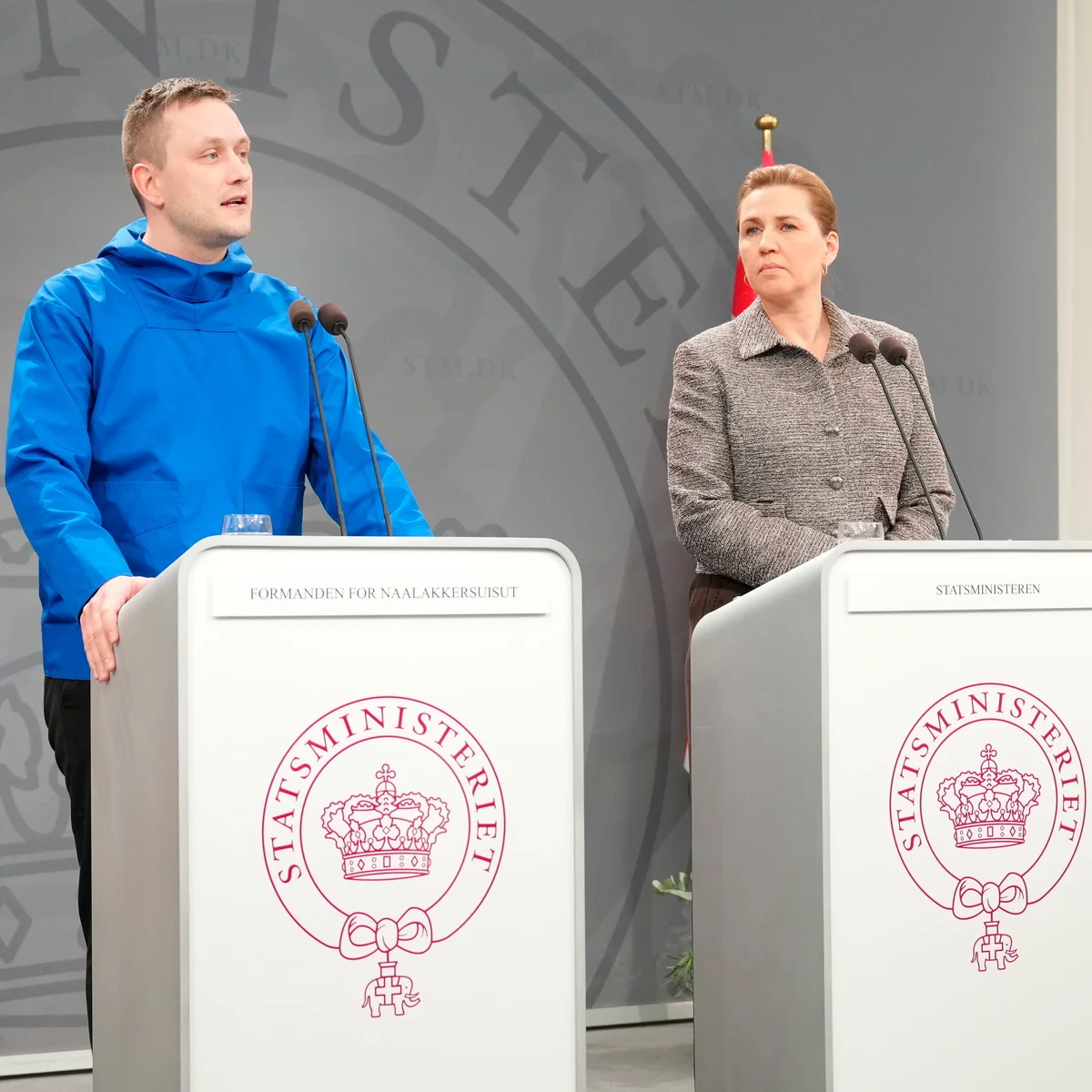
Tensions surrounding Greenland have shifted from immediate alarm to a state of ambiguity, leaving governments, local leaders, and international allies uncertain about the future of Arctic security and U.S.–European relations.
The dispute centers on Greenland, a strategically located Arctic island that is an autonomous territory within the Kingdom of Denmark. Its location, natural resources, and emerging shipping routes make it increasingly important for global security and trade. The controversy erupted when U.S. President Donald Trump emphasized Greenland’s strategic importance and suggested that the United States needed greater influence over the island. This rhetoric was accompanied by warnings of economic consequences for European countries that might oppose U.S. initiatives in the region.
Greenlandic and Danish officials quickly pushed back, reiterating that the island is not for sale and that decisions regarding its future must respect its autonomy. Local leaders emphasized that Greenlanders themselves must have a voice in any discussions that could affect the territory’s governance, highlighting the importance of self-determination and democratic processes.
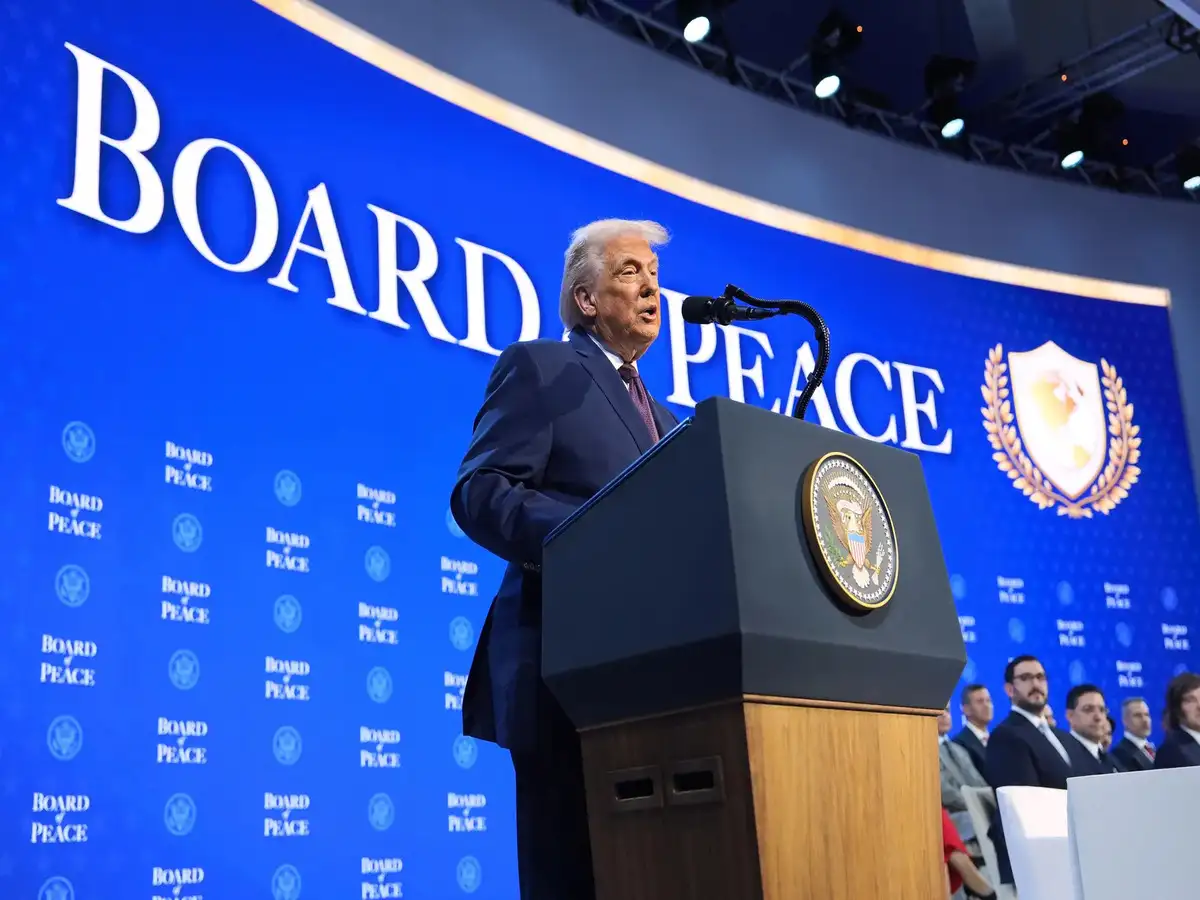
In the aftermath of these confrontational statements, Trump later indicated that discussions with NATO and European partners had produced a framework for future cooperation in the Arctic. While the immediate threat of punitive economic measures has been withdrawn, the exact terms of this framework remain unclear. Officials have emphasized that sovereignty issues are non-negotiable and that Greenland’s constitutional status will not change.
The episode has underscored broader concerns about transatlantic relations. While European leaders welcomed the easing of tensions, they remain cautious about the unpredictability of U.S. policy and the potential strain on long-standing alliances. Policymakers are now considering how to strengthen Arctic security cooperation without compromising the autonomy of Greenland or violating international norms.
For Greenland, the dispute has reinforced the importance of self-governance and heightened awareness of the island’s strategic value. Locals are closely monitoring international negotiations, aware that even indirect agreements between larger powers can have significant implications for their future.
Although the immediate crisis has subsided, uncertainty remains. Observers caution that the lack of concrete details in the proposed Arctic framework leaves open the possibility of renewed diplomatic tensions. As global attention focuses on Greenland, the coming months will be critical in determining whether this episode becomes a milestone in Arctic cooperation or a precursor to further geopolitical friction.











Leave a Reply