

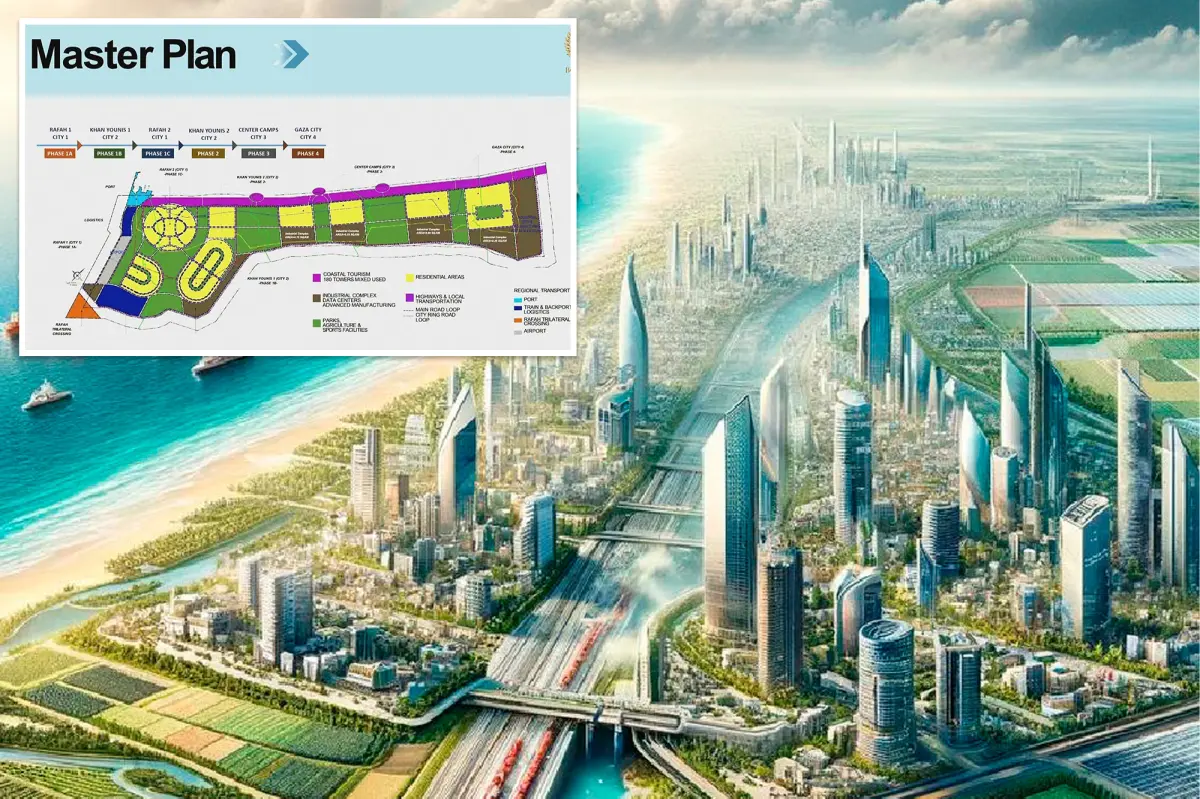
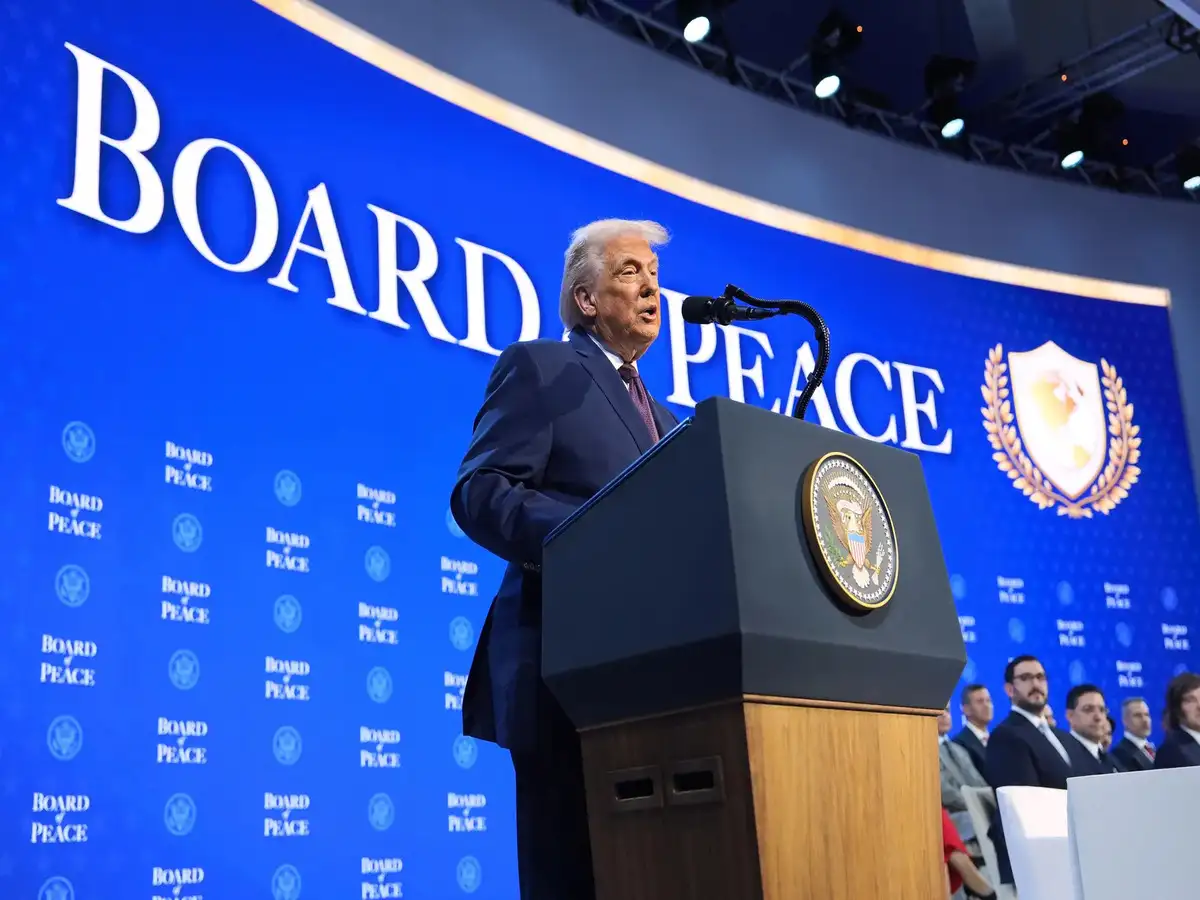
Jared Kushner, senior adviser and son‑in‑law of former U.S. President Donald Trump, has unveiled a sweeping blueprint aimed at rebuilding Gaza into a modern, economically vibrant territory. The plan, presented during a high‑profile international forum, is part of a broader Trump-backed initiative to stabilize the region and stimulate long-term growth.
The proposal envisions turning Gaza from a war-torn area into a thriving coastal hub, with state-of-the-art housing, commercial districts, and industrial zones. Kushner described the project as a multi-phase reconstruction effort, targeting key population centers first before expanding to cover the entire territory. Conceptual designs include high-rise mixed-use towers, improved waterfront areas, and modern infrastructure capable of supporting commerce and tourism.
Key Elements of the Plan
The master plan outlines several ambitious goals:
- Transportation and Connectivity: Construction of a new port and airport to improve trade and mobility, alongside rail and road networks connecting major cities.
- Economic Zones: Creation of special economic areas with preferential tariffs and investment incentives to attract international capital.
- Industrial and Tech Development: Establishment of industrial parks, data centers, and advanced manufacturing hubs to diversify Gaza’s economy.
- Workforce Preparation: Launch of vocational training programs aimed at equipping residents with skills needed for new industries.
- Public Services: Upgrading utilities, healthcare, and education systems to support a growing urban population.
The plan anticipates mobilizing tens of billions of dollars in investment, aiming to significantly boost Gaza’s GDP, create jobs, and improve household incomes over the next decade.
Challenges Ahead
Despite the plan’s ambitious vision, experts caution that substantial obstacles remain. Large portions of Gaza’s infrastructure remain damaged from years of conflict, and humanitarian needs continue to be urgent. Security concerns and the presence of armed groups present additional challenges for implementing large-scale construction and attracting foreign investment.
Coordination between local authorities, international partners, and donors will be essential for the plan’s success. Without stable governance and clear security guarantees, even well-funded projects may face delays or fail to achieve their intended impact.
Political Implications
Beyond reconstruction, the plan is also intended to reinforce regional stability. By linking economic revival to security and governance measures, Kushner’s initiative seeks to create incentives for peace and cooperation in a historically volatile area. However, the political landscape remains complex, and critics argue that long-term success will depend on local buy-in and sustained international engagement.
While the master plan is ambitious, its presentation marks a significant step in rethinking Gaza’s future. How much of the vision can be translated into actionable projects remains uncertain, but the proposal signals a major U.S.-backed push to reshape the post-conflict landscape.











Leave a Reply