

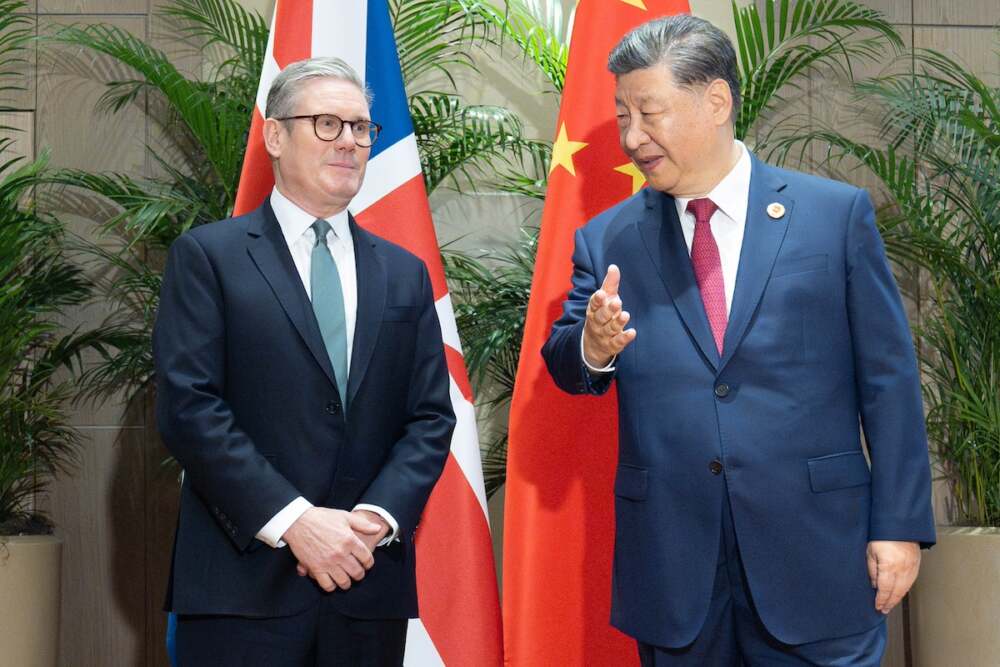
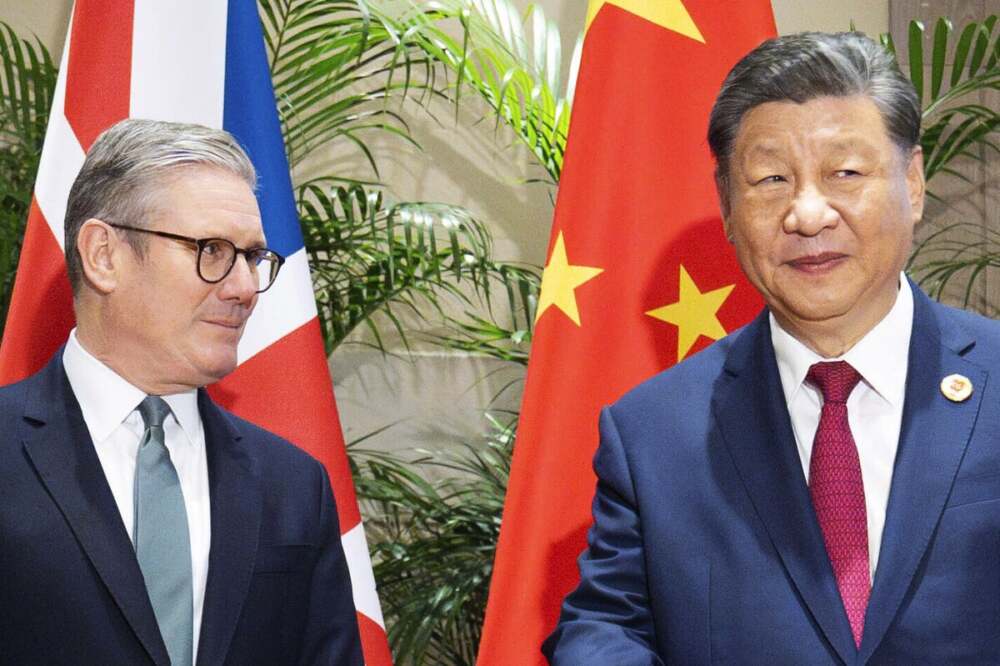
British Prime Minister Sir Keir Starmer has stepped onto one of the most delicate stages in global diplomacy with his high-profile visit to Beijing — a trip designed to unlock economic gains for the United Kingdom while avoiding friction with the United States. The mission reflects a broader shift in Britain’s foreign policy thinking: engagement without dependence, cooperation without compromise.
This marks the first visit to China by a UK prime minister in nearly a decade, underscoring how cautiously London has approached Beijing in recent years. Now, Starmer is attempting to reset the tone. His message is pragmatic rather than ideological — Britain wants trade, investment, and collaboration in key industries, but it also wants to maintain strong security ties with its Western allies.
Trade First, But Not At Any Cost
At the center of the visit is a powerful economic push. Starmer is accompanied by a large delegation of British business leaders spanning finance, life sciences, clean energy, advanced manufacturing, and technology. The goal is straightforward: open doors for UK firms in one of the world’s largest and fastest-evolving consumer markets.
British officials believe there is room to expand exports of services such as banking, insurance, education, and healthcare expertise. Green technology is another focus area, as both countries look to accelerate their transitions toward low-carbon energy systems. For a UK economy seeking stronger post-pandemic and post-Brexit growth, deeper commercial access to China represents a potentially valuable opportunity.
Yet Starmer has also been careful to stress that this is not a return to the “golden era” rhetoric of past UK-China relations. National security reviews remain in place, scrutiny of Chinese investment in sensitive infrastructure continues, and cooperation in critical technologies will be closely monitored.
The Trump Factor Looms Large
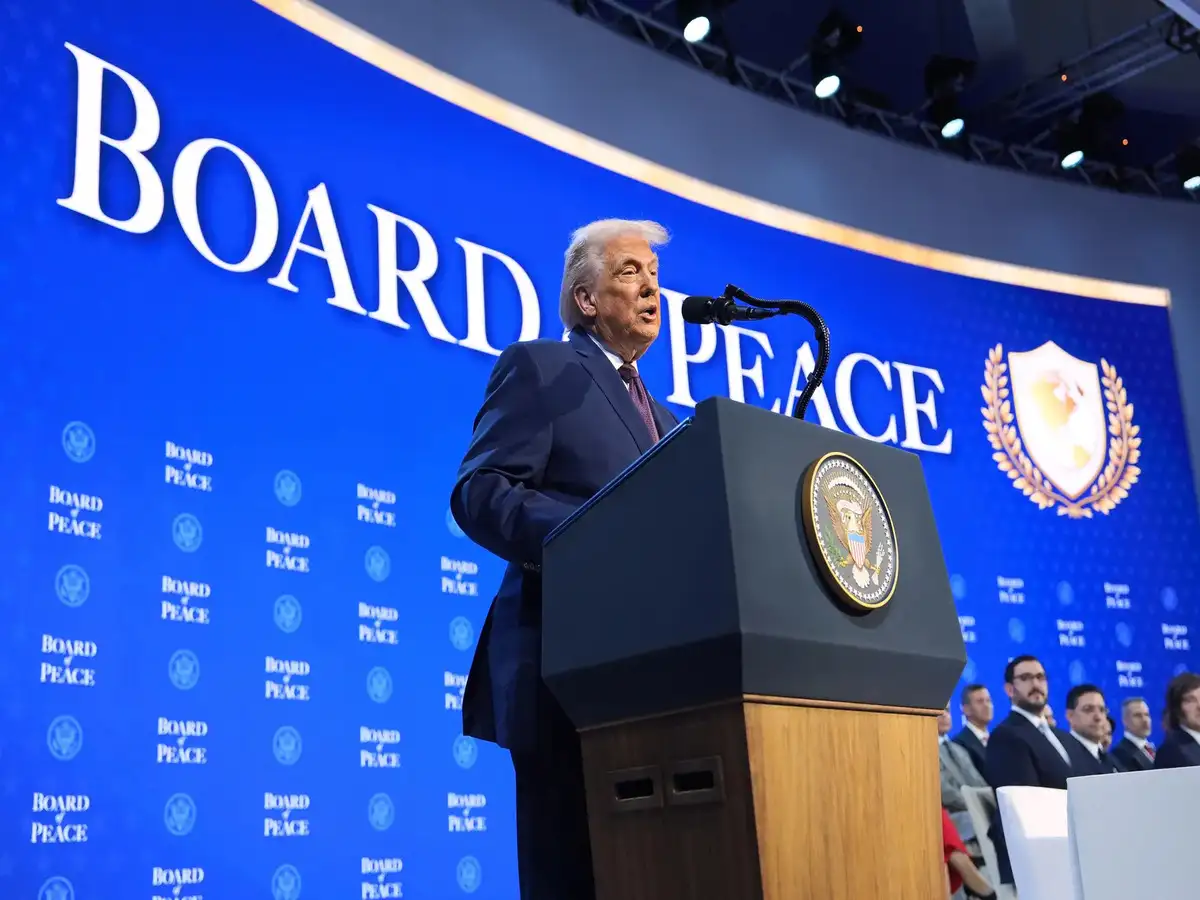
Complicating the picture is the political climate in Washington. Former U.S. President Donald Trump, once again a dominant force in American politics, has taken an aggressive stance on trade with China and has signaled he could penalize allies that grow too close economically to Beijing.
Starmer’s challenge is to demonstrate that stronger UK-China trade does not come at the expense of the transatlantic alliance. British officials describe their strategy as “balanced realism” — maintaining defense, intelligence, and security alignment with the U.S. while preserving the UK’s right to pursue its own economic interests.
Diplomatically, that means careful language, limited headline-grabbing deals, and an emphasis on long-term commercial frameworks rather than splashy political agreements. The UK is effectively trying to prove it can engage China as a serious economic partner without drifting strategically away from Washington.
Pressure at Home and Abroad
Back in Britain, the visit has sparked debate. Critics argue that economic engagement risks muting the UK’s voice on human rights, cybersecurity threats, and political freedoms. Supporters counter that isolation achieves little and that direct dialogue, combined with firm safeguards, is a more effective way to manage a complex relationship.
Internationally, other mid-sized powers are watching closely. Many face the same dilemma: how to benefit from China’s economic weight while navigating intensifying U.S.–China rivalry. Starmer’s approach could become a template — or a cautionary tale.
What is clear is that Britain is attempting to redefine its global role. No longer sheltered inside the European Union and navigating a more fragmented world order, the UK is betting on diplomatic agility. Starmer’s Beijing visit is an early test of whether that balancing act can truly deliver both prosperity and strategic stability.










Leave a Reply