

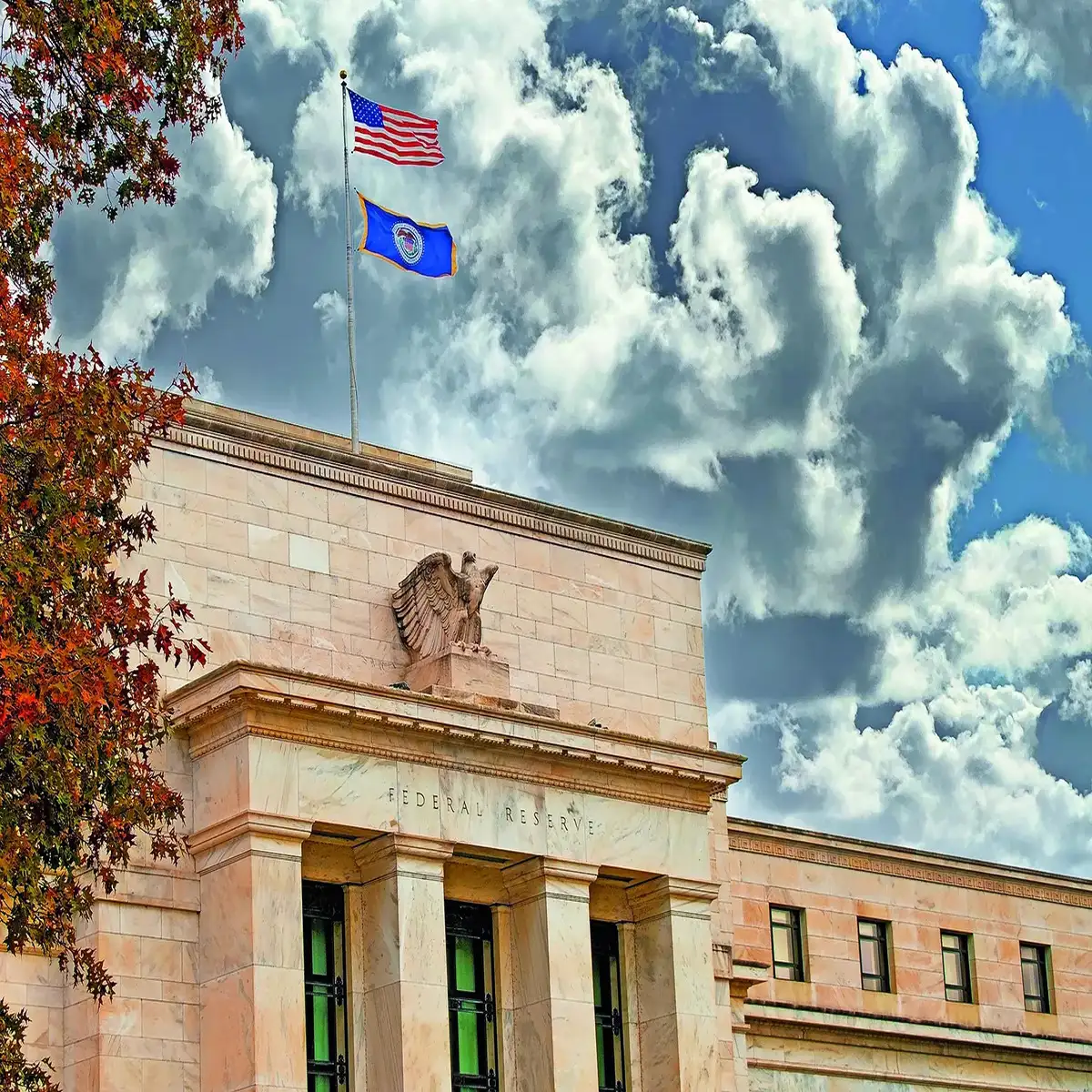
In a move that has captured the attention of financial markets and policymakers alike, the U.S. Federal Reserve is widely expected to hold interest rates steady at its January 2026 policy meeting, marking the beginning of what may be a sustained pause in rate cuts. This development reflects shifting economic dynamics and underscores ongoing concerns about inflation pressures, labour market strength, and global financial stability.
A Strategic Pause After Easing
After a series of rate reductions in 2025 designed to bolster economic growth and cushion the impact of tightening credit conditions, Federal Reserve officials have signalled that they are ready to pause further monetary easing for the time being. The federal funds rate is anticipated to remain in its current target range, following expectations that policymakers want to closely monitor recent economic data before making additional adjustments.
This pause is notable because it comes at a time when many analysts had projected a continued sequence of cuts through early 2026. Instead, the Fed appears to be recalibrating its approach in light of a mixed economic backdrop and the need to balance support for growth with vigilance against inflationary risks.
Economic Indicators Paint a Mixed Picture
Underlying the Fed’s decision is a complex set of economic signals. On the one hand, the labour market continues to demonstrate notable resilience, with unemployment holding at relatively low levels and job creation remaining solid overall. Consumer spending has also shown durability, suggesting that households are continuing to exert support for the broader economy.
At the same time, inflation — particularly core inflation that excludes volatile food and energy prices — has proven somewhat stubborn. Although price increases have moderated from their peaks, they remain above the central bank’s long‑term target, reducing the urgency for further rate cuts. The persistence of inflation has prompted some officials to caution against moving too quickly on monetary easing.
Financial markets have already priced in the likelihood of a rate pause, with traders aligning expectations that the current policy stance will remain in place not just this month, but potentially into the spring and summer unless incoming data sharply change the outlook.
Fed’s Deliberative Approach and Forward Guidance
Federal Reserve leaders have emphasised that future policy decisions will be data‑dependent. Rather than committing to a predetermined path of cuts, officials are signalling a willingness to hold firm until inflation demonstrates sustainable progress toward target levels and other indicators justify adjustment.
The central bank’s recent communications have reflected a broad consensus that the economy can continue to grow without immediate monetary stimulus, provided inflation moderates gradually and financial conditions remain accommodative.
Political Context and Central Bank Independence
The timing of the pause has attracted attention amid ongoing political pressure from policymakers seeking more aggressive rate cuts to stimulate growth. Some elected officials, including those in the executive branch, have publicly advocated for easier monetary conditions to support businesses and households. However, the Fed’s decision to hold rates underscores its prioritisation of independence and data‑driven decision‑making, reaffirming its mandate to focus on price stability and maximum employment without undue political influence.
Observers note that maintaining credibility in the eyes of both markets and the public is critical, especially as global financial conditions remain sensitive to policy shifts by major central banks.
Impact on Markets, Businesses, and Consumers
The expected pause in rate cuts carries implications across the economy:
- Financial Markets: With interest rates steady, markets may experience increased volatility as investors reassess risk‑reward dynamics. Equities, bonds, and currency markets will continue to react to incoming data and future Fed communications.
- Borrowers: Businesses and consumers seeking loans — including mortgages, auto credit, and commercial financing — may face higher borrowing costs for longer than they had anticipated. This could temper some demand for big‑ticket purchases and capital investments.
- Savers: Individuals with savings accounts, certificates of deposit, or money market instruments may benefit from relatively higher yields than in periods of aggressive rate cuts.
- Housing Market: The residential real estate sector could see slower price appreciation, as steadier interest rates contribute to unchanged borrowing costs for homebuyers and refinancers.
Looking Ahead: What to Watch
In the coming months, analysts and investors will closely monitor key economic indicators for signs that the Fed’s outlook may shift:
- Inflation data, including core consumer prices, will be scrutinised for evidence of sustained moderation.
- Labour market reports, especially unemployment and wage growth figures, will influence policymakers’ confidence in demand conditions.
- Global economic developments, such as geopolitical risks or overseas central bank policy changes, could also feed into the Fed’s assessment of risks to U.S. economic stability.
The central bank’s next statements and press briefings will be equally important for understanding how officials view the balance of risks and the future path of monetary policy.
Conclusion: A New Phase in Monetary Policy
By holding interest rates steady and initiating a pause in rate cuts, the Federal Reserve is signalling a shift toward a more cautious, data‑dependent policy stance. This approach reflects confidence in the economy’s resilience but also recognition of persistent inflation challenges and global uncertainties. As the effects of this pause ripple through financial markets and everyday economic life, policymakers, investors, and households alike will be watching closely for the next indications of where monetary policy is headed.















Leave a Reply