

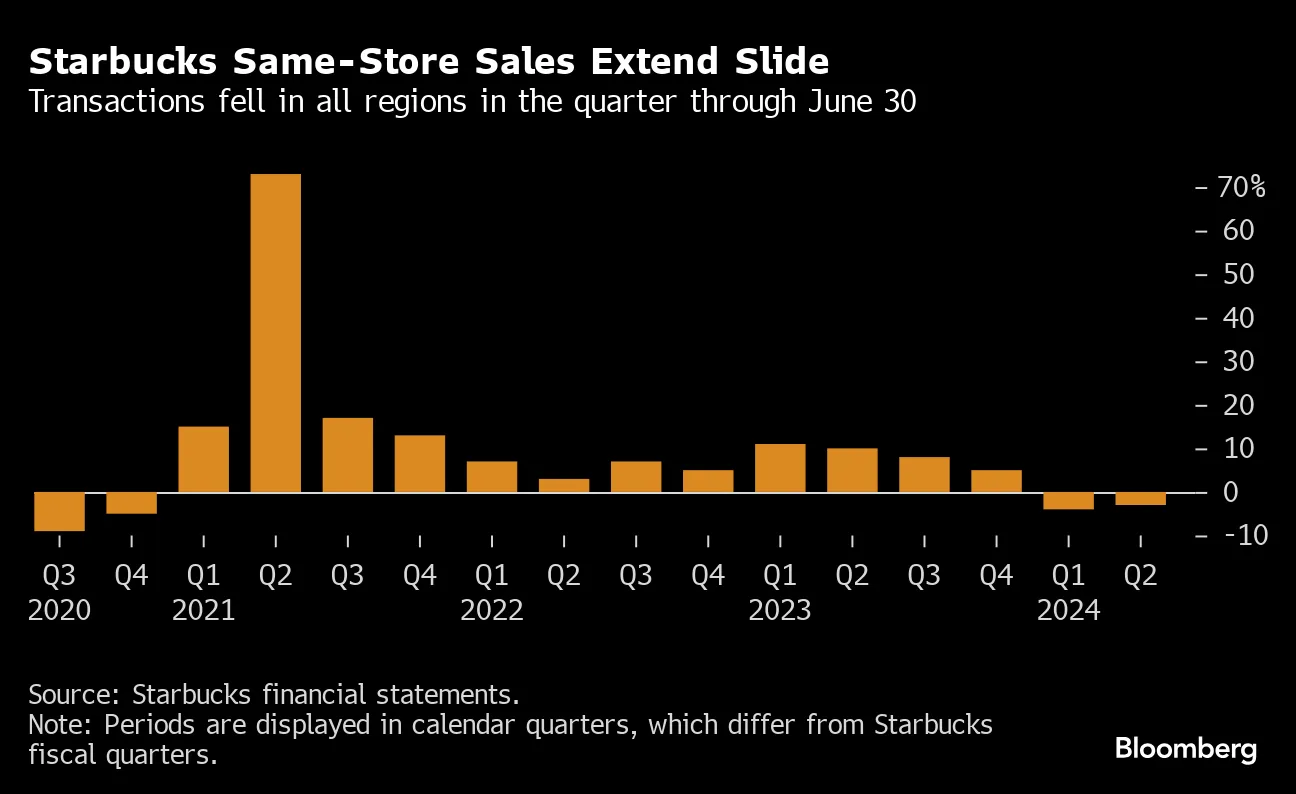
Starbucks, the world’s largest coffeehouse chain, has reported a notable turnaround in sales and earnings, surprising many analysts who had expected sluggish performance amid broader economic headwinds. The company’s latest financial results underscore a successful rebound driven by strategic initiatives, improved customer engagement, and disciplined cost management — signaling renewed momentum for the global brand.
Stronger‑than‑Expected Financial Results
In the most recent quarter, Starbucks posted solid growth in both revenue and profitability, reversing several quarters of slower performance that had raised questions about the company’s growth trajectory. Total sales increased meaningfully compared with the same period last year, while earnings per share exceeded consensus expectations. This performance reflects a combination of higher customer traffic, increased average spend, and successful adaptation to changing consumer habits.
Executives noted that international markets — particularly China — contributed significantly to the rebound, helping offset lingering softness in certain segments of the U.S. business. China’s recovery after pandemic‑related disruptions appears to be gaining traction once again, with Starbucks benefiting from renewed consumer demand for premium beverages and in‑store experiences.
Strategic Initiatives Paying Off
Starbucks’ turnaround has been driven by a variety of strategic changes implemented over the past year:
- Menu Innovation: The company expanded its beverage lineup with seasonal and premium offerings that resonated with customers. Limited‑time promotions and localized products in international markets helped draw new and returning guests.
- Digital Engagement and Loyalty: Starbucks has strengthened its digital ecosystem, including enhancements to its mobile app and loyalty program. These efforts boosted repeat visits and increased customer lifetime value. Digital sales now represent a significant portion of total revenue, with app users spending more per transaction than non‑users.
- Operational Efficiency: Starbucks took steps to streamline store operations and reduce costs without sacrificing service quality. Investments in training, inventory management, and technology have improved speed of service and reduced operational bottlenecks.
- Store Portfolio Optimization: The company refined its global real estate strategy, focusing on high‑growth urban and suburban locations while scaling back underperforming sites. This rationalisation has boosted profitability and improved overall store productivity.
Growth in International Markets
China, Starbucks’ second‑largest market after the United States, has been a key driver of the recent sales surge. After years of navigating pandemic‑related closures and uneven foot traffic, the company has reported sustained growth in customer visits across major cities. Starbucks’ strategy of adapting store formats and product offerings to local tastes appears to be bearing fruit, and the brand’s strong cultural presence in China is supporting deeper market penetration.
Other international regions — including parts of Southeast Asia and the Middle East — also contributed to the global rebound, with Starbucks opening new stores in strategic locations and deepening partnerships with local franchisees.
U.S. Market Trends and Consumer Behaviour
In the United States, the world’s largest coffee market, Starbucks experienced a pickup in customer traffic, especially during morning and afternoon peak hours. While macroeconomic challenges such as inflation and cost‑of‑living pressures have tempered consumer spending in some categories, Starbucks’ loyal customer base has continued to prioritise premium coffee and convenient service.
Executives highlighted that Starbucks’ value perception and brand appeal remain strong. Seasonal promotions, personalised offers through the mobile app, and rewards incentives helped drive frequency of visits and larger basket sizes.
Margin Improvement and Cost Controls
In addition to top‑line strength, Starbucks delivered improved profit margins, reflecting better cost controls and operational discipline. While input costs — including coffee beans, labour, and logistics — remain elevated in certain regions, the company’s focus on efficiency has helped insulate its bottom line.
Analysts noted that improved margins are critical not only for current profitability but also for funding future growth initiatives such as digital investments, store enhancements, and sustainability programs.
Outlook and Forward Strategy
Looking ahead, Starbucks executives remain cautiously optimistic about sustaining growth momentum. The company plans to continue innovating its menu, expanding its digital engagement platform, and exploring new store formats tailored to urban, suburban and international consumer preferences.
Starbucks is also emphasising sustainability initiatives, including environmentally focused packaging, renewable energy use, and ethical sourcing of coffee beans. These commitments align with evolving consumer expectations and may further enhance brand loyalty over time.
Investor and Market Reaction
Investors responded positively to Starbucks’ turnaround report, with the company’s stock gaining ground following the earnings announcement. Market analysts praised the stronger‑than‑expected performance, pointing to strategic clarity and disciplined execution as key factors in the rebound.
While challenges remain — including economic uncertainties and competitive pressures — Starbucks’ latest results suggest that the company is successfully adapting to a changing marketplace and reconfirming its position as a leader in the global coffee industry.















Leave a Reply