

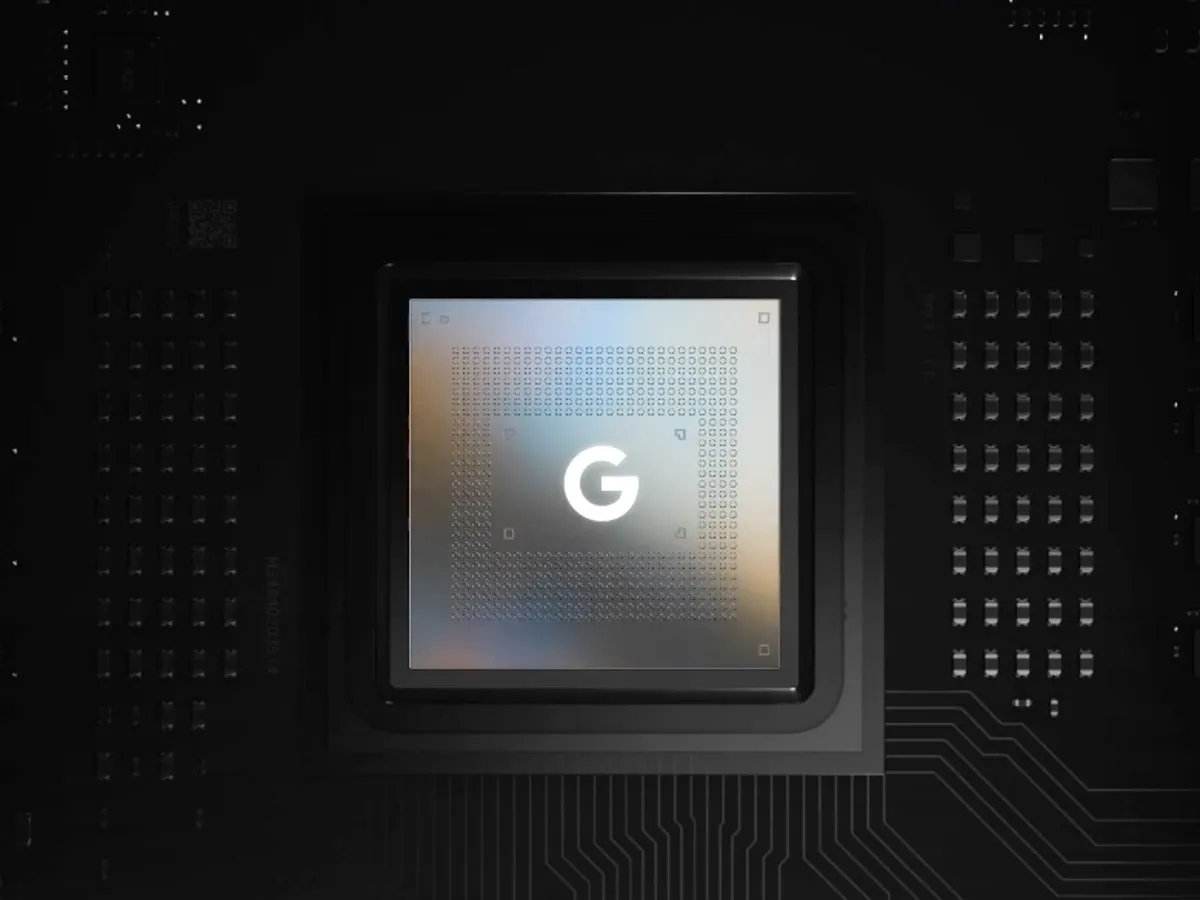
As the global smartphone market enters one of its most challenging periods in years, Google’s Pixel series is staking its future on its in‑house Tensor processor, aiming to stand out in performance, AI capabilities, and user experience. Industry insiders now view the Tensor chip as a central pillar of Google’s strategy — one that could help the company weather slowed consumer demand and intensifying competition in 2026.
A Tough Year for Smartphones
Worldwide smartphone shipments have softened significantly, with consumers holding onto devices longer and economic uncertainty dampening replacement demand. Market leaders such as Apple and Samsung continue to compete fiercely at the high end, leaving less room for mid‑tier and challenger brands to gain traction. In this context, Google’s Pixel lineup is confronting headwinds that include:
- Weakening overall demand for new handsets
- Rising competition from Chinese brands offering high‑end specs at aggressive prices
- Shifted consumer priorities toward longevity, value, and AI‑centric features over raw hardware specs
This backdrop makes the performance of Google’s Pixel family — and specifically its core Tensor silicon — all the more critical.
Tensor: More Than Just a Processor
Unlike many Android competitors that source off‑the‑shelf chips, Google has forged its own path with the Tensor series, designed in partnership with semiconductor specialists yet deeply integrated with Google’s AI and software ecosystem. The latest generation of Tensor powering the 2026 Pixel models emphasizes:
- AI‑driven performance enhancements, such as on‑device multitasking and intelligent scheduling
- Advanced photography and video capabilities, through enhanced processing and computational imaging
- Improved power efficiency, addressing a past critique of earlier Tensor chips
- Custom security and machine learning features, tightly woven into Android and application experiences
Google’s goal with Tensor is not merely to offer speed but to deliver meaningful differentiators that leverage its leadership in software and artificial intelligence. Features like real‑time language translation, predictive app behaviour, and intelligent resource allocation are designed to make everyday use feel smoother and more intuitive.
Balancing Performance and Efficiency
One persistent criticism of earlier Tensor chips was their relatively high power consumption, especially when handling intensive tasks. In response, the 2026 iteration — while still prioritizing AI performance — incorporates architectural improvements aimed at better energy efficiency, aligning more closely with the demands of modern mobile users who expect all‑day battery life without sacrificing capabilities.
Benchmark tests show that the latest Tensor holds its own against rival flagships in raw performance while excelling in areas where Google’s software optimisations can shine — including photography, voice recognition, and context‑aware activity handling.
Pixel’s Competitive Positioning in 2026
With Tensor at its core, the 2026 Pixel devices are being positioned to challenge both traditional premium leaders and value‑oriented competitors. Google is emphasizing a holistic user experience that combines:
- A refined Android interface with early access to system updates
- AI features that are tightly integrated rather than bolted on
- Competitive pricing relative to flagship phones with similar specs
- Enhanced camera performance rooted in computational photography expertise
This approach reflects Google’s understanding that in a crowded market, consumers are increasingly drawn to distinctive experiences rather than incremental hardware upgrades.
Strategic Focus on AI‑First Features
AI remains the buzzword of the moment, but Google’s implementation goes beyond marketing. Tensor’s deep integration enables features such as:
- Smart assistant capabilities that can understand context and intent more accurately
- On‑device processing for sensitive tasks, reducing dependence on cloud connections
- Adaptive performance tuning that optimises responsiveness and battery life in real time
These AI‑driven functions aim to appeal not only to tech enthusiasts but also to mainstream users who value convenience, intelligence, and privacy.
Looking Ahead: Can Tensor Drive Pixel Growth?
Whether the Tensor chip will be enough to prop up the Pixel lineup through 2026’s market turbulence remains to be seen. Success will likely hinge on several factors:
- Consumer reception of AI‑centric features — will they be viewed as valuable differentiators?
- Pricing strategy — can Google balance value with premium aspirations?
- Global expansion and carrier partnerships — especially in regions where brand loyalty is still fluid?
- Ongoing software support and ecosystem coherence — leveraging Android’s broad reach
Analysts note that while Tensor may not be a silver bullet, it provides a credible technological foundation that sets Google apart from other Android vendors who rely on off‑the‑shelf chips with generic performance profiles.
Conclusion: A Chip With a Mission
In a smartphone market characterized by cautious consumers and fierce competition, Google is betting on its custom Tensor silicon as a differentiation engine. By tying hardware tightly to AI‑rich software experiences, the company is aiming not just to sell more phones but to convince users that Pixel devices offer something uniquely tailored to the way people interact with technology today.
If Tensor succeeds in delivering noticeable, everyday benefits to users — rather than simply impressive specs on paper — it could help Google’s Pixel brand maintain relevance and momentum during a challenging year for the industry.











Leave a Reply