

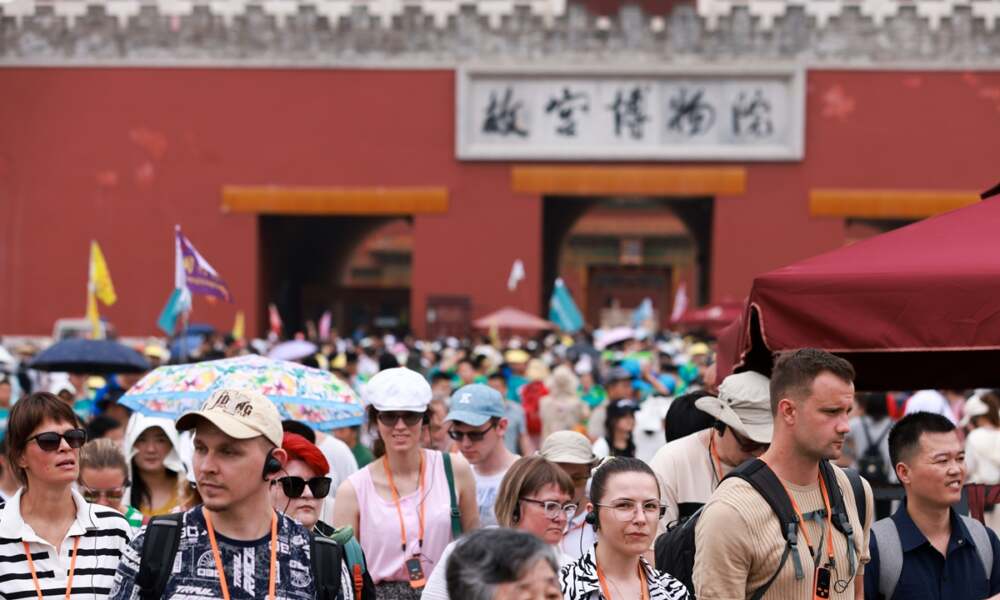
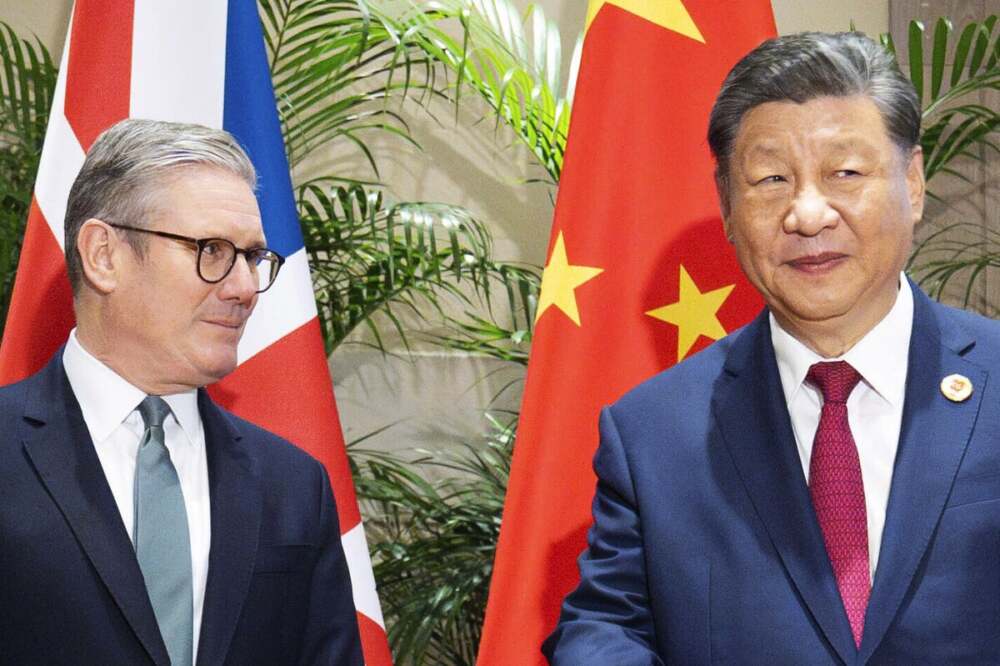
British travellers will soon find it significantly easier to visit China, after a new agreement between London and Beijing introduced visa-free entry for short stays of up to 30 days. The move was announced by UK Prime Minister Sir Keir Starmer following high-level talks with Chinese President Xi Jinping, and is being seen as one of the most tangible outcomes of the UK leader’s visit to the Chinese capital.
The decision marks a notable shift in the tone of relations between the two countries, which in recent years have been marked by caution and political friction. By easing travel restrictions, both governments are signalling a willingness to pursue practical cooperation in areas that benefit citizens and businesses alike.
Under the new policy, holders of British passports will be able to enter mainland China without applying for a visa in advance, provided their stay does not exceed 30 days. The arrangement is expected to apply to tourism and certain short-term business visits, cutting both the cost and administrative burden that previously came with travel to China. Officials say the change is designed to encourage greater mobility, cultural exchange and commercial engagement.
For the UK business community, the development could be particularly significant. China remains one of the world’s largest consumer markets and a major player in global trade. British firms in sectors such as finance, legal services, education, healthcare and creative industries have long viewed easier travel access as a key step toward expanding partnerships and exploring new opportunities. The ability to arrange trips at short notice without navigating a lengthy visa process may make a real difference for small and medium-sized enterprises as well as large corporations.
Tourism is also expected to benefit. Before the pandemic, hundreds of thousands of British visitors travelled to China each year for heritage tourism, business events and academic exchanges. Travel industry representatives say simplified entry rules could help revive those numbers, supporting airlines, tour operators and hospitality providers on both sides.
The visa announcement came as part of a broader set of discussions aimed at stabilising and modernising the UK-China relationship. Alongside travel, leaders addressed trade, investment and cooperation in areas such as education and green development. Both sides indicated interest in maintaining open channels of dialogue even where disagreements remain, reflecting a more pragmatic diplomatic approach.
Still, the closer engagement is not without debate in Britain. Some politicians and analysts continue to raise concerns about security, supply chain resilience and human rights issues. The government’s position has been that engagement and vigilance can go hand in hand — working with China where it serves national interests, while remaining clear-eyed about differences.
For ordinary travellers, however, the change is far more straightforward: fewer forms, lower fees and more spontaneous trips. Whether for business meetings in Shanghai, university visits in Beijing or cultural tours along the Silk Road, the new visa-free policy represents a practical step toward reconnecting people after years of restricted global movement.
If implemented smoothly, the agreement could become a cornerstone of a broader reset — one built not only on diplomacy, but on the everyday movement of people, ideas and trade between two influential nations.











Leave a Reply