

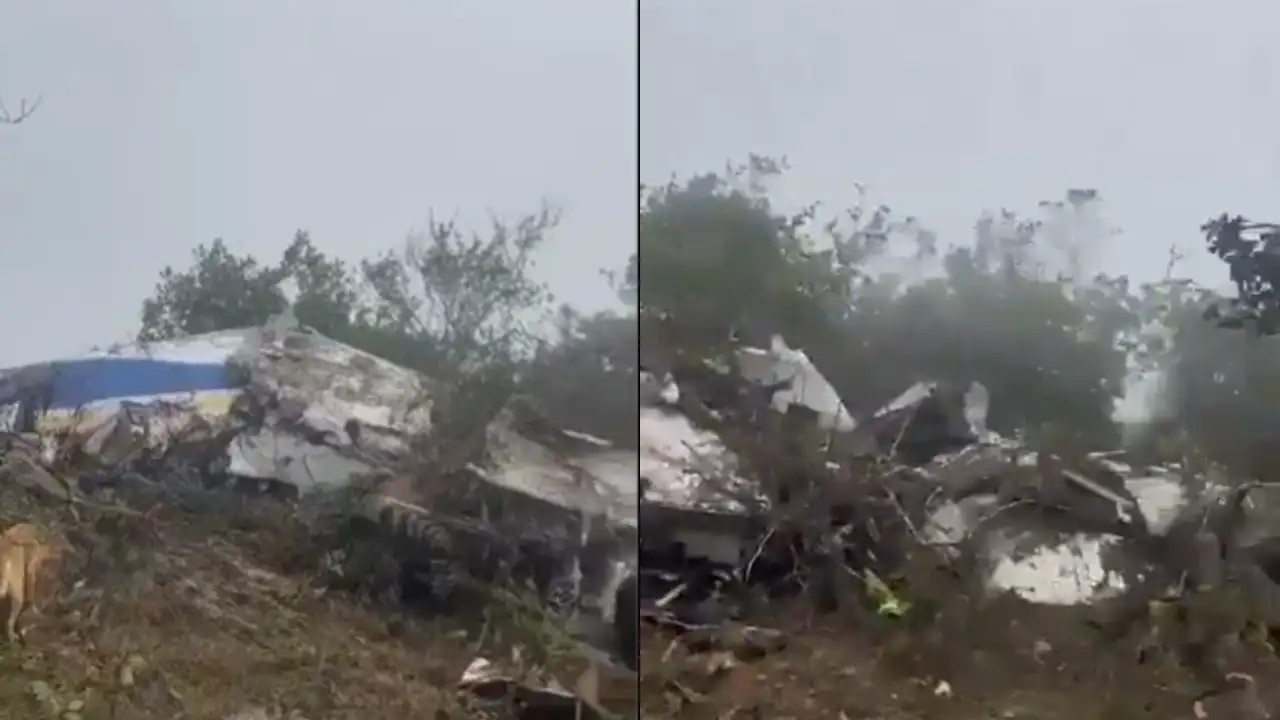
A routine regional flight in northeastern Colombia ended in tragedy when a small passenger aircraft crashed into mountainous terrain, killing all 15 people on board. The accident has sent shockwaves through the country, particularly in the Norte de Santander region, where many of the victims were known for their community and public service work.
The aircraft was operating a short domestic route between the border city of Cúcuta and the town of Ocaña, a journey that typically takes less than an hour by air. Such flights are considered vital in this part of Colombia, where steep mountains, winding roads and security concerns can make overland travel long and difficult. Small turboprop planes frequently serve these routes, acting as lifelines for business travellers, public officials and residents.
According to aviation authorities, contact with the plane was lost shortly after takeoff. Air traffic controllers reportedly attempted to re-establish communication but received no response. Local residents in a rural, mountainous area later reported hearing a loud impact, prompting emergency services to begin search and rescue operations.
Reaching the crash site proved extremely challenging. Dense vegetation, steep slopes and limited road access slowed the progress of rescue crews, who had to travel part of the way on foot. When teams finally reached the wreckage, they confirmed that there were no survivors.
The victims included passengers and crew, among them individuals involved in social and political work in the region. News of their deaths prompted an outpouring of grief from local communities, where several were known for advocating development projects and support for conflict-affected populations. National leaders expressed condolences, describing the loss as a blow not only to families but also to regional initiatives aimed at improving living conditions in historically underserved areas.
Colombia’s civil aviation authority has launched a full investigation into the cause of the crash. Specialists are expected to examine the aircraft’s maintenance history, weather conditions at the time of the flight and possible mechanical or technical failures. Investigators will also analyze flight data and communications records to reconstruct the plane’s final moments.
While Colombia has made significant improvements in aviation safety over the years, accidents involving small aircraft in remote areas still occur, often complicated by difficult terrain and rapidly changing weather patterns. The country’s geography — marked by mountain ranges, jungles and isolated communities — makes air travel both essential and inherently challenging.
In the meantime, recovery teams continue working at the crash site to retrieve remains and gather evidence. Authorities have pledged transparency in the investigation and support for the victims’ families.
For many in the region, the tragedy is a painful reminder of both the importance and the risks of regional air travel. As Colombia mourns, attention now turns to understanding what went wrong and how similar disasters might be prevented in the future.

















Leave a Reply