

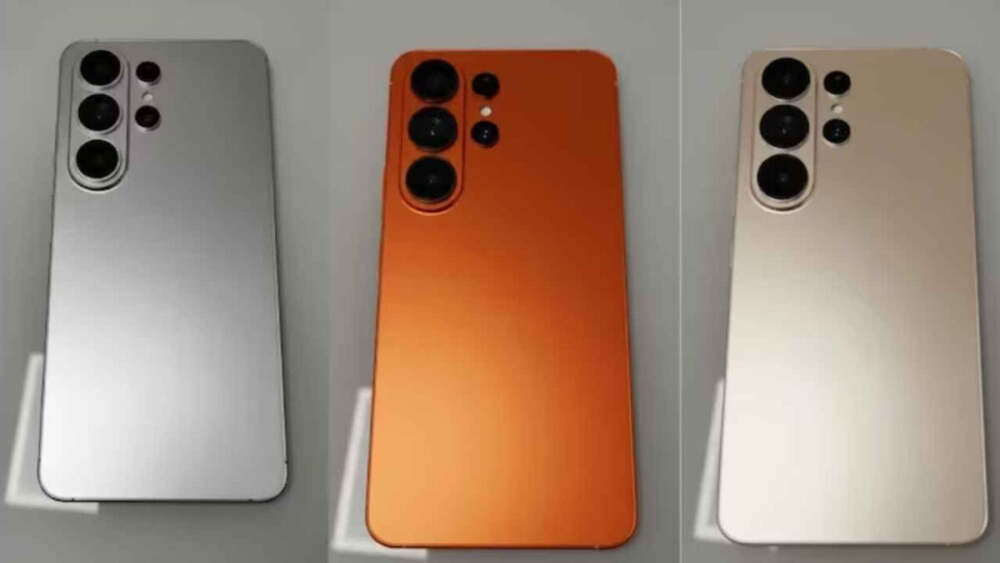
Samsung has unveiled its highly anticipated Galaxy S26 series, and alongside the familiar buzz about cutting‑edge features and upgraded performance, one of the most talked‑about elements is its new pricing strategy. Rather than following the familiar pattern of steadily rising prices at every tier, Samsung has restructured the cost landscape of its flagship phones — increasing the base model’s price while making the top‑end Ultra version more affordable than expected. This shift reflects Samsung’s evolving market strategy and its effort to balance premium innovation with broader consumer appeal.
A Shift in Pricing Philosophy
Historically, Samsung’s smartphone pricing followed a predictable pattern: the base Galaxy S model offered a more accessible entry price, while the Ultra model commanded a significantly higher premium for the most advanced hardware. With the Galaxy S26 lineup, that formula has been recalibrated.
The base Galaxy S26 has a higher starting price compared with its predecessor, raising eyebrows among cost‑conscious consumers. By contrast, the Galaxy S26 Ultra — often viewed as the pinnacle of Samsung’s mobile engineering — now enters the market at a comparatively lower price point than previous Ultra editions.
This unusual flip — a pricier entry‑level model alongside a relatively cheaper flagship Ultra — suggests Samsung is trying to reposition where value is perceived across its product line. The strategy appears aimed at encouraging customers to consider higher‑end models by compressing the price gap between tiers.
What’s New Across the Galaxy S26 Lineup
Beyond pricing, the Galaxy S26 family introduces notable upgrades in hardware and software features across all models:
- Performance Boosts: All three main variants — S26, S26+, and S26 Ultra — are powered by Samsung’s latest generation processors, offering faster performance, improved energy efficiency and enhanced capabilities for gaming, multitasking and AI‑driven tasks.
- Sharper Displays: Samsung continues its legacy of best‑in‑class screens with brighter, more colour‑accurate AMOLED panels that support faster refresh rates and better visibility in outdoor lighting.
- Camera Enhancements: The Galaxy S26 Ultra, in particular, comes equipped with a new multi‑lens camera system that pushes low‑light photography, long‑range zoom and computational photography to new heights. Even the base models see noticeable improvements in image processing and video stabilization.
- Software and AI Features: Samsung’s latest user interface introduces expanded generative AI functions, including context‑aware suggestions and smarter assistant capabilities designed to make common tasks more intuitive.
Why Pricing Matters in 2026
Samsung’s pricing adjustment comes at a moment of increasing price sensitivity among smartphone buyers. With flagship devices from competitors also pushing premium price tags — and with mid‑range offerings narrowing the performance gap — consumers are more selective than ever about what they expect from a top‑tier phone.
By raising the price of the base model, Samsung signals confidence in the value proposition of its core features. At the same time, making the Ultra option more attractive on price reflects a bet that enthusiasts and power users will find the new entry point compelling — potentially driving greater adoption of the premium tier.
Industry analysts interpret Samsung’s move as a response to evolving buyer behaviour: many consumers now prioritise performance and long‑term value over entry‑level affordability. As flagship phones become investments that consumers keep for multiple years, the calculus of price versus performance shifts.
Market Implications and Consumer Choice
This pricing strategy could influence how competitors position their own flagship lines. If Samsung’s Ultra‑focused model gains traction, rival brands may be compelled to rethink how they structure prices across base and premium tiers.
For consumers, the new strategy offers interesting choices:
- Those seeking entry‑level flagship performance will need to weigh the higher cost of the base Galaxy S26 against other options in the market.
- Power users and enthusiasts, who might otherwise be deterred by steep Ultra prices, now have an Ultra‑class device at a more accessible point, potentially increasing the appeal of Samsung’s top tier.
Early Reception and Expectations
Early buzz from tech communities highlights a mixed but intrigued reaction. Some consumers express disappointment at the higher starting price of the base model. Others see value in the recalibrated Ultra pricing, especially given the advanced features it packs at a more competitive cost.
Ultimately, Samsung’s willingness to experiment with pricing signals confidence that demand for high‑end devices remains strong — particularly if those devices deliver leading performance, robust software ecosystems and meaningful enhancements year‑over‑year.
Looking Ahead
As the Galaxy S26 hits the market, all eyes will be on sales performance and consumer feedback. Will Samsung’s revised pricing strategy pay off by driving larger volumes of Ultra‑tier purchases? Or will the higher base price discourage entry‑level buyers?
The answers to these questions may shape not just Samsung’s future strategy but also broader pricing norms across the smartphone industry in 2026 and beyond.











Leave a Reply