


Astronomers are closely tracking an asteroid named 2024 YR4, which has drawn attention for a small but intriguing possibility: it could strike the Moon in 2032. While the likelihood remains low, researchers say that if the impact occurs, it could produce dramatic visual effects and offer a rare scientific opportunity.
A Near‑Earth Visitor with a Lunar Target
Asteroid 2024 YR4, roughly 50–70 meters wide, was discovered in 2024. Its orbit was initially analyzed for potential Earth collisions, but subsequent observations have confirmed it poses no danger to our planet. Current calculations indicate about a 4% chance of colliding with the Moon in December 2032, although this probability could change as more precise observations are made.
The Power of Impact
If the asteroid does strike, the collision would release energy equivalent to millions of tons of TNT, creating a crater approximately 0.5 to 1 kilometer wide. The impact would produce a bright flash of light, potentially visible from Earth if it occurs on the Moon’s dark side, followed by glowing molten rock that could remain visible for hours.
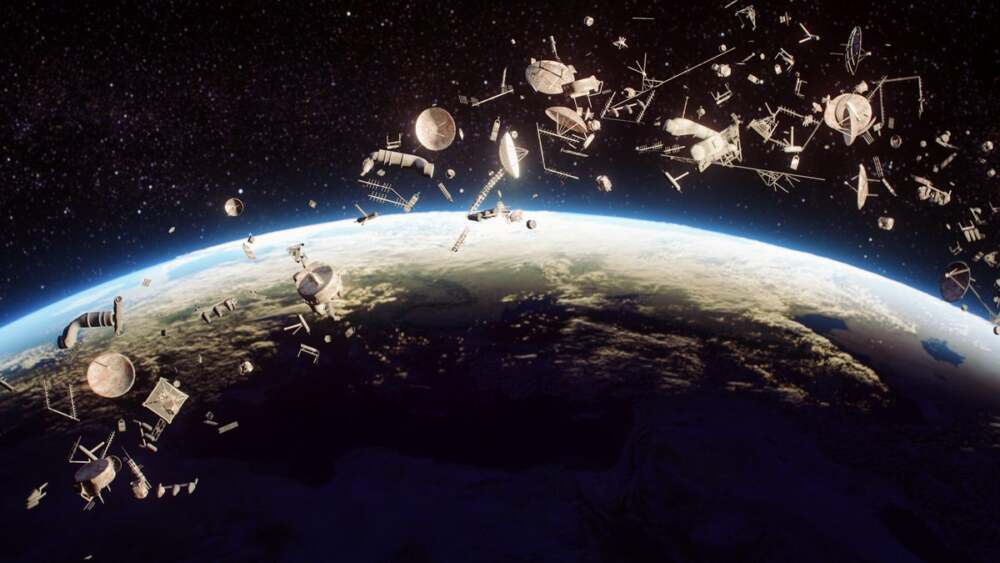
The energy from the strike would also generate strong seismic waves, or “moonquakes,” providing scientists with valuable data about the Moon’s internal structure. A portion of the ejected material could escape lunar gravity, sending debris into space and possibly creating a spectacular meteor shower on Earth days later. These meteors would likely appear slower and longer-lasting than typical meteors, creating a unique celestial display.
Scientific Opportunities
While there is no threat to life on Earth, such an impact would offer astronomers a rare chance to study crater formation and lunar geology in real time. It could also inform future lunar missions, particularly those involving orbiting satellites or surface operations, by highlighting the risks of newly created debris.
Observing this event could significantly enhance understanding of impact processes, from energy transfer to crater morphology and debris dispersal. Scientists consider it a once-in-a-millennium opportunity to directly witness how celestial collisions shape planetary surfaces.
Looking Ahead
As 2032 approaches, astronomers will continue refining the asteroid’s orbit and monitoring its trajectory. Even if 2024 YR4 ultimately misses the Moon, the attention it has drawn underscores the importance of tracking near-Earth objects, both for planetary defense and for the scientific insights they can provide.
The possibility of a lunar strike reminds us that the Moon, often seen as a stable and unchanging neighbor, is still subject to cosmic forces that continue to shape its surface — and occasionally put on a show visible from our own skies.











Leave a Reply