

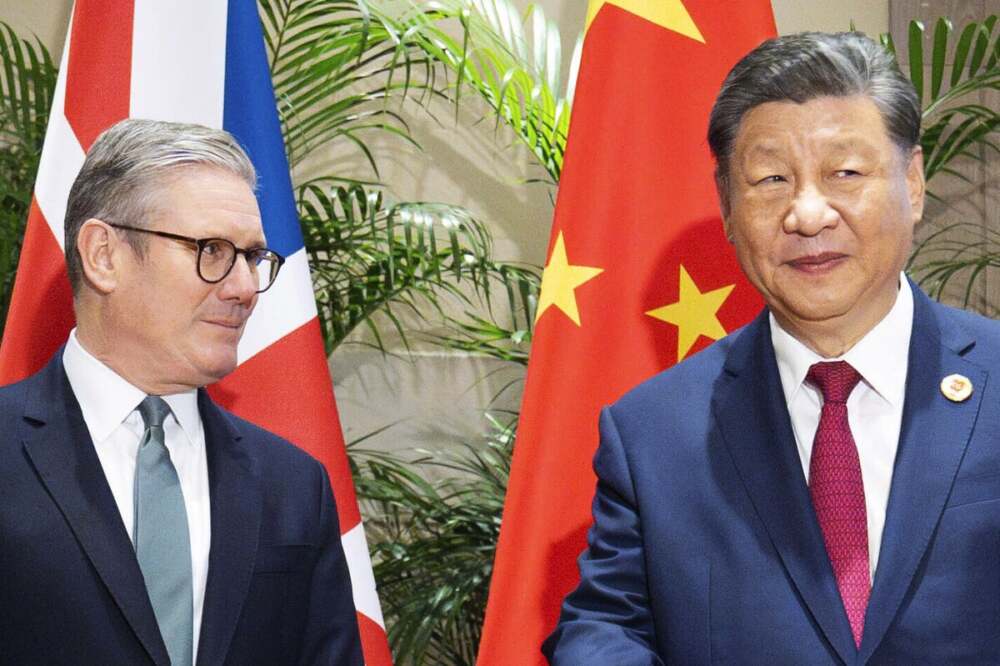
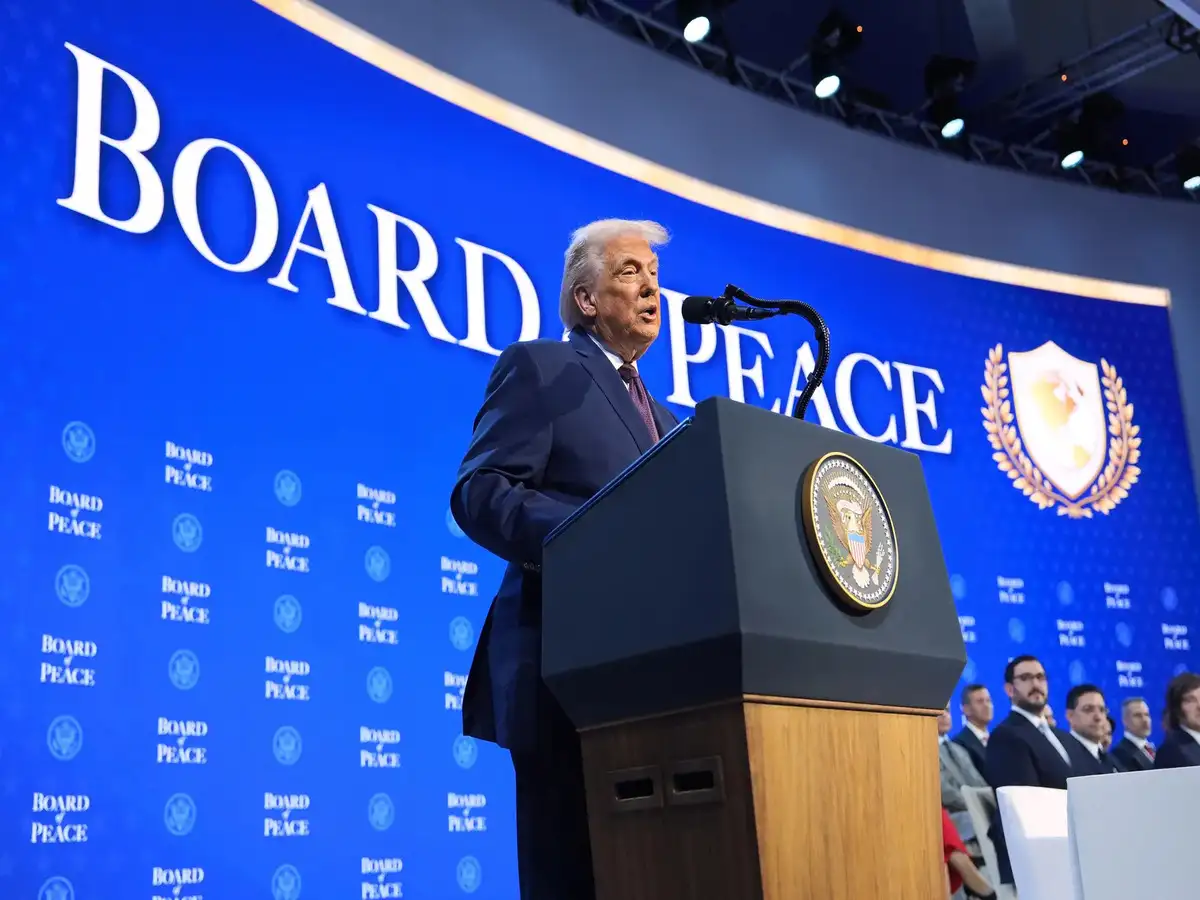
A fresh strain has emerged in transatlantic relations after U.S. President Donald Trump warned that Britain’s expanding economic engagement with China could be “very dangerous,” even as UK Prime Minister Sir Keir Starmer continues a high-profile visit to Shanghai aimed at deepening commercial ties.
Trump’s remarks, delivered to reporters in Washington, underscore a widening policy divide between the United States and some of its closest allies over how to handle relations with Beijing. The U.S. administration has taken an increasingly confrontational stance toward China, citing national security risks, supply chain vulnerabilities, and concerns over technological and military competition. Against that backdrop, Trump’s blunt criticism of London’s outreach signals unease in Washington about partners pursuing closer economic cooperation with the world’s second-largest economy.
The comments come at a delicate moment, as Starmer leads the first visit to China by a British prime minister in years. His trip, which began with meetings in Beijing before moving to Shanghai, is focused heavily on trade, investment, and market access for British firms. The UK government argues that pragmatic engagement with China is essential for economic growth, particularly as Britain looks to strengthen its global trading position in a competitive and uncertain international environment.
During meetings with senior Chinese leaders, British officials highlighted progress on easing trade barriers and expanding opportunities for key export sectors. Industries such as financial services, pharmaceuticals, green technology, and premium food and drink products are expected to benefit from improved market access and regulatory cooperation. Business leaders traveling with the delegation described the visit as an important step toward stabilizing and modernizing the bilateral economic relationship.
Starmer has been careful to frame the trip not as a geopolitical pivot, but as a balanced strategy. He has repeatedly emphasized that the UK’s security and intelligence partnership with the United States remains foundational, while also arguing that disengaging from China entirely would be economically unrealistic. In public remarks, he has suggested that mature diplomacy requires managing differences while still cooperating where interests align, particularly on trade and global challenges like climate change.
British officials have also stressed that Washington was informed in advance about the goals of the visit, an effort to reassure U.S. counterparts that the outreach is transparent rather than a strategic surprise. Still, Trump’s warning highlights the political sensitivity surrounding China policy among Western allies, where economic interests often collide with security concerns.
The episode reflects a broader global debate: how to balance economic opportunity with geopolitical risk in an era of intensifying great-power competition. While the U.S. favors a tougher line designed to limit China’s influence, countries like the UK are trying to walk a tighter diplomatic line — protecting national security while keeping trade channels open.
As Starmer continues meetings in Shanghai with investors and industry leaders, the success of his approach may ultimately be judged not only by signed deals, but by whether Britain can maintain strong ties on both sides of an increasingly divided global landscape.











Leave a Reply