

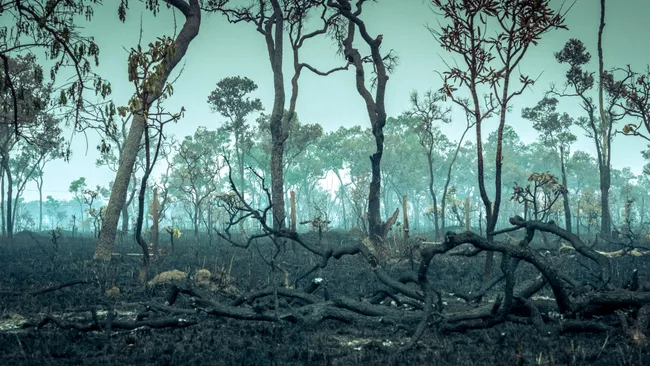
New research indicates that the Amazon rainforest is undergoing a dramatic transition toward a so-called “hypertropical” climate, a change that could have dire consequences for the region’s iconic trees and biodiversity. Scientists warn that this shift may alter rainfall patterns, temperature extremes, and ecological balance, potentially destabilizing one of the planet’s most vital ecosystems.
Understanding the Hypertropical Climate
A hypertropical climate is characterized by extreme humidity, higher temperatures, and more erratic rainfall patterns than the current tropical conditions that sustain the Amazon. These environmental changes strain tree physiology, affect seedling survival, and disrupt the delicate balance between precipitation and evapotranspiration that has historically supported dense rainforest growth.
Researchers highlight that some tree species are particularly vulnerable to heat stress and extended dry spells, which are becoming increasingly frequent. The combination of higher temperatures and shifting rainfall could lead to widespread tree mortality and reduced forest resilience.
Potential Ecological Impacts
- Biodiversity Loss: Many Amazon species are adapted to stable tropical conditions. Rapid climate shifts could endanger plants, mammals, birds, and insects that rely on existing forest structures.
- Carbon Cycle Disruption: The Amazon plays a critical role in absorbing carbon dioxide from the atmosphere. Tree die-off could release significant amounts of carbon, accelerating global warming.
- Hydrological Changes: Rainfall patterns that sustain the rainforest may be disrupted, affecting river flows, soil moisture, and regional weather systems across South America.
Dr. Mariana Silva, an ecologist studying the region, notes, “The hypertropical conditions we are seeing are unprecedented. If the forest cannot adapt quickly enough, we may witness large-scale ecological collapse in parts of the Amazon.”
Human and Global Consequences
The Amazon rainforest is essential not only for regional ecosystems but also for global climate regulation. Its transformation could exacerbate droughts, heatwaves, and food security challenges in South America and beyond. Indigenous communities and local populations who rely on forest resources for subsistence are also at risk, facing threats to agriculture, water supply, and livelihoods.
Looking Forward
Scientists emphasize the urgency of mitigating climate change to slow the shift toward hypertropical conditions. Strategies include forest conservation, reforestation, sustainable land management, and reducing global greenhouse gas emissions. Monitoring and modeling of Amazonian climate trends remain critical to predicting which areas are most vulnerable and guiding conservation efforts.
The transformation of the Amazon serves as a stark reminder of the global stakes of climate change and the need for immediate, coordinated action to preserve the planet’s largest rainforest.













Leave a Reply