

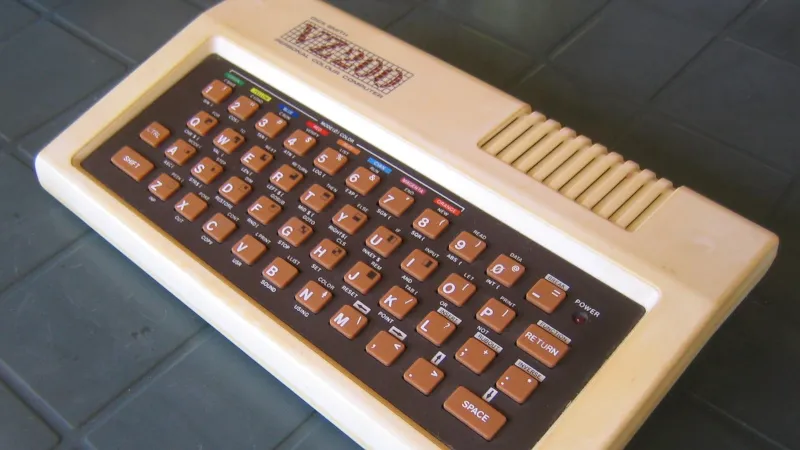
In an era dominated by bulky desktops and high-performance gaming rigs, a growing number of users are turning to minimalist home computers—machines designed to blend functionality, aesthetics, and simplicity. These systems prioritize clean design, efficient use of space, and essential computing capabilities, catering to those who value clarity over complexity.
Core Principles of a Minimalist Home Computer
At its heart, a minimalist computer focuses on three key aspects: compact design, streamlined performance, and essential functionality. Unlike traditional PCs loaded with multiple components, minimalist systems strip away unnecessary hardware, leaving only what is needed for daily tasks like web browsing, document management, streaming, and light productivity.
Hardware Simplified
- Processor & RAM: Modern minimalist PCs often rely on energy-efficient processors with integrated graphics, paired with moderate RAM to handle everyday computing without excess.
- Storage: Solid-state drives (SSDs) are the storage medium of choice for their speed, reliability, and small form factor, often eliminating the need for multiple hard drives.
- Case Design: Sleek, compact cases or even all-in-one solutions reduce clutter, making the computer a natural part of the home environment rather than a conspicuous tower.
Peripherals and Accessories
A minimalist approach extends beyond the computer itself. Keyboards, mice, and monitors are selected for functionality and simplicity, often favoring wireless options to reduce cable clutter. Some setups integrate docking stations or USB hubs to keep devices organized while maintaining a clean workspace.
Software Efficiency
Minimalist home computers emphasize operating systems and applications that are lightweight and focused. Users tend to favor cloud-based productivity tools, simple media applications, and streamlined interfaces that avoid the distractions of unnecessary bloatware.
Benefits of Minimalist Computing
- Space-Saving: Smaller footprints make minimalist computers ideal for apartments, shared spaces, or work-from-home setups.
- Energy Efficiency: Less hardware and optimized software mean lower power consumption, making them environmentally friendly.
- Aesthetics: Clean lines, muted colors, and compact builds contribute to an uncluttered, visually calming workspace.
- Ease of Maintenance: Fewer components mean fewer points of failure, simplifying troubleshooting and upgrades.
Minimalist home computers are not about sacrificing performance; rather, they are about smartly balancing needs with simplicity. For those who want an elegant, functional, and stress-free computing experience, these systems offer a modern alternative to the traditional desktop ecosystem.










Leave a Reply