

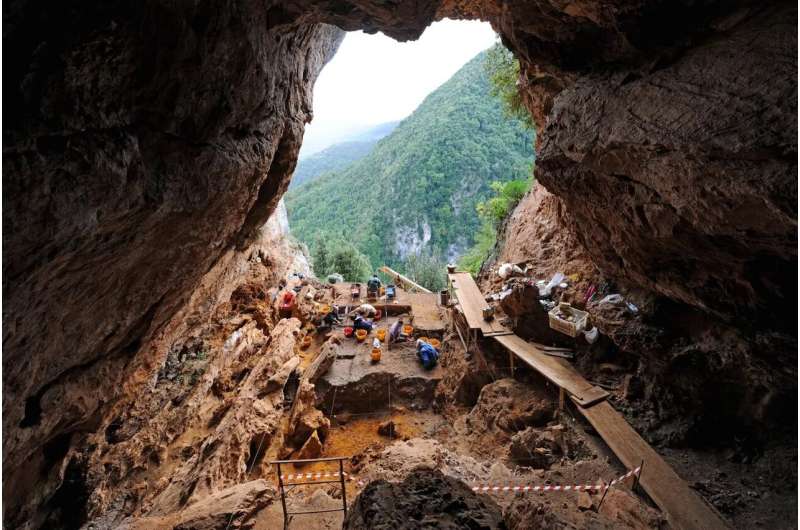
A groundbreaking study analyzing Bronze Age DNA from Calabria, southern Italy, has revealed the existence of a distinct mountain community with unique genetic traits. The research offers fresh insights into how isolated populations in rugged terrains lived, interacted, and evolved thousands of years ago.
Unearthing the Past Through DNA
Archaeologists and geneticists collaborated to examine skeletal remains from several Bronze Age sites in Calabria. Using advanced genomic sequencing techniques, they were able to reconstruct the genetic profiles of individuals who lived in the region over 3,000 years ago. The results indicate that the mountain communities were not only physically isolated but also genetically distinct from surrounding lowland populations.
A Unique Mountain Population
The DNA analysis revealed subtle but significant differences in ancestry compared to neighboring populations in southern Italy. These findings suggest that the inhabitants of Calabria’s mountainous areas maintained a level of social and reproductive isolation, potentially due to geographic barriers or cultural practices. This isolation contributed to the formation of a distinct genetic signature that persisted for generations.
Researchers also discovered signs of local adaptation to mountainous environments, including genes linked to diet, metabolism, and disease resistance, reflecting how human populations tailored themselves to specific ecological niches.
Implications for Bronze Age Studies
This discovery challenges previous assumptions that Bronze Age populations were highly interconnected. Instead, it highlights the complexity of human societies, showing that pockets of isolation could coexist alongside more connected regions. These findings provide valuable context for understanding migration patterns, cultural transmission, and community structures in prehistoric Italy.
Looking Ahead
Future studies aim to compare the Calabria genomes with other contemporaneous populations across the Mediterranean, which could further illuminate trade networks, migration, and the spread of technological innovations during the Bronze Age.
Conclusion
The Bronze Age DNA from Calabria offers a remarkable glimpse into a resilient and distinct mountain community. By combining archaeology with genetic science, researchers are piecing together the intricate story of how ancient humans adapted to and thrived in challenging landscapes.













Leave a Reply