

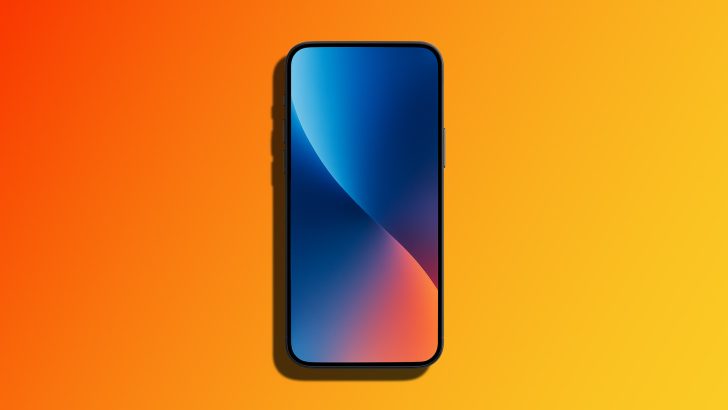
Apple is reportedly preparing to unveil its iPhone 20 with groundbreaking design features that could redefine the smartphone experience. Sources suggest the new model will incorporate a four-sided bending design paired with a fully bezel-less display, marking a significant leap in both aesthetics and functionality.
Revolutionary Design
The iPhone 20 is expected to push the boundaries of industrial design with its flexible frame, allowing the display to curve along all four edges of the device. Unlike traditional smartphones, which typically feature slight curvature on the sides or top, this four-sided bending design aims to create a more immersive visual experience while enhancing ergonomics.
The fully bezel-less display will extend edge-to-edge without visible borders, giving users an uninterrupted screen for media consumption, gaming, and productivity. Early design mock-ups suggest that front-facing cameras and sensors will be seamlessly integrated under the display, removing the need for notches or punch-holes.
LG’s Major Production Investment
The ambitious design has required significant adjustments to the production line. Reports indicate that LG Display is investing nearly $300 million to upgrade facilities capable of handling the iPhone 20’s complex screen architecture. This includes new machinery for bending, reinforcement of flexible display materials, and improved quality control measures to ensure durability and performance.
The overhaul also involves specialized equipment for precise bonding and lamination, as well as enhanced inspection systems to detect micro-defects. Industry insiders suggest that the investment reflects Apple’s commitment to maintaining premium build quality, even as production challenges increase.
Implications for the Smartphone Market
The iPhone 20’s unique design positions Apple at the forefront of smartphone innovation, potentially setting a new standard for competitors. If successful, the combination of a fully bezel-less display and flexible frame could influence design trends across the industry, prompting rivals to explore similar engineering solutions.
Experts note that while flexible and curved displays are not entirely new, implementing them on all four sides of a mass-market device presents unprecedented technical challenges. Consumer response will likely depend on both the durability of the new design and the perceived improvement in usability.
Anticipated Features and Technology
Beyond the design overhaul, the iPhone 20 is expected to include:
- Advanced camera systems with AI-enhanced photography.
- Next-generation processors for faster performance and energy efficiency.
- Improved battery technology to accommodate the demands of a larger, edge-to-edge display.
- Enhanced connectivity features, including 6G support, under-display Face ID, and more immersive haptics.
Apple is reportedly finalizing prototypes, with mass production slated to begin after LG completes its production line upgrades. Analysts suggest that the company may announce the device in late 2026, targeting early adopters and premium consumers.
Market and Consumer Expectations
If Apple delivers on the promised design and technology, the iPhone 20 could redefine flagship smartphones. Analysts predict that early reviews will focus heavily on screen durability, handling comfort, and the practicality of the fully bezel-less display.
For LG, the investment represents not only a major contract win but also a strategic opportunity to showcase its capabilities in flexible display technology, potentially attracting other major clients in the premium electronics space.
Looking Ahead
The iPhone 20 underscores Apple’s commitment to innovation, merging cutting-edge industrial design with advanced display engineering. As the release approaches, the smartphone industry and consumers alike will be closely watching whether Apple can turn its ambitious vision into a durable, high-performing reality.














Leave a Reply