

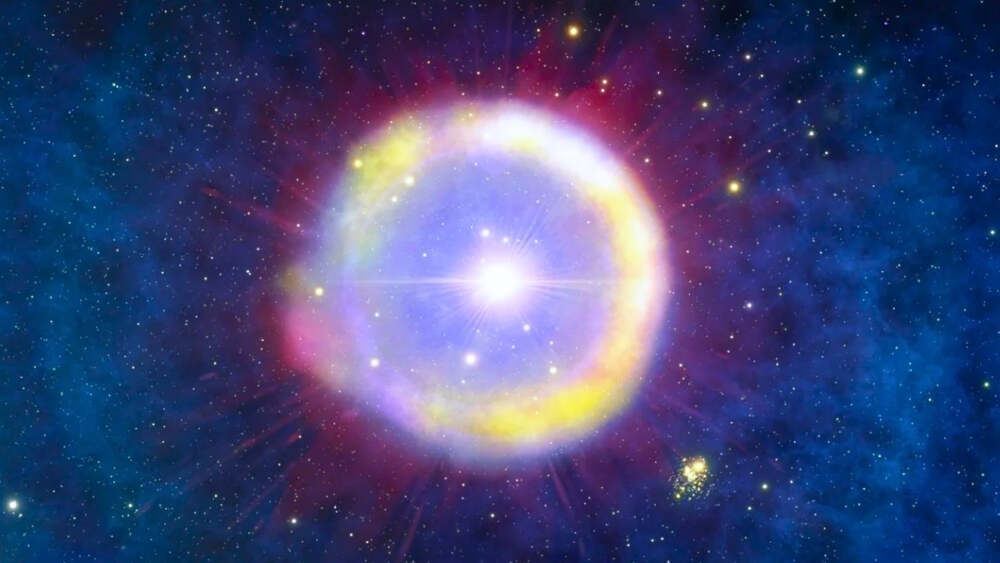
In a groundbreaking discovery, astronomers report potential evidence of “monster stars” forming during the universe’s earliest epochs. These colossal celestial bodies, thought to have existed shortly after the Big Bang, could shed light on the origins of galaxies, black holes, and the chemical elements that make up the cosmos today.
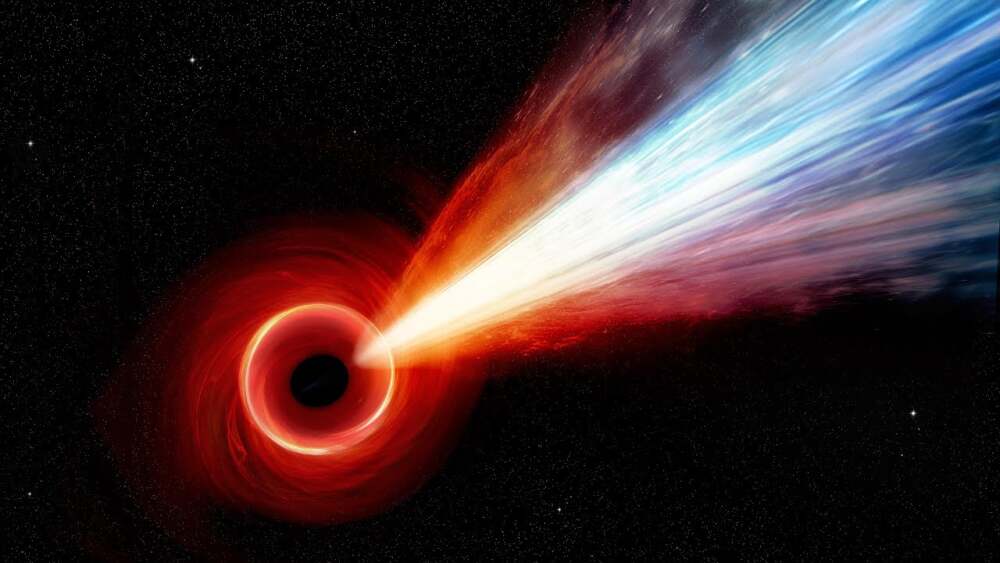
“Monster stars” are theorized to be far more massive than any star seen in the modern universe, with masses hundreds of times that of our Sun. Their formation is believed to have occurred in a pristine environment, devoid of heavy elements, allowing gas clouds to collapse into enormous stars before radiation pressure could halt growth. Because of their extreme mass, these stars would have had short lifespans, burning through their fuel in just a few million years before collapsing into black holes or exploding as supernovae.
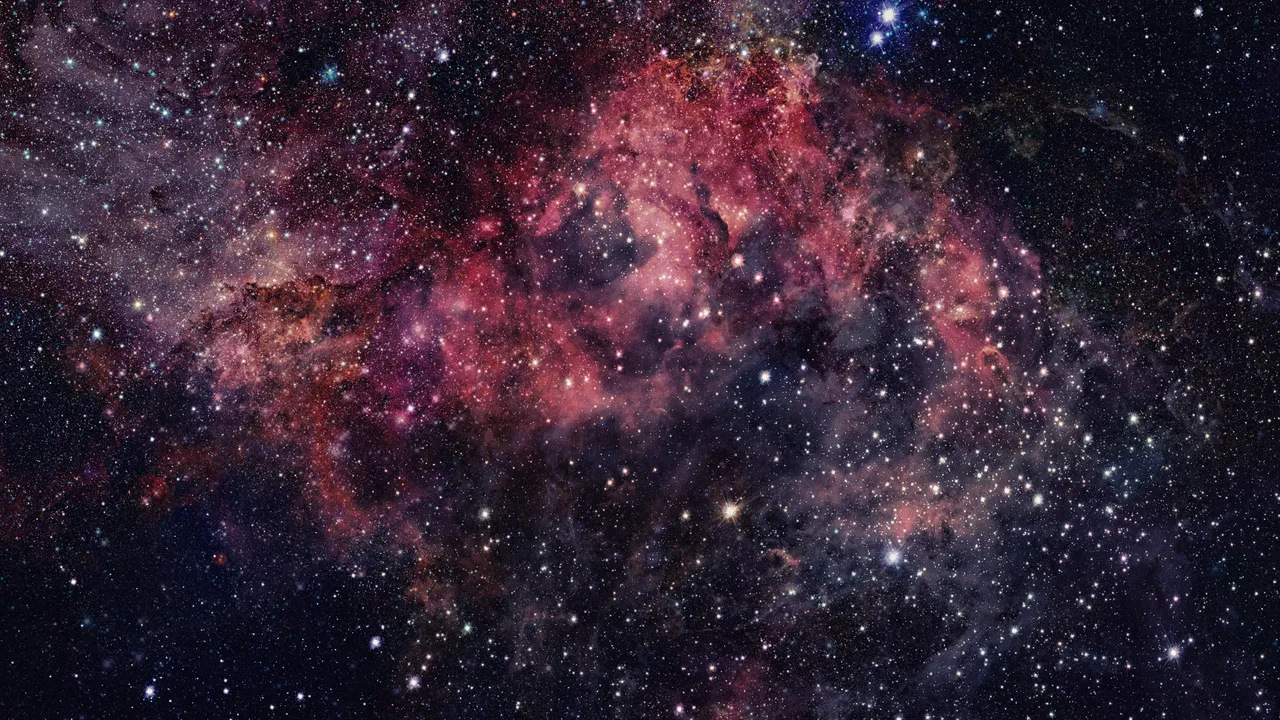
The recent observations come from deep-space telescopes capable of peering back billions of years, capturing light emitted less than a billion years after the Big Bang. Researchers focused on faint galaxies exhibiting unusually high levels of ultraviolet radiation and chemical signatures indicative of massive stars. These early glimpses suggest that such “monster stars” could have played a pivotal role in reionizing the universe and seeding galaxies with the first heavy elements.
Scientists are particularly excited because the detection of these early stars has long been a theoretical challenge. Direct observations have been nearly impossible due to their immense distance and brief lifespans. The latest data, combining spectral analysis and computational modeling, provides the most compelling evidence yet that these massive stars once existed, offering a rare glimpse into the universe’s formative years.
Understanding “monster stars” has implications beyond astronomy. Their formation and death likely influenced the growth of supermassive black holes, which anchor modern galaxies, and contributed to the distribution of elements like carbon, oxygen, and iron—the building blocks of planets and life. Researchers hope that further studies will refine our understanding of how these stars affected the early cosmic environment and set the stage for galaxy evolution.
The discovery also underscores the power of next-generation space telescopes, which can detect faint light from distant corners of the universe with unprecedented clarity. Astronomers plan to continue scanning the early universe for additional evidence of these massive stars, aiming to confirm their properties and understand their frequency in the first billion years after the Big Bang.
While much remains to be explored, the potential identification of “monster stars” opens a new window into cosmic history. By studying these celestial giants, scientists hope to unravel mysteries surrounding the universe’s birth, the formation of the first galaxies, and the origins of elements that eventually gave rise to stars, planets, and life itself.







Leave a Reply