

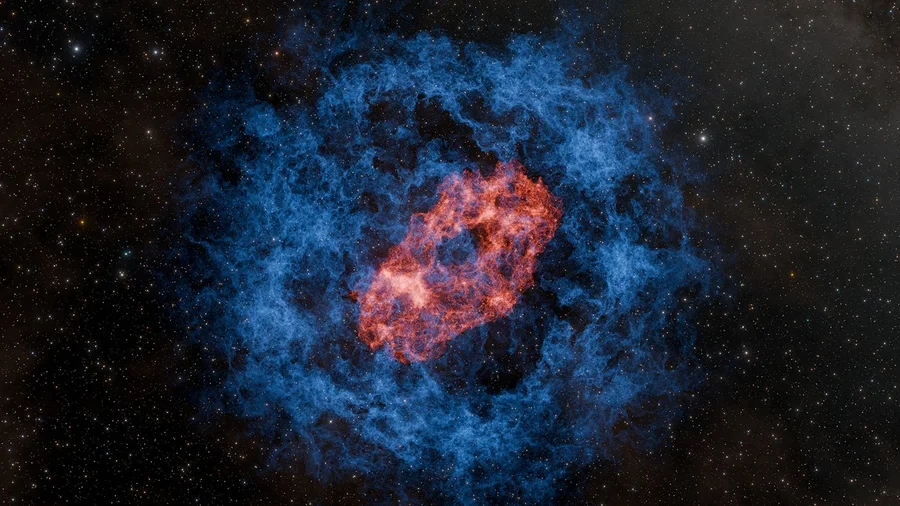
In a groundbreaking discovery, astronomers report the possible observation of the first known “superkilonova”, a cosmic explosion resulting from the collision of two neutron stars. If confirmed, this event could provide unprecedented insights into the formation of heavy elements, gravitational waves, and the most extreme physics in the universe.
What is a Superkilonova?
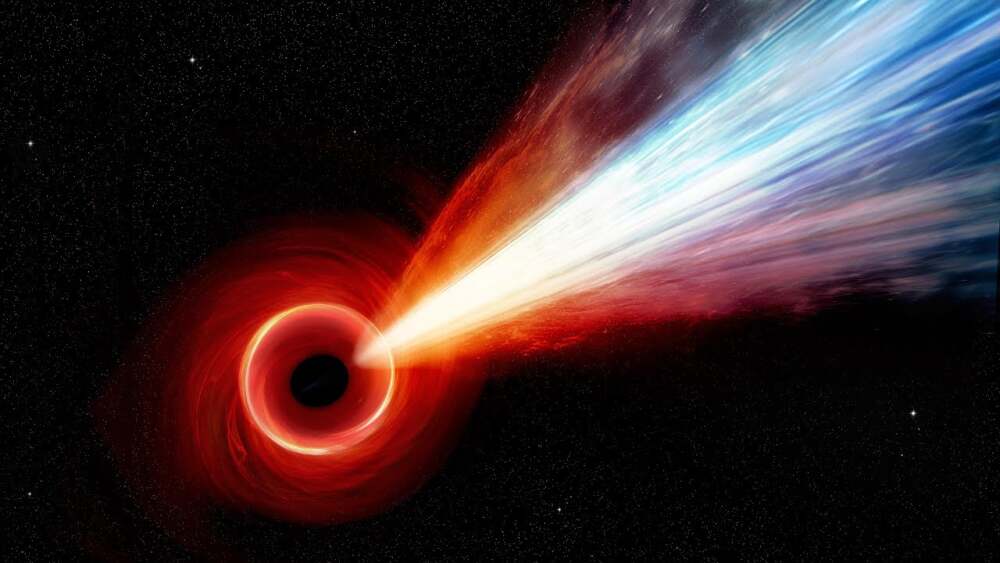
A superkilonova is theorized to occur when two dense neutron stars merge, producing a colossal explosion far more powerful than a typical kilonova. Unlike standard supernovae—which result from the death of massive stars—superkilonovae generate enormous amounts of heavy elements, such as gold and platinum, and emit both electromagnetic radiation and gravitational waves detectable across vast cosmic distances.
Dr. Arjun Patel, an astrophysicist involved in the observation, explained, “A superkilonova is essentially a hyper-powered kilonova. The energy release is immense, and the event gives us a rare laboratory to study matter under conditions that cannot be replicated on Earth.”
How It Was Detected
The potential superkilonova was identified using a combination of space-based telescopes, optical observatories, and gravitational wave detectors. Researchers first noticed a bright, short-lived burst of light accompanied by unusual spectral signatures indicative of heavy element formation. Simultaneously, gravitational wave observatories picked up ripples consistent with the merger of two neutron stars.
The combination of electromagnetic and gravitational wave data strengthens the case for this being a superkilonova, marking it as one of the most extreme and energetic events ever observed.
Why It Matters
- Element Formation: Superkilonovae are thought to be responsible for creating significant portions of the universe’s heavy elements, including gold and platinum.
- Gravitational Wave Science: Observing such an event allows scientists to study gravitational waves in unprecedented detail, refining models of how these cosmic ripples propagate.
- Extreme Physics: The merger of neutron stars offers a glimpse into matter under conditions of ultra-high density and intense magnetic fields, providing critical tests for theoretical physics.
The Next Steps
Astronomers worldwide are now coordinating follow-up observations to track the fading light of the explosion and analyze the chemical signatures. This data will help confirm whether the event truly qualifies as a superkilonova and reveal the mechanisms powering such a rare phenomenon.
If confirmed, this discovery would mark a milestone in astrophysics, opening new windows into the life cycle of stars, the creation of elements, and the violent dynamics of the cosmos.








Leave a Reply