

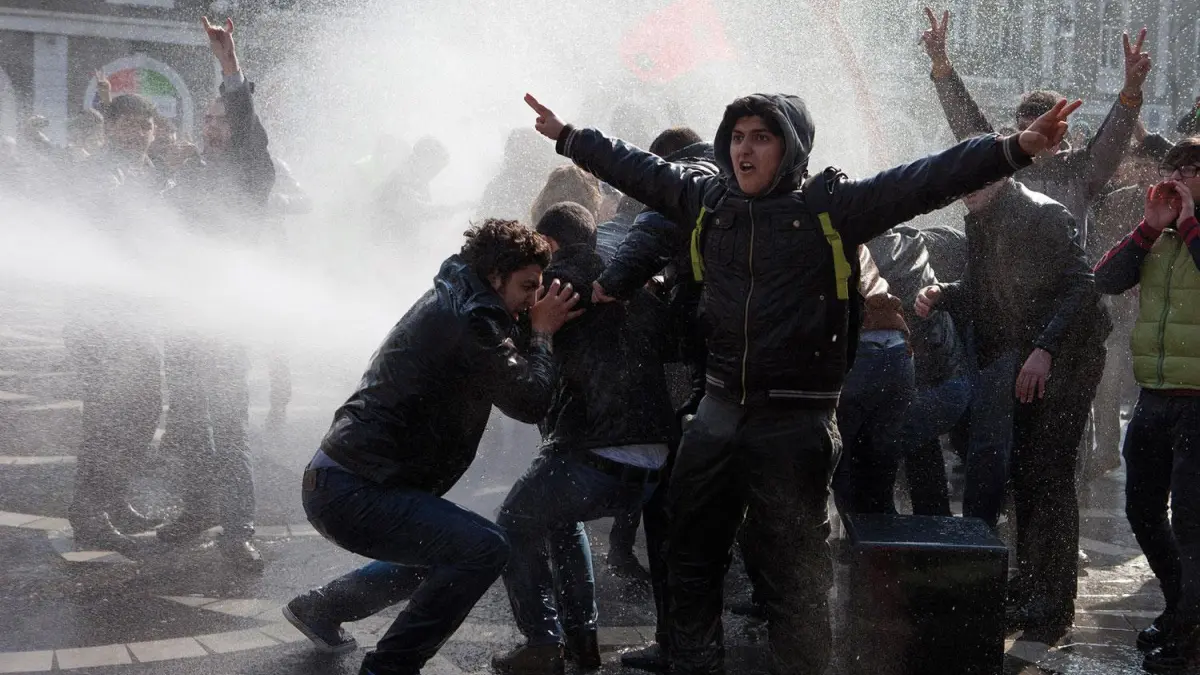
Azerbaijan has ordered the British Broadcasting Corporation (BBC) to shut down its local operations in the capital city of Baku, a move that has intensified international concern over the country’s deteriorating record on media freedom. The decision marks a significant setback for independent journalism in the South Caucasus nation, where authorities have steadily tightened control over domestic and foreign news outlets.
According to the BBC, the closure followed a directive from Azerbaijani authorities instructing the broadcaster to cease its on-the-ground activities. The organization described the decision as deeply disappointing, noting that it significantly limits its ability to provide accurate, impartial reporting from within the country. The BBC’s Azerbaijani-language service had built a substantial audience over the years, reaching hundreds of thousands of people each week with news coverage, analysis, and investigative reporting.
Government officials in Baku defended the move by citing regulatory and legal considerations. They argued that foreign media organizations should not operate local offices under current rules and framed the decision as part of a broader policy of “reciprocity” in international media relations. Authorities have indicated that while the BBC’s bureau would be closed, limited reporting may still be possible through a single accredited correspondent.
Media rights groups, however, see the shutdown as part of a broader and more troubling pattern. In recent years, Azerbaijan has introduced stricter media laws and increased pressure on journalists who report critically on government policies, corruption, or human rights issues. Independent local outlets have faced raids, arrests of staff members, and legal cases that critics say are designed to silence dissenting voices.
The removal of a major international broadcaster from Baku further narrows the flow of independent information available to the public. Analysts warn that without foreign media operating freely inside the country, coverage of sensitive topics such as elections, governance, and regional security will increasingly rely on state-aligned sources. This risks creating an information environment where alternative perspectives are marginalized or excluded entirely.
International reaction to the BBC’s closure has been swift. Press freedom advocates argue that restricting well-established global media organizations damages Azerbaijan’s global standing and undermines commitments to freedom of expression. They also stress that independent journalism plays a vital role in promoting transparency, accountability, and informed public debate.
The timing of the decision has also drawn attention. Azerbaijan has sought to project an image of stability and modernity on the global stage, particularly as it plays a strategic role in regional energy markets and geopolitics. Critics say actions like forcing foreign media outlets to leave send the opposite message, raising questions about openness and democratic norms.
For the BBC, the closure represents more than the loss of a bureau. It signals growing challenges for international journalism in environments where governments increasingly seek to control narratives and restrict scrutiny. While the broadcaster has stated it will continue reporting on Azerbaijan from outside the country, the absence of a local presence limits access to firsthand information and on-the-ground perspectives.
As Azerbaijan moves forward with tighter media controls, observers warn that the long-term consequences could include reduced public trust, diminished transparency, and further isolation of the country’s media landscape. The closure of the BBC’s Baku operations stands as a stark example of the pressures facing independent journalism in an increasingly constrained global media environment.







Leave a Reply