

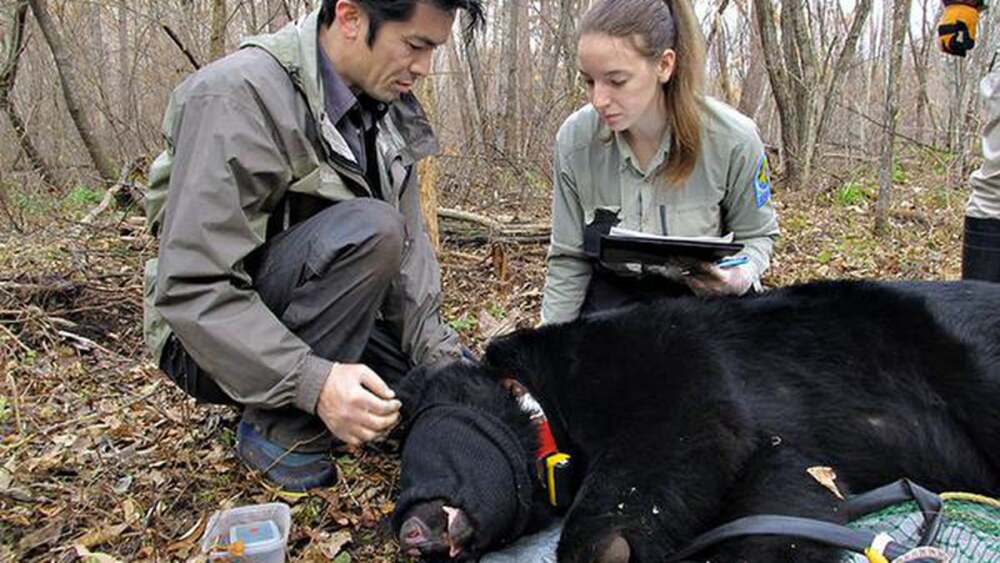
Japan is currently grappling with a surge in human-bear encounters after two alarming incidents occurred within a short span of time. One involved a bear entering a supermarket in Gunma Prefecture, injuring two elderly men, while a separate event in a forested region resulted in the suspected fatal mauling of a man. These events have brought attention to the delicate balance between wildlife conservation and public safety in regions where human activity increasingly overlaps with natural habitats.
Supermarket Incident in Gunma
In Numata, Gunma Prefecture, shoppers experienced chaos when a bear entered a local grocery store. Security cameras captured the animal roaming freely among aisles, including sections with fresh food, prompting panic among customers and staff. Two elderly men sustained injuries during the fracas, and although the bear did not cause any fatalities, the incident left the community shaken.
Authorities responded rapidly, deploying wildlife control teams to tranquilize and remove the bear safely. This type of urban wildlife intrusion, while rare, is becoming more frequent as bears seek food sources in human-populated areas. Experts note that bears are highly adaptable and may venture into towns or commercial areas during seasons when natural food is scarce.
Fatal Mauling in Forested Area
Separately, a man was found dead in a forested region, with preliminary investigations pointing to a bear attack as the likely cause. The individual had been reported missing, and the discovery of the body highlighted the potential dangers faced by those venturing into bear-populated wilderness areas. While authorities continue to investigate, the incident has amplified public concern about the increasing frequency of bear-related accidents in Japan.
Factors Driving Rising Bear Encounters
Several factors contribute to the increase in human-bear conflicts in Japan:
- Habitat Encroachment: Expanding towns, roads, and agricultural areas reduce the natural living space for bears, forcing them into human-inhabited zones.
- Food Shortages: Seasonal fluctuations and environmental changes can lead to a scarcity of natural food sources, prompting bears to seek alternative sustenance in towns and markets.
- Population Dynamics: Bear populations in certain regions have grown due to conservation efforts, resulting in more frequent human encounters.
Experts warn that these factors, combined with increased outdoor recreational activities, create a higher risk of incidents ranging from property damage to life-threatening attacks.
Safety Recommendations for Residents and Tourists
Authorities have issued guidance to reduce the likelihood of dangerous encounters:
- Avoid Solo Activities in Bear-Prone Areas: Hiking or camping alone increases vulnerability.
- Carry Deterrents: Bear spray or noise-making devices can help prevent close encounters.
- Secure Food: Store food in sealed containers while camping or picnicking to avoid attracting wildlife.
- Stay Alert and Make Noise: Announcing your presence can reduce the chance of startling a bear.
- Report Sightings Promptly: Early warnings can help wildlife authorities manage potential threats.
Local authorities are also increasing patrols in high-activity zones, placing bear traps where sightings are frequent, and coordinating with wildlife experts to monitor bear movements and behavior.
The Broader Challenge
These incidents underscore the broader challenge Japan faces in balancing human safety with wildlife conservation. Bears play a vital role in the ecosystem, and conservation efforts have helped restore their populations in recent decades. However, the growing overlap between human activity and bear habitats necessitates stronger management strategies, public education, and emergency response planning.
Communities affected by recent attacks are calling for more proactive measures, including better fencing, warning systems, and community preparedness programs. The goal is to minimize conflicts while maintaining Japan’s commitment to wildlife protection.
Looking Ahead
As Japan navigates this growing human-wildlife conflict, the focus remains on prevention and preparedness. Officials emphasize that with proper planning, education, and timely interventions, future incidents can be mitigated. The recent supermarket attack and fatal mauling serve as urgent reminders of the need for vigilance, responsible outdoor practices, and comprehensive wildlife management strategies to ensure both human safety and the continued conservation of Japan’s native bear populations.

















Leave a Reply