

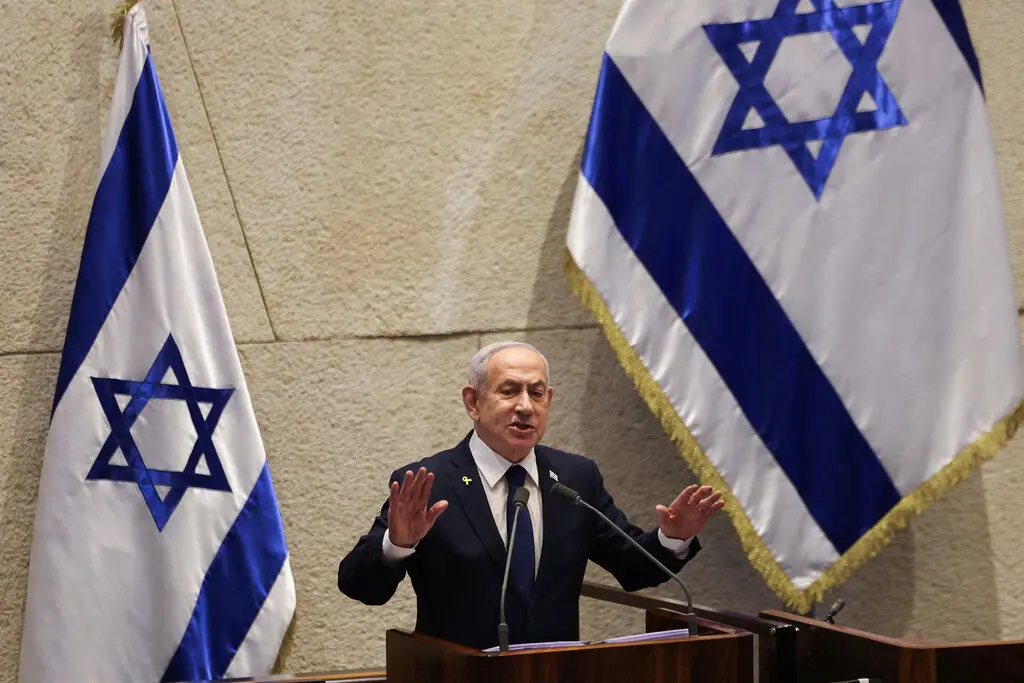
In a stunning development that has sent shockwaves through Israel’s political landscape, Prime Minister Benjamin Netanyahu has formally requested a presidential pardon as he faces mounting legal pressures and deepening political isolation. The move marks a dramatic turning point in a years-long saga defined by corruption allegations, courtroom battles, and one of the most polarized eras in Israeli politics.
A Bid for Legal Relief
Netanyahu’s request centers on halting the ongoing corruption trial that has shadowed his leadership. The charges—which include bribery, fraud, and breach of trust—have long been denied by the prime minister, who has argued they are part of a politically motivated campaign aimed at removing him from power. Despite his insistence on innocence, the courtroom proceedings have continued, with testimony from high-profile witnesses steadily stacking against him.
Seeking a pardon from Israel’s president represents an extraordinary step rarely taken by sitting leaders. While the presidency is largely ceremonial, the office holds the constitutional authority to grant pardons, raising profound questions about the separation of powers and the future of Israel’s justice system.
Political Fallout and National Reaction
The request has triggered a fierce nationwide debate. Supporters of Netanyahu view the pardon appeal as a necessary move to stabilize the country during a period of heightened regional insecurity and domestic polarization. They argue that ongoing legal battles distract from governance and compromise national resilience.
Opponents, however, warn that granting a pardon would undermine the rule of law and legitimize political immunity. Critics within the opposition and even some voices inside Netanyahu’s own political bloc worry that such a precedent could erode public trust in democratic institutions.
Mass demonstrations are expected in major Israeli cities as civil society groups mobilize supporters from across the political spectrum. Legal experts, meanwhile, are divided. Some say the president has the authority and discretion to grant the request, while others maintain that doing so while the prime minister remains in office would violate constitutional ethics.
A Critical Moment for Israel’s Leadership
This unprecedented appeal comes at a time of heightened tension both within Israel and across the region. Ongoing security concerns, shifting alliances, and domestic unrest have put extraordinary pressure on Netanyahu’s government.
If the pardon is granted, Netanyahu could sidestep a legal process that has dragged on for years and regain firm authority within his coalition. If denied, he may be forced to navigate the trial’s potentially damaging revelations while continuing to run the country.
What Happens Next
The president’s office has acknowledged receipt of the request but has not indicated a timeline for the decision. Behind closed doors, legal advisers and political strategists are preparing for a watershed moment that may reshape Israeli politics for years to come.
Whether seen as a legitimate plea or a last-ditch effort to avoid conviction, Netanyahu’s push for a presidential pardon marks one of the most consequential events in Israel’s modern political history.









Leave a Reply