

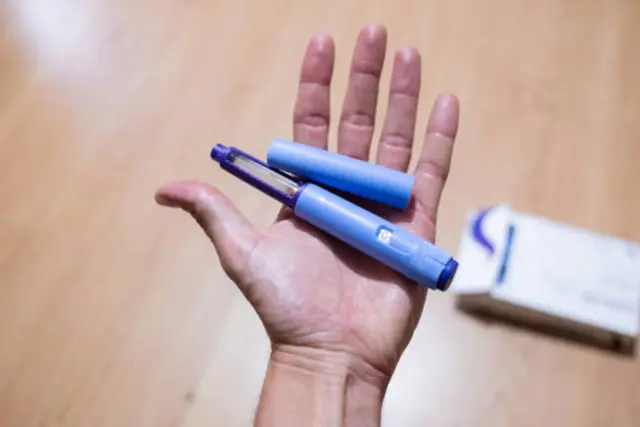
A new wave of lawsuits has emerged against pharmaceutical companies producing GLP-1 receptor agonists, including Ozempic, alleging that the drugs may cause serious vision problems, including blindness. This development represents the second major mass litigation over GLP-1 drugs, following earlier lawsuits related to side effects such as gastrointestinal complications and heart-related issues.
The Allegations
Plaintiffs claim that long-term use of GLP-1 medications—commonly prescribed for type 2 diabetes and obesity management—can lead to retinopathy, vision deterioration, and in severe cases, blindness.
Key claims in the lawsuits include:
- Insufficient warnings: Plaintiffs argue that drug labels failed to adequately disclose potential ocular risks.
- Negligence in monitoring: Alleged lack of proper post-market surveillance or warnings for at-risk patients.
- Corporate liability: Companies are being accused of prioritizing sales over patient safety.
While the FDA has not issued formal alerts connecting GLP-1 drugs directly to blindness, lawyers and affected patients point to emerging studies and case reports suggesting a potential link.
Background on GLP-1 Drugs
GLP-1 receptor agonists, including Ozempic, Wegovy, and other related medications, have become widely prescribed for their ability to:
- Improve blood sugar control in type 2 diabetes
- Promote weight loss in individuals with obesity
- Reduce risk factors for cardiovascular disease
Despite these benefits, the drugs are known to cause side effects such as nausea, vomiting, pancreatitis, and gallbladder issues. The new lawsuits now allege that ocular complications may also be a serious, underreported risk.
Legal Landscape
This second wave of litigation mirrors prior mass actions over GLP-1 drugs, where patients sought compensation for gastrointestinal and cardiovascular side effects. Legal experts suggest that the emergence of blindness claims could significantly broaden the scope of liability, potentially involving thousands of plaintiffs.
The lawsuits are likely to focus on:
- Scientific evidence: Whether clinical trials adequately assessed ocular risks
- Labeling practices: How clearly companies disclosed known and potential side effects
- Corporate responsibility: The role of marketing and risk communication in patient safety
If successful, these lawsuits could trigger major settlements or court judgments, reshaping how pharmaceutical companies manage risk and communicate safety information for GLP-1 medications.
Medical Community Response
Medical professionals are monitoring the claims closely. Some endocrinologists emphasize that current evidence linking GLP-1 drugs to blindness is limited, while others recommend enhanced screening for high-risk patients, especially those with pre-existing diabetic retinopathy.
Dr. Amanda Li, a diabetes specialist, stated, “These drugs remain effective for many patients, but emerging concerns should remind physicians to closely monitor eye health during treatment.”
Looking Ahead
As lawsuits progress, pharmaceutical companies may face heightened scrutiny over the safety of GLP-1 drugs, leading to revised warnings, increased patient monitoring, and potential reformulations. For patients currently taking these medications, experts stress:
- Do not stop medication abruptly without consulting a healthcare provider
- Schedule regular eye exams if on GLP-1 therapy, particularly for long-term users
- Report any visual changes promptly to a medical professional
The unfolding litigation highlights the delicate balance between medical innovation and patient safety, underscoring the importance of vigilance, transparency, and evidence-based prescribing.
















Leave a Reply