

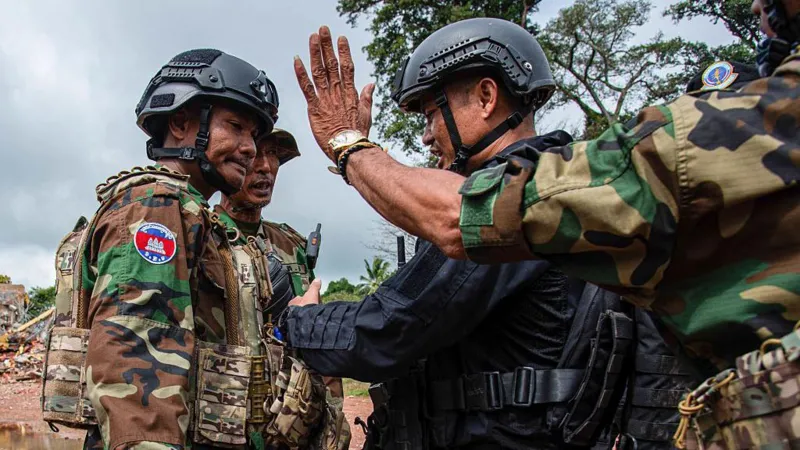
Tensions have erupted once more along the Thailand–Cambodia border, raising fears of a broader conflict only months after a ceasefire was negotiated with the involvement of former U.S. President Donald Trump. The renewed clashes highlight how fragile the truce always was — and how deeply rooted the border dispute remains.
For decades, both countries have disagreed over sections of the frontier, particularly around ancient temples and highland territories where colonial-era maps left ambiguous boundary lines. These unresolved historical claims have repeatedly fueled nationalism, military buildups, and periodic outbreaks of violence.
The fragile peace unraveled in November when a landmine explosion severely injured Thai soldiers patrolling a contested area. Thailand accused Cambodia of laying new mines in violation of the ceasefire and international mine-ban rules. Cambodia firmly denied the accusations, insisting that any remaining explosives were remnants of older conflicts and not part of any new operation.
The incident shattered what little trust existed between the two sides. Thailand responded by suspending key parts of the ceasefire agreement, including commitments to withdraw troops, remove heavy weaponry, and cooperate on de-mining operations. Without these safeguards, the border zone rapidly re-militarized.
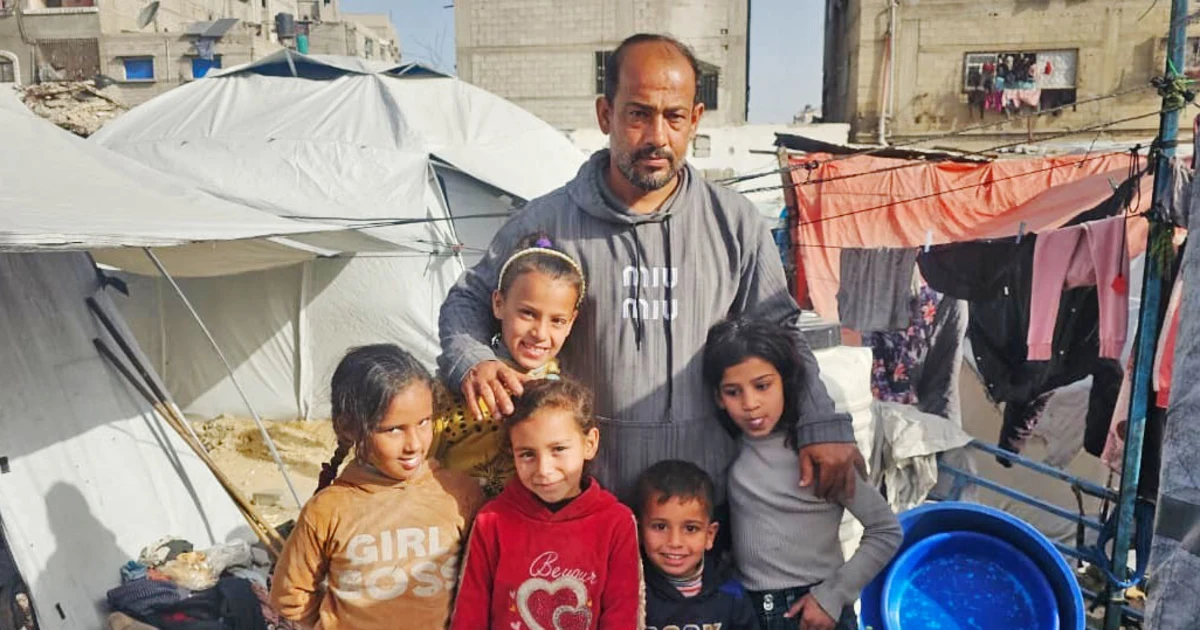
Within days, both countries exchanged artillery fire, claiming defensive action against provocation. Reports of air strikes, cross-border shelling, and troop movements created a dangerous escalation, forcing tens of thousands of civilians to flee border villages.
The collapse of the Trump-brokered truce has exposed the underlying weakness of the original agreement. While it temporarily halted fighting earlier in the year, it never resolved the core issue: neither side accepted a definitive demarcation of the border. Without a mutually recognized boundary — and with political pressure inside both countries demanding toughness rather than compromise — the ceasefire was always vulnerable to collapse.
Analysts say the renewed violence underscores the need for a more robust, internationally monitored process capable of addressing the border dispute at its legal and historical roots. Until then, any pause in fighting is likely to be temporary, and the potential for another flare-up remains high.








Leave a Reply