

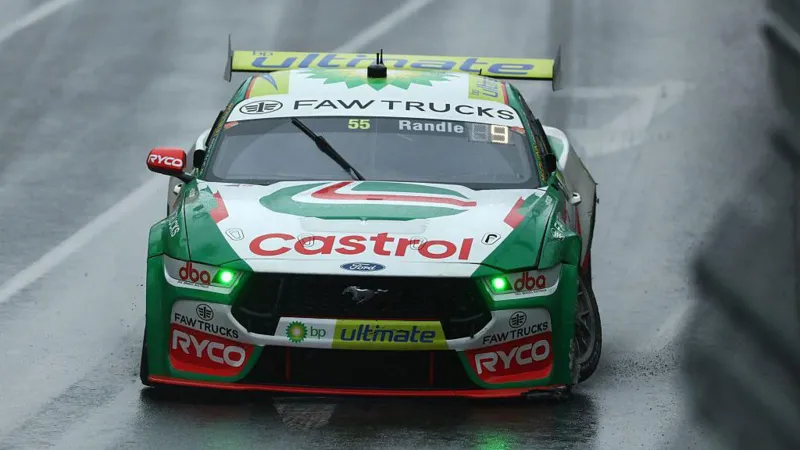
BP has agreed to sell a significant stake in its motor oil and lubricants business Castrol for approximately $6 billion, marking one of the company’s largest asset transactions in recent years and signaling a renewed push to streamline operations and refocus capital priorities.
The deal involves BP reducing its ownership in Castrol, a globally recognized brand with operations spanning automotive, industrial, and marine lubricants. While BP will retain a minority interest, the sale brings in substantial cash at a time when the energy giant is under pressure from investors to improve returns and sharpen its strategic direction.
Strategic Rebalancing Underway
Executives described the transaction as part of a broader effort to simplify BP’s portfolio and unlock value from mature, cash-generating businesses. Castrol has long been a dependable performer, but BP leadership believes partial divestment allows the company to redeploy capital into areas with stronger growth prospects.
“This move gives us flexibility,” a person familiar with the company’s strategy said, noting that the proceeds could be used to strengthen the balance sheet, fund shareholder distributions, or support investments in low-carbon and transition-related projects.
Castrol’s Global Footprint
Founded more than a century ago, Castrol is one of the world’s best-known lubricant brands, supplying engine oils and industrial fluids in more than 150 countries. The business has benefited from steady demand across automotive markets, including passenger vehicles, commercial fleets, and motorsports partnerships.
Despite long-term concerns about declining oil demand as electric vehicles gain traction, lubricants remain essential for internal combustion engines and industrial machinery, making Castrol an attractive asset for investors seeking stable cash flows.
Investor Pressure and Market Reaction
BP has faced mounting calls from shareholders to improve efficiency and focus on higher-margin businesses. Some investors have argued that BP’s sprawling structure diluted returns compared with more focused rivals.
Analysts say the $6 billion valuation reflects Castrol’s strong brand equity and resilient earnings, even as the broader energy sector navigates volatile commodity prices and a complex transition toward cleaner energy.
What Comes Next for BP
The sale is expected to close after regulatory approvals, with BP maintaining a strategic relationship with Castrol following the transaction. Details about the buyer and future governance of the lubricants business have not been fully disclosed.
For BP, the deal underscores a pragmatic approach: monetizing established assets while maintaining exposure to dependable businesses. As the company balances traditional energy operations with evolving transition goals, the Castrol sale represents a significant step in reshaping its future.













Leave a Reply