

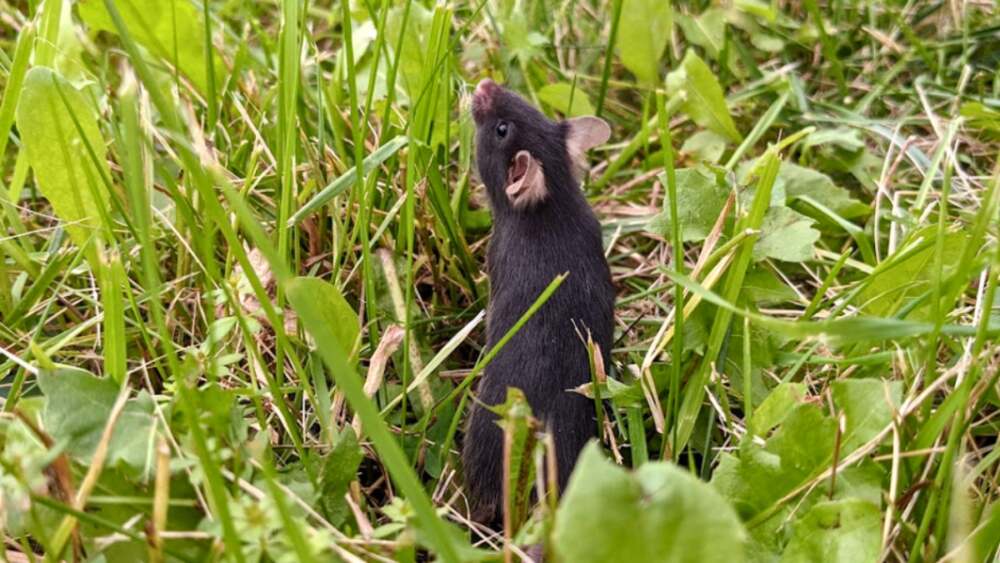
In a groundbreaking experiment that could reshape our understanding of animal behavior and adaptation, scientists have observed remarkable outcomes after releasing previously caged mice into natural environments. The study, conducted by a team of ecologists and behavioral biologists, provides fresh insights into how animals adapt to the wild, the resilience of innate survival instincts, and the interplay between genetics and environment.
The Experiment
Researchers began with a population of laboratory mice that had been raised in controlled, indoor environments for multiple generations. These mice had limited exposure to predators, natural food sources, and environmental challenges, which typically affect survival skills and stress responses.
The objective of the study was to determine how quickly animals accustomed to captivity could reacquire or adapt critical survival behaviors when reintroduced to a complex, natural habitat. The mice were carefully released into a protected outdoor environment designed to replicate the conditions of the wild while ensuring ethical oversight and monitoring.
Initial Challenges
Predictably, the caged mice faced significant challenges at first. Unlike their wild counterparts, they initially struggled with finding natural food sources, avoiding potential predators, and navigating unfamiliar terrain. Scientists observed cautious exploration behaviors, with the mice often sticking to familiar objects or areas while gradually venturing farther over time.
However, what surprised the researchers was the speed and efficiency with which many of the mice adapted. Within days, some individuals began successfully foraging for seeds, plants, and insects, displaying problem-solving skills that had not been directly trained in the laboratory. Social behaviors also emerged, with groups forming cooperative networks to enhance survival, sharing burrows, and coordinating movements in ways reminiscent of wild mouse populations.
Behavioral Insights
The experiment revealed several key behavioral insights:
- Rapid Learning: Despite generations in captivity, the mice retained an impressive capacity for learning, demonstrating that certain survival instincts are deeply embedded and can reemerge under environmental pressure.
- Social Adaptation: The reintroduced mice quickly developed social hierarchies and cooperative behaviors, suggesting that social instincts remain intact even after long periods of domestication.
- Stress Resilience: While initially stressed by the unfamiliar environment, the mice adapted physiologically, showing lower cortisol levels after several days, indicating a remarkable resilience to environmental change.
Implications for Conservation
This research has significant implications for conservation and species reintroduction programs. Many endangered species are bred in captivity with the goal of eventual release into the wild. Understanding how animals reacquire survival skills, adapt socially, and manage stress can improve reintroduction strategies, reduce mortality rates, and increase the likelihood of successful population recovery.
Additionally, the study challenges assumptions about the limitations of captive-bred animals. It suggests that with proper environmental exposure and careful monitoring, even species with extended periods in captivity can retain or relearn critical survival behaviors, expanding possibilities for conservation interventions.
Future Research
The scientists involved plan to continue monitoring the mice over longer periods, investigating reproductive success, long-term survival, and intergenerational transmission of adaptive behaviors. They hope to apply these findings to larger species and more complex ecosystems, exploring how domestication affects wildlife resilience and how humans can better support species restoration.
Conclusion
The release of caged mice into the wild has provided a fascinating glimpse into the resilience and adaptability of animals. By observing their rapid adaptation and rediscovery of survival instincts, researchers have not only deepened scientific understanding of animal behavior but also opened new doors for conservation efforts worldwide. The experiment underscores a powerful lesson: even creatures long removed from nature can reconnect with it, revealing the enduring strength of instinct, learning, and survival.















Leave a Reply