

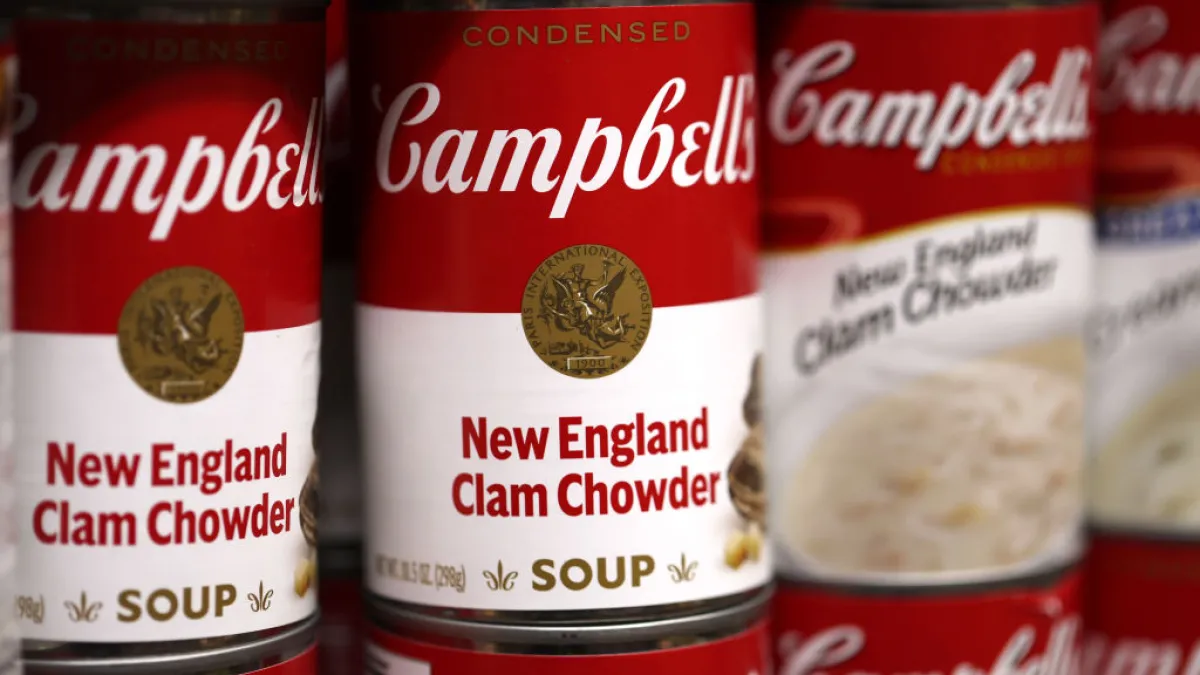
In a shocking development that has drawn attention across the corporate world, Campbell’s Soup Company has terminated Martin Bally, its Vice President of Information Technology, after an audio recording surfaced containing offensive, disparaging, and racist remarks. The recording, reportedly made by a former employee during a routine salary discussion, has also sparked a legal battle as the whistleblower claims retaliation and a hostile work environment.
The Controversial Recording
The audio in question was allegedly captured during a private meeting in November 2024. In the recording, Bally is heard criticizing the company’s own products, referring to Campbell’s soups as “highly processed food” intended for “poor people,” while admitting that he seldom consumes them himself. Such remarks not only disparage the brand but also directly insult the very consumers the company relies on.
More seriously, the recording contains alleged racist comments targeting Indian colleagues, with Bally reportedly calling them “idiots” and suggesting they “don’t know a thing.” In addition, the recording includes statements about his use of marijuana edibles while at work, raising further concerns about professional conduct and workplace safety.
The employee who recorded the meeting claims that he reported these remarks to management in early 2025, only to be terminated weeks later. This alleged retaliation forms the core of a lawsuit that names both Bally and the company, citing wrongful termination and a hostile work environment.
Corporate Response
Campbell’s responded swiftly after becoming aware of the audio in November 2025. The company confirmed that Bally’s voice matches the recording and announced that he was no longer employed. A company spokesperson stated that Bally’s comments were “vulgar, offensive, and false,” and apologized for any harm caused. The spokesperson emphasized that such behavior does not reflect the company’s values or culture, underscoring the organization’s commitment to maintaining an inclusive and respectful workplace.
The company also defended the integrity of its products, firmly rejecting claims that any soups contain “bioengineered meat” or other artificial ingredients. Campbell’s reiterated that its products are made with real, high-quality ingredients sourced through approved suppliers.
Legal and Workplace Implications
The case raises significant questions about corporate culture and accountability. It underscores the risk to employees who come forward as whistleblowers, highlighting the need for robust protections against retaliation. The lawsuit also puts the spotlight on executive behavior, particularly the consequences of private comments that become public, and the ripple effects they can have on a company’s reputation.
For Campbell’s, a company long associated with household trust and quality, this incident presents both reputational and operational challenges. While the dismissal of Bally represents a decisive step, it does not erase the impact of the remarks or the legal proceedings that are now underway.
Broader Corporate Culture Concerns
Experts say this incident reflects a larger issue faced by corporations: ensuring accountability at the highest levels while protecting employees who speak out against misconduct. Companies must strike a balance between internal oversight, employee protections, and maintaining public trust. The Bally case may prompt broader industry reflection on how executive conduct, both in private and public settings, influences corporate culture and consumer perception.
Next Steps
The lawsuit filed by the former employee is ongoing, seeking compensation for wrongful termination, emotional distress, and the hostile environment created by Bally’s actions. Meanwhile, Campbell’s is expected to undertake internal reviews to strengthen reporting channels, enhance diversity and inclusion programs, and reinforce leadership training.
Analysts suggest that this case could serve as a cautionary tale for other companies. Executives’ private statements, when exposed, can have profound implications for brand reputation, employee morale, and investor confidence. As the legal proceedings unfold, Campbell’s faces the challenge of restoring trust internally and externally while ensuring that similar incidents are prevented in the future.
Conclusion
The firing of Martin Bally signals Campbell’s commitment to accountability and ethical workplace behavior. However, the case also highlights the ongoing challenges corporations face in addressing misconduct at senior levels and protecting employees who raise legitimate concerns. As public scrutiny continues, Campbell’s must navigate the complex terrain of legal, reputational, and cultural implications, reinforcing the need for transparency, respect, and responsibility in all aspects of corporate life.















Leave a Reply