

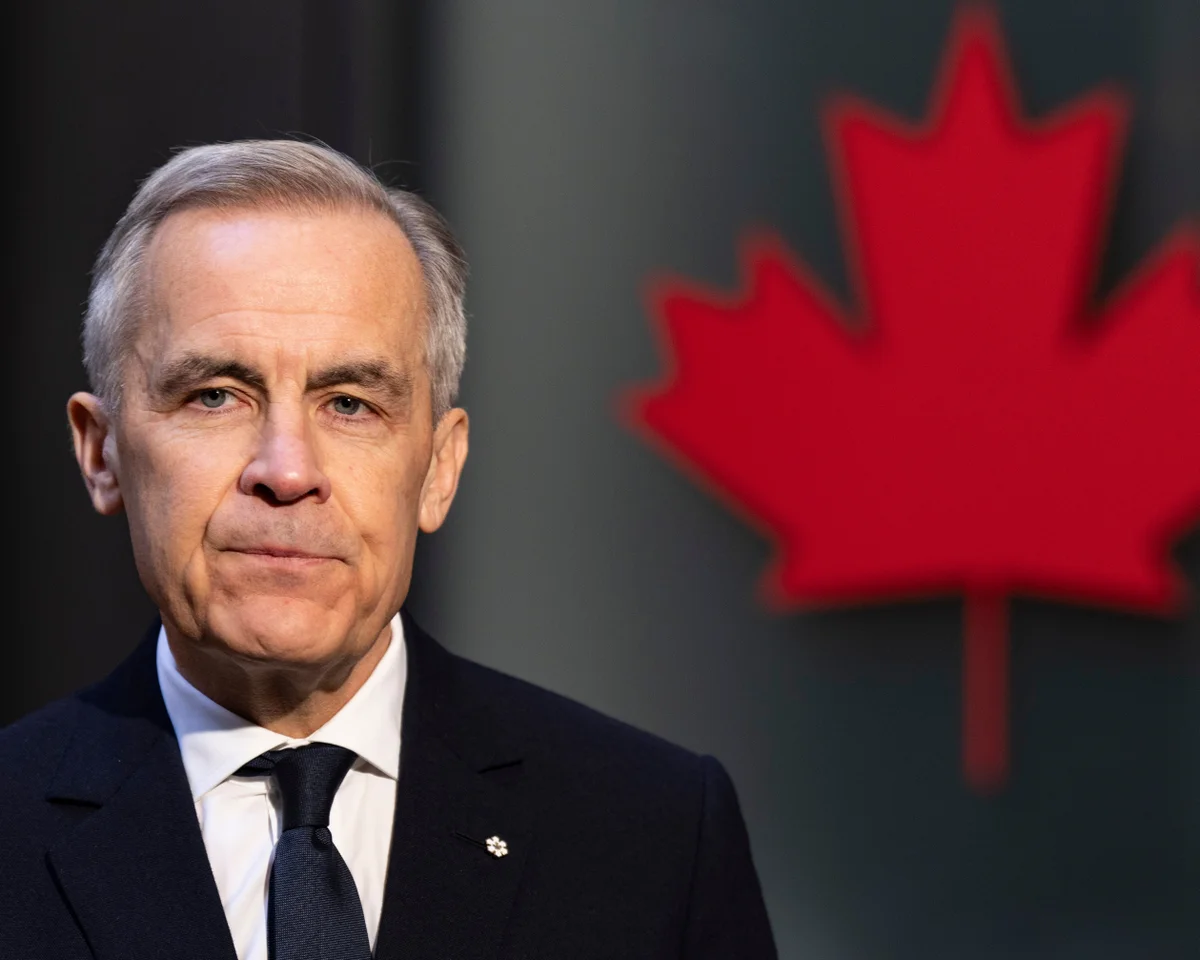
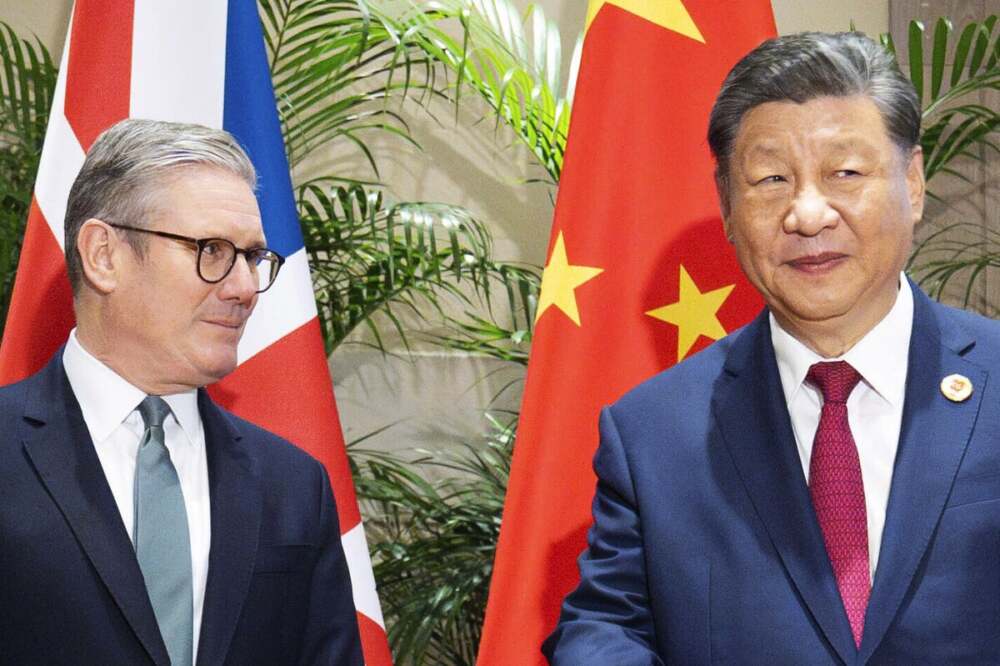
In a pivotal shift in Canadian foreign and economic policy, Prime Minister Mark Carney has embarked on a critical diplomatic mission to Beijing, underscoring Canada’s efforts to broaden its global trade horizons amid intensifying pressure from longstanding ally and neighbour, the United States. The trip marks one of the most significant Canadian engagements with China in recent years, reflecting Ottawa’s pursuit of economic diversification at a time when U.S. trade policy has challenged traditional trade patterns.
For decades, Canada’s economic identity has been closely tied to the United States, with cross-border commerce comprising the bulk of Canadian exports and imports. However, recent policies emanating from Washington under an assertive nationalist agenda have prompted Ottawa to reconsider this heavy dependence. U.S. tariffs and protectionist measures affecting key Canadian industries, including steel, aluminum, and automotive products, have strained bilateral economic relations and exposed vulnerabilities in Canada’s trade structure.
Carney’s mission to Beijing aims to forge stronger ties with one of the world’s largest and fastest-growing markets. During his visit, Canadian officials are expected to engage in high-level discussions with Chinese leaders on expanding bilateral cooperation in sectors such as energy, technology, agriculture, and critical minerals — sectors where Canada holds competitive advantages and where China has substantial demand.
A central goal of the visit is to significantly boost Canada’s non-U.S. exports over the coming decade, thereby reducing the country’s exposure to policy shifts emanating from Washington. By strengthening trade relations with China, Ottawa hopes to create new pathways for economic growth that can insulate its economy from the unpredictability of U.S. trade policy.
Despite the economic incentives of deeper engagement with China, Ottawa is navigating a complex diplomatic landscape. Canada’s relationship with Beijing has faced tensions over human rights issues, concerns about political interference, and past incidents that tested trust between the two nations. Canadian officials must therefore balance the pursuit of economic opportunity with principled stances on governance and international norms.
China, for its part, appears receptive to expanding economic collaboration with Canada. Chinese officials see Canada as a valuable partner, not only because of its natural resources but also due to its sophisticated industrial base and its potential role in broader regional supply chains. Beijing’s encouragement of Canadian autonomy in trade decision-making signals a strategic interest in diversifying its own network of economic partners amid global power competition.
While Carney’s Beijing visit carries significant symbolic weight, it is also a pragmatic response to the changing global economic order. As U.S. trade policies have grown more unpredictable, Canadian policymakers have increasingly spoken about “de-risking” — reducing overreliance on a single export market while maintaining strong ties with the United States. This approach reflects a nuanced strategy: preserving the benefits of deep North American integration while expanding economic resilience through diversified partnerships.
Domestic reactions to the shift have been mixed. Some Canadian business leaders and economists applaud the government’s initiative to open new markets and reduce geopolitical risk. They argue that a broader trade portfolio will enhance national competitiveness and provide Canadian firms with greater opportunities abroad. Others caution that moving too close to China could raise strategic concerns, particularly regarding national security and alignment with democratic allies.
Carney’s diplomatic engagement in Asia extends beyond China, with planned stops in Qatar and participation in global economic forums, where Canada will further articulate its vision for trade diversification and sustainable economic growth. These efforts underscore Ottawa’s commitment to shaping a proactive international economic strategy rooted in both opportunity and stability.
In the shadow of shifting global alliances and economic uncertainties, Canada’s outreach to Beijing represents more than a trade negotiation — it signals a strategic realignment that could redefine the country’s role in global commerce. By recalibrating its trade focus, Ottawa hopes not only to fortify its economic foundation but also to demonstrate leadership in an increasingly multipolar world.












Leave a Reply