

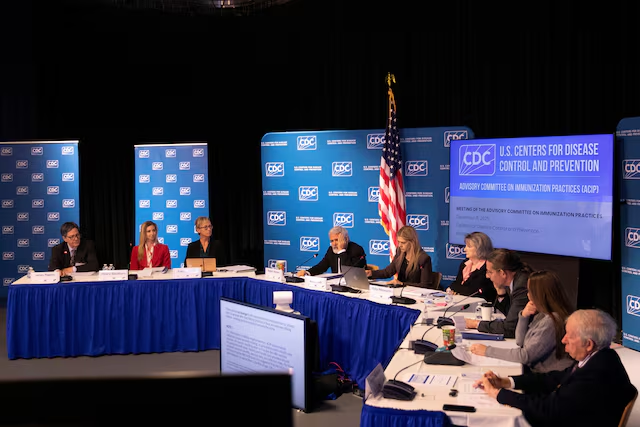
The U.S. Centers for Disease Control and Prevention (CDC) has announced a significant change in its vaccination guidance, ending the longstanding recommendation that all newborns receive the hepatitis B vaccine shortly after birth. This policy shift reflects evolving public health priorities, updated risk assessments, and growing discussions about personalized vaccination strategies.
What the New Guidance Means
For decades, the CDC advised that every infant in the United States receive the hepatitis B vaccine within 24 hours of birth. The move aimed to protect newborns from potential exposure to the virus, which can cause chronic liver disease, cirrhosis, and liver cancer later in life.
Under the new guidance, the vaccine will now be targeted to infants considered at higher risk, such as those born to mothers with hepatitis B infection or those in communities with elevated transmission rates. Healthy newborns with low risk factors may receive the vaccine later in childhood, based on pediatrician recommendations and state-specific protocols.
Reasons Behind the Policy Change
CDC officials cite several factors influencing the shift:
- Declining prevalence of hepatitis B in the U.S., particularly among pregnant women
- Improved prenatal screening and maternal vaccination, reducing the likelihood of newborn exposure
- Evolving evidence on vaccine timing and effectiveness, suggesting delayed administration is safe for low-risk infants
Dr. Karen Liu, a CDC immunization expert, explained: “This change allows healthcare providers to focus resources on infants at highest risk, while maintaining safety and efficacy for all children.”
Reactions from the Medical Community
The policy update has sparked discussion among pediatricians and public health experts. Supporters argue it aligns vaccine administration with individual risk, potentially reducing unnecessary early interventions. Critics caution that changing long-standing recommendations may confuse parents and complicate public messaging, emphasizing the need for clear communication from healthcare providers.
Parent advocacy groups are also weighing in, calling for educational campaigns to ensure families understand when and why the vaccine is recommended, as well as the importance of completing the full hepatitis B vaccination series later in life if applicable.
Implications for Public Health
The CDC emphasizes that this policy change does not reduce the overall importance of hepatitis B vaccination. Instead, it reflects a tailored approach designed to maintain protection while adapting to shifts in epidemiology and medical practice.
Healthcare providers are being urged to review maternal hepatitis B screening results, discuss risks with parents, and follow updated guidelines to determine the best vaccination timeline for each infant.
Looking Ahead
As the new guidance is implemented nationwide, public health officials will monitor vaccination coverage, infection rates, and outcomes to ensure that targeted administration does not compromise protection. The CDC also plans to provide updated educational materials for hospitals, pediatricians, and families to facilitate a smooth transition.
















Leave a Reply