

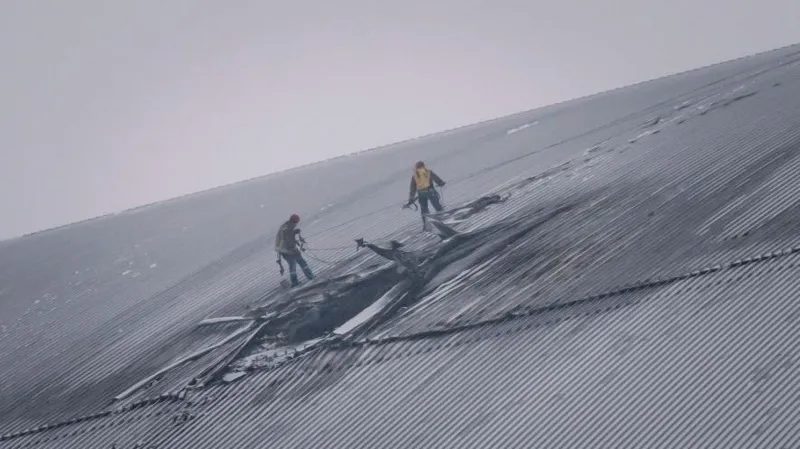
A protective radiation shield at the Chernobyl nuclear site has “lost its safety function” following a drone strike, according to a stark assessment released by the United Nations’ nuclear watchdog. The incident has reignited global fears over the vulnerability of nuclear facilities amid ongoing military tensions in the region.
The International Atomic Energy Agency (IAEA) confirmed that a drone impacted infrastructure surrounding the site’s confinement system—a massive steel structure installed in 2016 to contain radioactive materials still lingering from the catastrophic 1986 reactor explosion. While the strike did not damage the reactor itself, officials say it compromised parts of the external shielding designed to prevent dust, debris, and residual radioactive particles from escaping.
IAEA inspectors described the situation as “deeply concerning,” noting that even limited degradation of the shield could increase risks of contamination if not repaired swiftly. The watchdog emphasized that the damaged components are essential for long-term stability and environmental protection.
Local authorities reported no immediate spike in radiation levels. However, experts caution that the full impact will depend on how quickly structural assessments and emergency repairs can be carried out. The incident also highlights the growing danger of drone warfare near sensitive nuclear sites—facilities never designed to withstand modern aerial attacks.
The Ukrainian government accused Russian forces of targeting the area, calling the strike a “reckless assault on global nuclear safety.” Russia has denied responsibility, claiming Ukraine is attempting to manipulate international opinion. The dispute underscores the escalating information war surrounding nuclear infrastructure in the region.
International leaders have urged restraint, warning that continued attacks near Chernobyl or other nuclear plants could lead to catastrophic consequences. Nuclear scientists have also called for new global protections, arguing that outdated treaties do not adequately address the realities of modern conflict.
The IAEA has requested increased access and additional monitoring equipment to track the site’s stability. Meanwhile, emergency response teams on the ground are working to prevent any further compromise of the protective structure.
As tensions surge, the drone strike serves as a stark reminder that even decades after the original disaster, Chernobyl remains a high-risk site—one where a single attack can trigger worldwide alarm.












Leave a Reply