

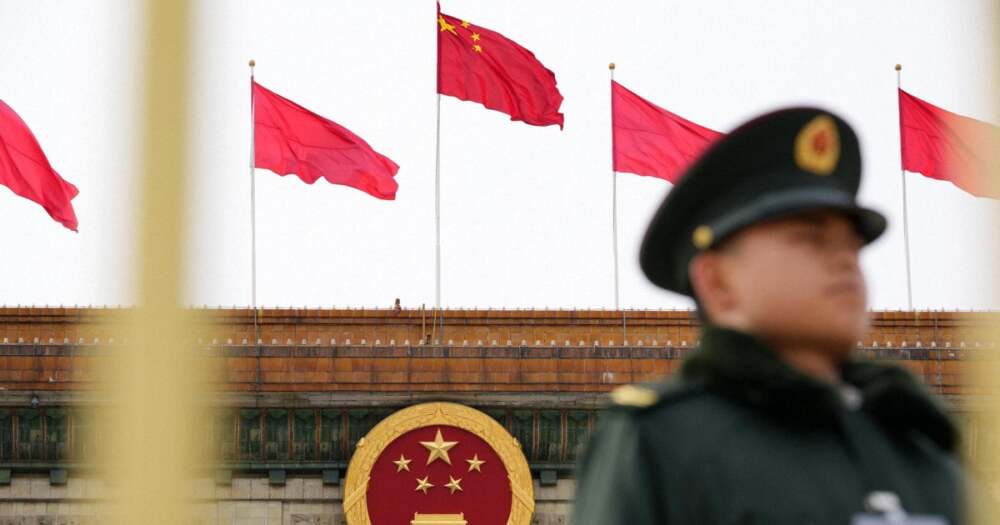
China has announced expanded export controls targeting Japan, escalating an ongoing diplomatic dispute tied to regional security and recent Japanese statements regarding Taiwan. The new measures focus on dual‑use goods — items that can serve both civilian and military purposes — and reflect heightened sensitivities in one of East Asia’s most critical bilateral relationships.
The Chinese Ministry of Commerce stated that it will restrict exports of dual‑use items to Japan for military purposes and limit shipments that could enhance Japan’s defense capabilities. The measures cover advanced technologies, specialized electronics, and materials that can be repurposed for defense applications. Chinese officials described the move as a national security measure designed to safeguard regional stability.
Understanding Dual‑Use Controls
Dual-use goods are products and technologies that have legitimate commercial applications but can also be adapted for military or strategic use. Under the new rules, exports to Japanese entities that might use these items for defense purposes are now prohibited. While civilian trade can continue under certain conditions, the broad scope of the restrictions has raised concerns in Tokyo about potential economic fallout.
Economic and Strategic Implications
Industries heavily reliant on Chinese supplies, particularly electronics, automotive manufacturing, and renewable energy sectors, could face disruptions. China dominates global production of rare earth elements and other high-tech components critical to these industries. Analysts warn that prolonged export curbs may increase production costs and slow industrial growth if alternative sources cannot be secured.
Japanese officials have lodged formal diplomatic protests, condemning the controls as unjustified economic coercion that threatens established trade norms. Companies in Japan are already exploring strategies to diversify their supply chains and reduce dependence on Chinese materials.
Political Backdrop and Regional Tensions
The new controls are closely linked to broader geopolitical tensions over Taiwan. Japan’s recent statements about regional security and willingness to respond to potential crises in the Taiwan Strait drew sharp rebukes from China, which regards Taiwan as a core sovereignty issue. The export restrictions are widely seen as Beijing’s economic response to these political developments.
Global Supply Chain Impact
Beyond Japan, the export controls have raised concerns in global markets, particularly for industries dependent on critical minerals and high-tech components. Sustained restrictions could lead to supply shortages, price volatility, and disruptions in sectors ranging from consumer electronics to renewable energy and defense manufacturing.
Looking Ahead
Diplomatic efforts are expected to continue as Beijing and Tokyo navigate the tension while attempting to mitigate economic disruption. Japan is likely to accelerate efforts to diversify suppliers and strengthen partnerships with alternative trade partners. The situation highlights the growing intersection of trade policy, national security, and geopolitics, and underscores how economic tools are increasingly being used in international disputes.

















Leave a Reply