

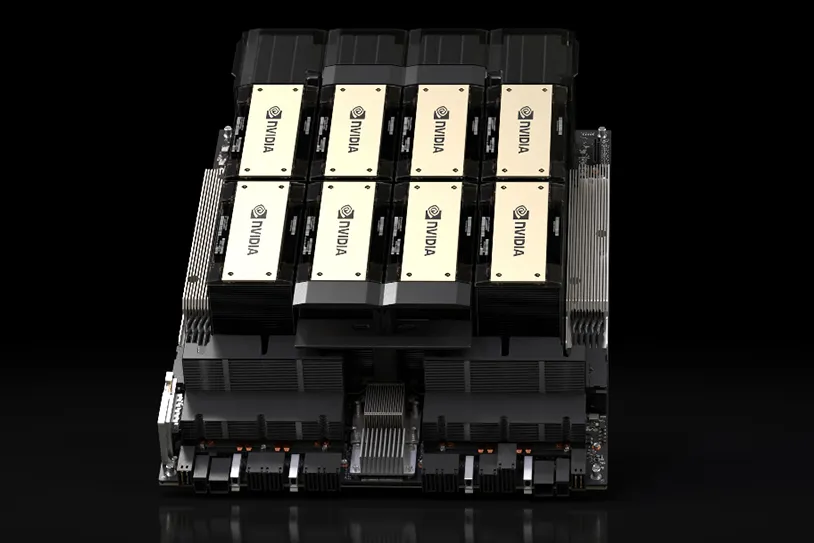
China is reportedly declining shipments of Nvidia’s latest H200 AI chips, a move analysts say reflects Beijing’s growing determination to chart an independent path in high-performance computing while sidestepping U.S. export controls. The decision highlights the limits of American influence over global technology flows and underscores China’s ambition to develop domestic alternatives.
The H200, Nvidia’s newest generation of AI-optimized processors, was intended to bolster China’s rapidly expanding AI sector. However, Chinese firms have apparently resisted purchasing the chips, citing supply chain security concerns, cost considerations, and an eagerness to rely on homegrown semiconductor solutions. This shift complicates U.S. efforts to control the global AI hardware market through selective exports.
Experts note that China has been aggressively investing in its domestic semiconductor ecosystem, from chip design to fabrication. By prioritizing local development, Chinese companies can reduce exposure to foreign policy risks and technological restrictions, a strategy that increasingly frustrates U.S. policymakers aiming to maintain a competitive edge in AI infrastructure.
The rejection also sends a message about the geopolitical dimensions of the semiconductor industry. Chips like the H200 are not just commercial products—they are strategic assets. By turning to domestic alternatives, China signals that it is willing to bear short-term costs to achieve long-term technological self-reliance.
For Nvidia, the development could limit revenue growth from one of the world’s largest AI markets. It also highlights the broader risks facing U.S. tech companies operating in China, where regulatory and strategic considerations can override commercial logic.
While the global AI race continues to accelerate, the episode underscores a growing bifurcation in the industry: one track driven by U.S. and allied firms, and another increasingly led by China’s own industrial and technological ambitions. As the two paths diverge, multinational chipmakers will have to navigate a more complex and politically charged landscape.















Leave a Reply